Portuguese
  Spanish


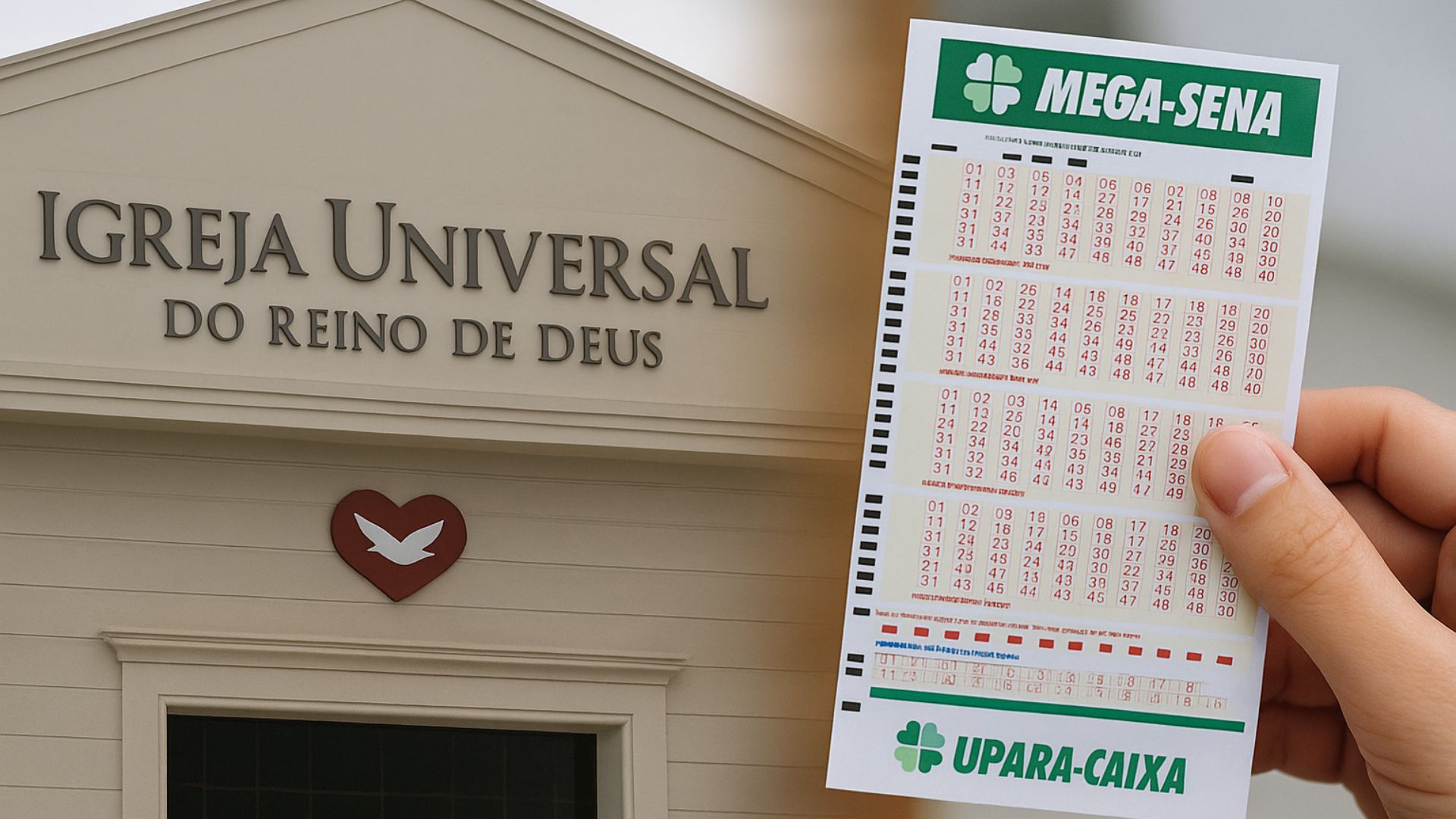


STJ Decision Validating Cash Donation Rekindles Debate on Limits Between Faith, Religious Contributions, and Legal Protection of Believers.
The Superior Court of Justice (STJ) decided that the Universal Church of the Kingdom of God is not required to return the R$ 101 thousand donated by a believer who had won the lottery.
The Third Panel of the Court, by a majority of 4 votes to 1, considered the cash delivery valid, made without a public deed or private instrument, and overturned decisions from the 1st instance and the Court of Justice of the Federal District (TJDFT), which had declared the donation null and ordered the return of the money.
Donation After Lottery Prize and Start of Legal Dispute
The housewife, a resident of the Federal District, began attending the Universal Church in 2006, alongside her then-husband.
-
Facing Labor Shortage, Japan Plans to Invest $34 Million to Attract Foreign Workers in Construction, Healthcare, Industry, and Commerce

-
Brazilian City Makes Remarkable Leap, Becomes 4th Wealthiest in the Country with GDP of R$ 134.1 Billion

-
Controversial 6-day Workweek Elimination in Brazil Faces Economic Criticism Over Productivity Claims
-
Itaú to Refund Customers After 14 Years of Unauthorized Credit Card Charges; Agreement Includes No Interest or Adjustments, Deadline by 2028, with Potential Impact of Up to $6.5 Billion





According to the legal proceedings, she claimed to have been attracted by sermons that associated financial contributions with obtaining “financial, professional, and family success” and blessings in other areas of life.
Over the years, she began participating in campaigns and delivering increasingly larger amounts.
After the couple won a prize exceeding R$ 1.8 million in the Loto Fácil lottery, a significant portion of the amount was transferred to the church under different headings.
Tithes, specific donations, and other smaller contributions were made.

At one point, now separated, the believer also donated a HB20 car and later the R$ 101 thousand that became the central object of the dispute.
This last amount was delivered without any written instrument, which led the discussion to the field of formalities required by the Civil Code.
Years after the donation, the woman went to court claiming to be regretful and requesting the return of the amount.
She alleged that the funds were delivered following promises of spiritual, professional, and material prosperity that had not materialized.
According to the plaintiff, the decision to donate occurred in an environment of intense religious and emotional influence, without full understanding of the financial consequences of the gesture.
TJDFT Decisions and Understanding of Lower Instances
At first instance, the 1st Civil Court of Samambaia (DF) recognized the nullity only of the cash donation of R$ 101 thousand, understanding that it was a high-value donation subject to the formalization provided for in the Civil Code.
The judge ordered the Universal to return the amount, with correction and interest, but maintained other previously made transfers.
The TJDFT confirmed the ruling, emphasizing that religious freedom does not exempt the observance of civil norms and that absolute nullities do not validate with time.
Arguments of the Universal Church in the STJ
In the special appeal presented to the STJ, the Universal Church argued that the amount of R$ 101 thousand could not be treated as a typical civil donation, but as a religious contribution inserted within the scope of freedom of worship.
The defense argued that the amount was given by the believer’s “free will” and that it was an “act of conscience or faith” that should not be subjected to the formalities of a civil legal transaction.
According to the church, requiring a deed or document for this type of gift would mean undue State interference in religious matters.
Dissenting Vote and Divergence in the Panel

The rapporteur of the case in the Third Panel, Minister Ricardo Villas Bôas Cueva, was in the minority.
In his vote, he advocated maintaining the TJDFT’s position by stating that high-value donations are solemn legal transactions that require a private instrument or public deed.
For the rapporteur, the lack of written formalization would compromise legal security, both for believers and for religious institutions, and could not be overcome simply because the delivery occurred in a worship context.
Majority of STJ Validates Donation Without Deed
The divergence was opened by Minister Moura Ribeiro, whose understanding was followed by Ministers Nancy Andrighi and Daniela Teixeira, in addition to Minister Humberto Martins.
He emphasized that not all liberality made in a religious environment automatically fits the legal concept of donation provided for in the Civil Code.
In the prevailing view, contributions motivated by faith, such as tithes and offerings, have their own nature and are not subject to the same formalities required for typical civil donations.
With this understanding, the Third Panel dismissed the requirement for a written instrument and rejected the request for the return of the R$ 101 thousand.
The result restored the victory of the Universal Church and overturned two previous decisions favorable to the believer.
Decision Rekindles Debate on Faith, Money, and Protection of Believers
The judgment rekindles the discussion on the limits between religious freedom and the need to protect believers in contexts associated with the so-called theology of prosperity, which links donations to the expectation of material and spiritual improvement.
Although the STJ did not analyze the content of the sermons, the case was driven by the housewife’s claim that promises of financial and family transformation had not materialized.
The Third Panel’s decision is likely to influence other disputes involving large contributions to religious entities, especially in situations where allegations of emotional vulnerability or spiritual pressure exist.
In a scenario where contributions are often accompanied by expectations of change, to what extent can decisions like this shape the relationship between believers and religious institutions?