






 Portuguese
  Spanish
  6 min of reading
  1 comment


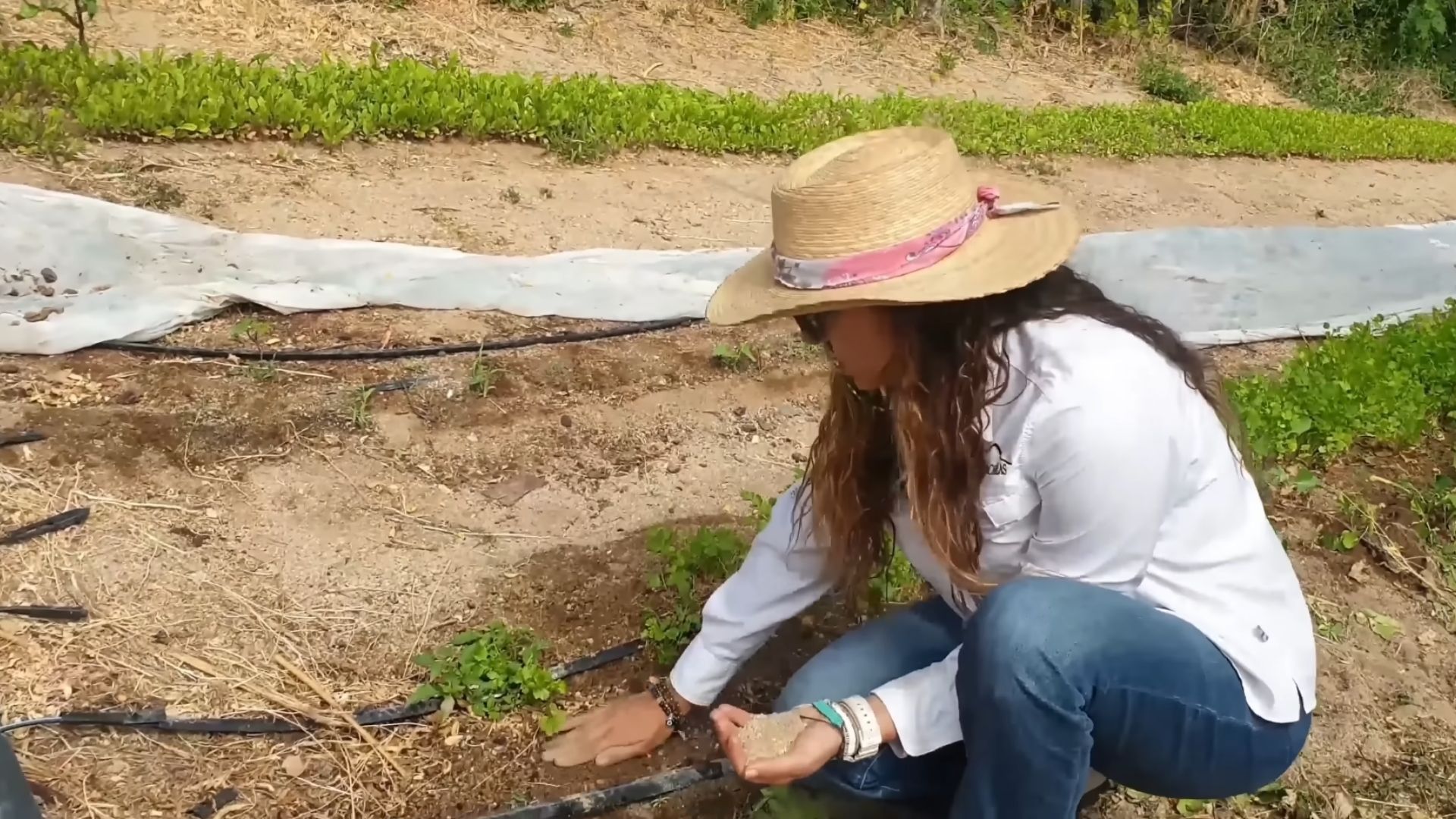


Agricultural Experiment in the Sonoran Desert Combines Native Microorganisms, Composting, and Regenerative Management to Turn Sand into Productive Soil, Increase Yields, Reduce Water Dependence, and Raise Discussions on Food Security, Intensive Irrigation, and the Limits of Regeneration in Arid Areas.
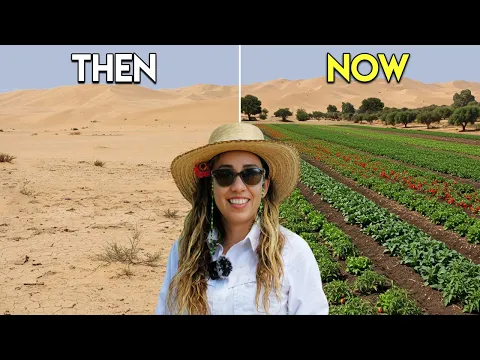
A farm located in a remote area of the Sonoran Desert in the southwestern United States claims to have converted arid sand into dark, fluffy, and productive soil by combining composting, the multiplication of native microorganisms, and management techniques to reduce evaporation.
Leading the regenerative practices, Esmeralda Ramirez asserts that the method has increased crop yields year after year and enhanced the land’s capacity to retain moisture even under intense heat.
The experiment gains relevance as it takes place in one of the driest regions of North America and is based on a reality already known from the local agricultural belt.
-
The oceans received a historic investment of $6.4 billion for conservation, blue economy, and sustainable fishing, but the question is whether the promise will actually turn into protected seas.

-
10-year-old boy from Bahia finds a different way to multiply, reorganizes partial sums in base 10, and transforms a common school calculation into an example of mathematical creativity that went beyond the test, was reviewed by teachers, and turned into a technical article.

-
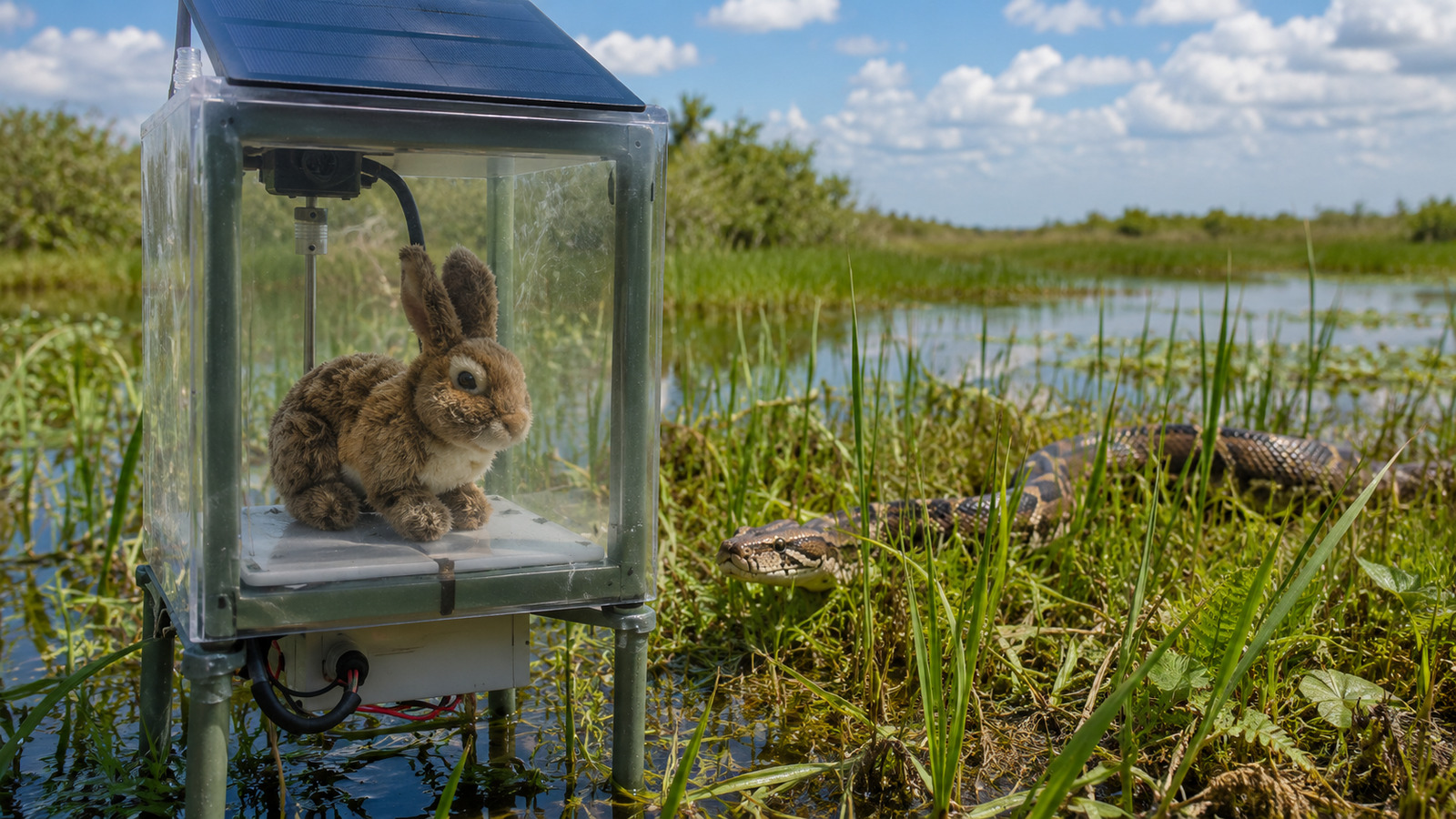
Florida begins sending robotic rabbits to the Everglades swamps, where they mimic prey, use cameras, AI, and sensors to attract and locate invasive pythons hidden in the mud and vegetation.

-
Engineers in Brazil deploy a robot dog to enter pipelines of a R$ 134.7 million project, facing mud, sand, humidity, and toxic gases, and send data in real-time without exposing workers.



A large portion of the vegetables consumed in winter in the United States comes from irrigated desert valleys surrounding Yuma, Arizona, and the Imperial Valley in California.
Industry estimates indicate that the Yuma region accounts for about 90% of salad vegetable supply during the winter months, when production migrates from other areas of the country.
Desert Agriculture and Dependence on Irrigation
The contrast described by those who visit the area is stark. Expanses that can go long periods without rain coexist with intensive crops supported by constant irrigation.
In the case of the Imperial Valley, water primarily arrives through a large system of canals connected to the Colorado River.

The All-American Canal, spanning approximately 82 miles, carries water diverted at the Imperial Diversion Dam and feeds a network of branches that supplies cities and agricultural areas along the California-Arizona border.
Local institutions describe the canal as the main water source for the Imperial Valley, with an annual supply capable of sustaining approximately 500,000 acres of irrigated agricultural land.
Health Alerts and Risks of the Intensive Model
It is in this context that the health alert mentioned in the original text regarding romaine lettuce produced in the southwestern U.S. arises.
In 2018, the CDC expanded recommendations to consumers during an outbreak of E. coli associated with romaine lettuce.
In the update released in April of that year, the agency reported 53 cases across 16 states, with 31 hospitalizations, and advised discarding the product when the source could not be confirmed.
The desert plains, once seen only as a food source, began to be associated with public health risks as well.
Soil Regeneration as an Alternative in Sonora
The proposal presented by the farm stems from a critique of this intensive model.
According to the report, the transformation of the soil did not happen rapidly, but over approximately eight years of continuous management.
The work involved tilling the desert sand and incorporating organic matter to rebuild lost fertility.
Leading the process is Esmeralda Ramirez, described as the regenerative agriculture manager at the “kakach chilas” ranch.
“My name is Esmeralda Ramirez,” she introduces herself.
She then summarizes the central goal of the project: to increase production, improve soil health, and enhance water retention.
Agroforests and Adaptation to Extreme Heat

The design of the farm includes an agroforestry system with rows of trees between the cultivation areas.
These trees serve multiple functions.
They provide shade, reduce thermal stress on plants, act as windbreaks, and help maintain soil moisture.
In more sensitive crops, such as tomatoes and lettuce, production occurs inside greenhouses.
The justification is to reduce losses caused by birds attracted to what the text describes as a “green oasis” in the middle of the desert.
Seed Production and Assisted Natural Selection
Another pillar of the project is a farm dedicated to seed production.
The space gathers flowers, herbs, and areas designed to attract pollinators, insects, and birds.
There, according to the report, about 80% of the seeds used in the main farm are produced.
The selection occurs harvest after harvest.
Seeds from plants that showed the best performance in flavor, shape, color, and resistance to extreme weather are preserved.
The logic is to allow each new generation to be better adapted to heat, low water availability, and local pests.
Native Microorganisms and Advanced Composting

The technical core of the method lies in the multiplication of native soil microorganisms.
The farm reports collecting samples from fertile soils in nearby mountainous areas with ancient oak forests.
These soils would be rich in microorganisms adapted to the regional climate.
The samples are mixed into the compost produced from the manure of the farm’s own animals.
To speed up the process, sugar and carbohydrates are added.
“What we want to see here is the container with a lot of fungi,” Esmeralda states.
She points out the whitish coloration as a sign of healthy fungal activity.
Probiotic Irrigation and Field Application
After the fermentation period, the material is diluted in water.
The mixture is then applied directly to the irrigation system.
According to the report, the process occurs weekly during the growing season.
“This is probiotic, but for the soil,” Esmeralda says as she explains the liquid preparation.
The text states that the method helps the soil retain moisture for longer and reduces the need for water.
It is also claimed that the practice could inhibit harmful bacteria, such as E. coli, in the water and agricultural environment.
Biocrusts and Water Retention in the Soil
Another central concept is the formation of biocrusts, living layers created by microorganisms that envelop soil particles.
According to the description, this structure acts like a sponge, absorbing water and reducing evaporation.

Some organisms also produce a gel-like matrix capable of binding soil and creating a protective layer.
The text states that this mechanism would allow moisture to be maintained for weeks, even under extreme heat.
It also mentions the potential for reduction of heavy metals and pollutants, without presenting any technical data or independent measurements.
Limits Between Reporting and Scientific Validation
Structural elements of the scenario are widely documented, such as the desert’s dependence on large-scale irrigation and the central role of the All-American Canal.
Records of E. coli outbreaks associated with romaine lettuce and alerts issued by health authorities are also public.
However, the more specific claims about prolonged water retention, reduction of pathogens, and regeneration of contaminated areas appear in the text as results observed by the farm.
There is no laboratory data, chemical analyses, or independent validation provided in the material to confirm the effectiveness and replicability of these practices.
With agriculture in arid regions increasingly pressured by climate, costs, and water scarcity, soil regeneration experiences are likely to gain attention.
The question that remains is what indicators, measurements, and external evaluations would be necessary to validate this model on a large scale and in other deserts around the world.





Hello Everyone, I want to quickly use this medium opportunity to share a testimony on how I was directed to a Legit and real illuminati member who have transformed my life from grass to grace, from being poor to a rich man who can now boast of a healthy and wealthy life without stress or financial difficulties. After so many months of trying to be a member of the illuminati and i was scammed the sum of $7,000 i became so desperate in being a member online who will not add to my pains, then i decided to contact a friend of mine who recently became a member, we discussed about the issue and to our conclusion she told me about a man called Mr Alex dupris who is a messenger. So i applied to become a member of illuminati easily without stress and all the preparations were made concerning how to become a member in two(2) days i became a member and the sum of $5,000,000 (five million dollars) was deposited into my bank account and many benefits, so i want to advice anyone who wants to become a member should WhatsApp him: +1(209)503 5430 or email (iluminatihood123@gmail.com) For more information. illuminati brotherhood.