Portuguese
  Spanish


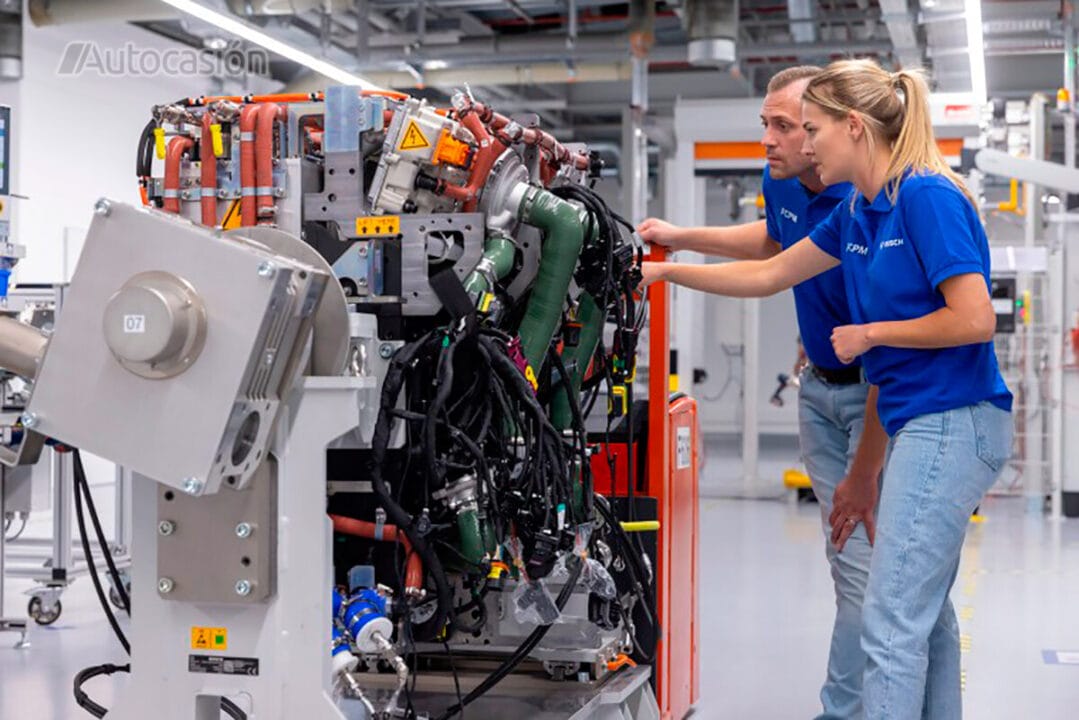

Bosch Announced That This Year It Will Manufacture Its First Hydrogen-Powered Internal Combustion Engine, Reaffirming Its Commitment to This Fuel.
The future of mobility is not limited to electric cars, but hydrogen is also gaining prominence as a sustainable alternative. In this sense, the engineering and technology multinational Bosch has publicly stated its bet on hydrogen, announcing that by the end of this year, 2024, it will launch a hydrogen-powered internal combustion engine for motor vehicles.
During CES 2024, the most important technology fair on the planet, taking place in Las Vegas (United States), the German company recalled that it is investing heavily in technologies throughout the hydrogen value chain and is actively promoting hydrogen as a pillar of future mobility.
Bosch’s Bet on Hydrogen Is Clear
Bosch, which has just begun mass-producing hydrogen cells for use in heavy-duty vehicles, believes that hydrogen plays a crucial role in the transition to sustainable energy sources.
-
2027 Toyota Corolla Cross Unveiled: New Design, Enhanced Fuel Efficiency, Reduced Maintenance Costs, Advanced Technology, Connected Services, and Up to 10-Year Warranty

-
Fiat Cronos Precision 2018: Affordable Sedan with Spacious Trunk and Reliable Maintenance
-
Volkswagen to Cut Production by 1 Million Cars by 2030, Reducing Jobs and Platforms, Focusing on More Profitable Models

-
Toyota Launches First 100% Electric Car in Brazil: bZ4X with 343 HP, All-Wheel Drive, 361 km Range, Priced at $419,990 BRL, Limited to 99 Units



In this sense, it announced the mass production of a hydrogen-powered internal combustion engine that will be ready by the end of this year. Initially, it will be aimed at trucks, but it represents the first step towards later developments for 4×4 or smaller vehicles.
“The hydrogen engine represents an additional option in the combination of future propulsors”, explains Bosch. “Especially in harsh environmental conditions, the hydrogen engine is characterized by its great robustness”.
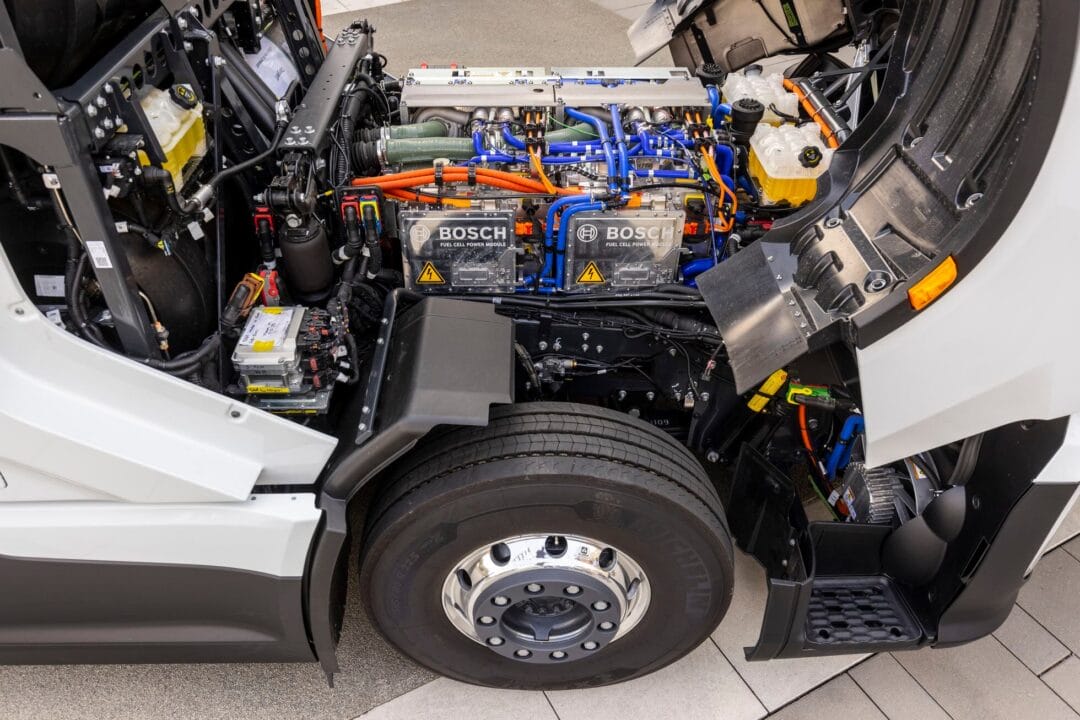
Source: BOSCH
How Does a Hydrogen Engine Work?
But these vehicles with cells are not the only ones we could see in this bright future. This year, at CES, the German giant Bosch shared new data on its plans for a different way to use hydrogen to power cars: a hydrogen engine. It is expected to be ready by the end of this year.
“The company is also working on the components for a hydrogen engine, which converts this fuel directly into energy without previously converting it into electricity”, Bosch stated in a release. “Once powered with green hydrogen, this engine is practically carbon-neutral”
Hydrogen Injection, the Salvation of Diesel Engines?
“To meet our future global energy needs more efficiently in terms of resources, at Bosch we are rethinking energy use and focusing on a dual approach: electrification and hydrogen”, explained Tanja Rueckert, member of the board of directors of Robert Bosch GmbH. “For a low-emission future, we are optimizing the use of traditional energy sources by driving electrification in mobility, in commercial and residential buildings. And we are leveraging new sustainable energy sources, where hydrogen plays a central role”.
Bosch envisions much beyond manufacturers already offering hydrogen models, towards a future where hydrogen can be much more common and available for refueling in gasoline-hydrogen hybrid vehicles that fill their tanks alongside those of fuel cell vehicles.
However, the latter and electric vehicles would be their main competitors, at least if the manufacturers offering them continue to do so while the number of available hydrogen refueling stations increases.