Portuguese
  Spanish


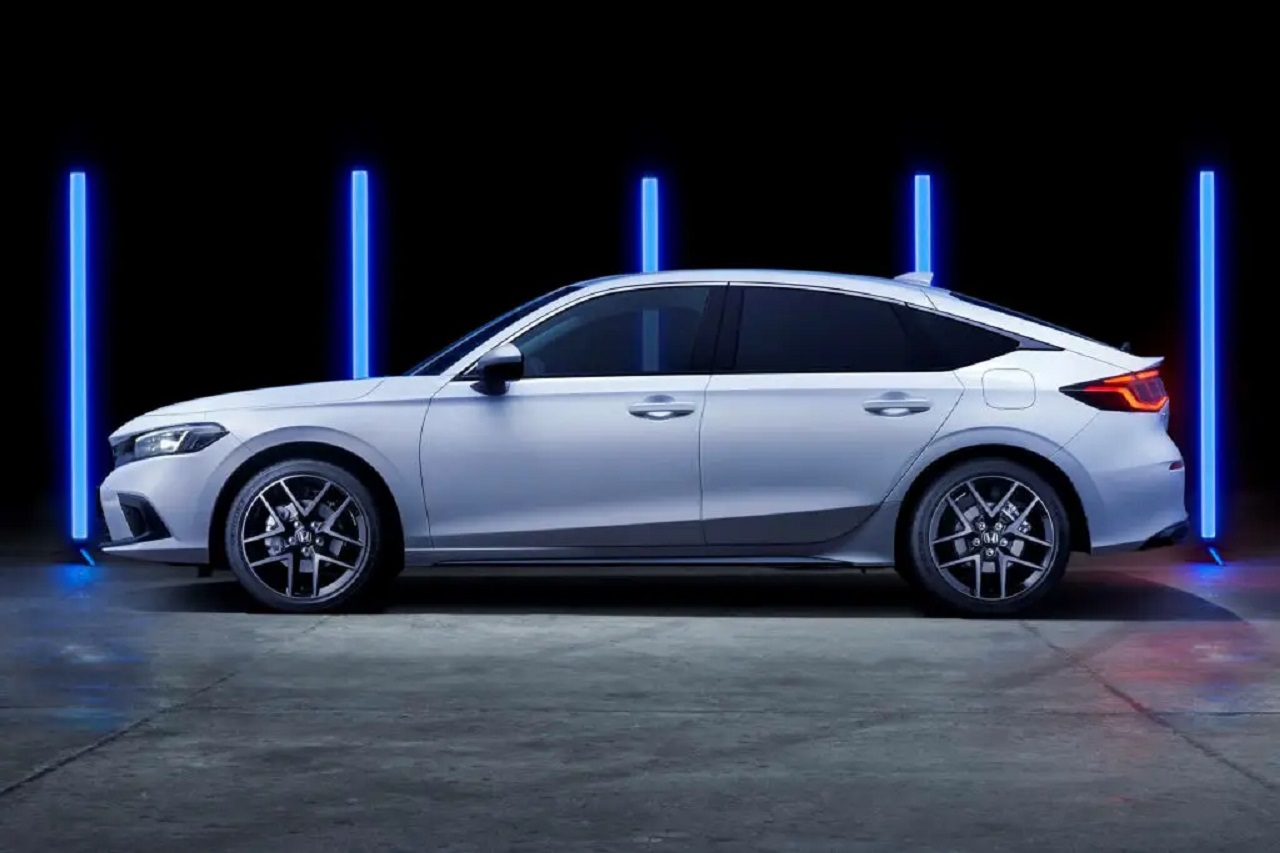

The Multinational Honda Announced The Arrival Of The New Generation Of The Honda Civic Hybrid, Which Makes 20 Km/L In Brazil
The multinational Honda has just revealed, on Wednesday (23), the 11th generation of the Honda Civic: the Honda Civic e:HEV. With a less aggressive design than its predecessor, the five-seater in the C segment will be sold in Elegant and Sport versions exclusively with hybrid engine. The Japanese company also revealed a new concept: the SUV e:NY1, a 100% electric model in the B segment that will be on sale in 2023.
Multinational Promises To Launch 5 New Cars By 2023


Honda plans to unveil five new models by the end of 2023, including the new e:NY1. Little has been revealed about this B-SUV, apart from the fact that “it will occupy a central place in Honda’s future lineup,” according to the automaker. Plans also include a plug-in hybrid CR-V, another hybrid SUV with e:HEV technology, and a Honda Civic Type R.
Thus, the multinational Honda decides to bet on a more elegant and sporty approach, achieved by reducing the hood line by 25 mm compared to the previous generation, while the glazed area has been increased. Still without official measurements, the Civic is longer than the previous generation and has a wheelbase that is 35mm longer. It also weighs 20% less.
-
2027 Toyota Corolla Cross Unveiled: New Design, Enhanced Fuel Efficiency, Reduced Maintenance Costs, Advanced Technology, Connected Services, and Up to 10-Year Warranty

-
Fiat Cronos Precision 2018: Affordable Sedan with Spacious Trunk and Reliable Maintenance
-
Volkswagen to Cut Production by 1 Million Cars by 2030, Reducing Jobs and Platforms, Focusing on More Profitable Models

-
Toyota Launches First 100% Electric Car in Brazil: bZ4X with 343 HP, All-Wheel Drive, 361 km Range, Priced at $419,990 BRL, Limited to 99 Units



Inside, there are new materials and a metallic honeycomb ventilation system along the width of the dashboard. In the Advance version, the driver’s display now incorporates a high-definition 10.2-inch color LCD panel.
The size of the central touchscreen has been increased to nine inches to minimize the driver’s eye movement. The system is complemented by wireless compatibility with Apple CarPlay and Android Auto apps, so occupants can stay connected during travel.
Combined Power Of Up To 184 Hp And New Combustion Engine
The powertrain of the new e:HEV hybrid features a new 72-cell lithium-ion battery and two compact electric motors, all coupled to a newly developed 2.0-liter direct-injection Atkinson cycle engine. In combination, the powertrain offers a maximum power of 135 kW (184 hp) and torque of 315 Nm.
The new version of the combustion engine features several new elements in its architecture, promising a thermal efficiency of 41%. In the safety section, within the Honda Sensing package, the new Civic incorporates a new front camera with a 100-degree panoramic view and enhanced recognition technology.
And, as a major novelty, it is equipped with sonar sensors: four in the front and another four in the rear. In addition to the improved collision prevention and mitigation system, lane departure warning and prevention system, and enhanced adaptive cruise control technology (i-ACC), the hybrid Civic now also features a blind spot information system, cross traffic monitoring, and a traffic jam assist system. In the absence of further official information, the Honda Civic e:HEV will be available in the European market and Spain this fall.
Out Of Breath To Compete With Rivals Corolla, Honda Civic Left The Brazilian Market At The End Of Last Year
The decision to end production of the Honda Civic was mainly due to the success of SUVs. In 2021, the model had about 14,000 units sold between January and September. Its competitor, the Toyota Corolla, for example, sold 30,500 units in the same period. But it’s not just that: the segment has dwindled with the rise of SUVs, currently accounting for only 5% of sales.
The multinational Honda informed suppliers that the production of the Honda Civic would end in November of last year. Thus, starting in December, the automaker unified vehicle production at its Itirapina (SP) factory, which was implemented in 2016 but only began activities in 2019 due to successive declines in car sales in the country.