






 Portuguese
  Spanish
  4 min of reading
  0 comments


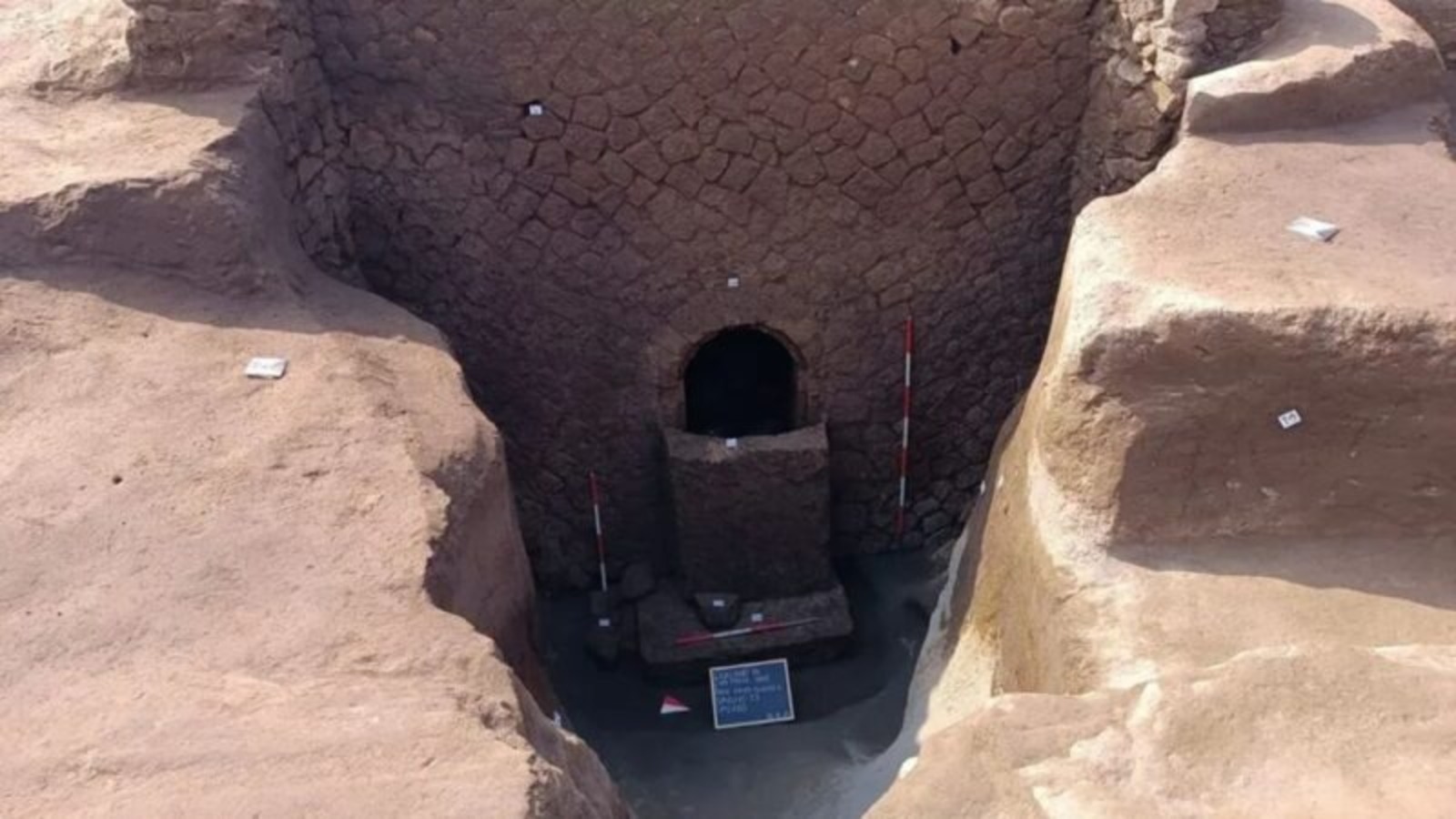
Opening Of Cerberus Tomb In Giugliano Reveals 2,000-Year-Old Sarcophagus With Body In Excellent Preservation, Mineralized Shroud And Traces Of Funerary Rituals In The Naples Region
Archaeologists working at the Cerberus Tomb in Giugliano, northwest of Naples, unsealed in 2024 a sarcophagus about 2,000 years old and found a body in excellent condition, expanding knowledge about funerary rituals in the region.
The team initially inserted a microcamera into the interior of the funerary structure to assess the internal conditions before the definitive opening.
The captured images indicated a promising scenario, leading the specialists to advance in the exploration of the tomb sealed for millennia.
-
Helicopter Drops 180 Tons of Sand and Gravel on Swedish River to Revive Ecosystem Damaged by Decades of Exploitation

-
Brazilian Company Launches Retro Smartphone with 48 MP Camera, T9 Keyboard, and Privacy Features for Social Media-Free Use

-
Self-Taught Chinese Farmer Builds 5-Ton Submarine from Scrap, Launches It in Anhui River
-
Invisible Induction Technology Enables Wireless Power for Blenders, Coffee Makers, and Air Fryers, Reducing Countertop Cables





When the passage was opened, the professionals encountered the body of an individual lying face down.
According to a statement from the Superintendence of Archaeology, Fine Arts and Landscape of the Metropolitan Area of Naples, the state of preservation was classified as excellent.
The work at the Cerberus Tomb was conducted by a team led by archaeologist Simona Formola, who was responsible for coordinating the investigations at the site.
The burial was wrapped in a shroud and surrounded by objects associated with the rituals of the time.
Cerberus Tomb And The Funerary Objects Found
Inside the sarcophagus, archaeologists identified jars of ointment and tools related to the cleaning and preparation of the corpse. These items were often used in ancient funerary ceremonies.
The care in the arrangement of the body and the selection of the artifacts led researchers to conclude that the deceased was likely a family member for whom the mausoleum was originally built.
The Cerberus Tomb had already been attracting interest due to its historical relevance in the Flegrean region, near the ancient Liternum. The archaeological site has provided data considered valuable for understanding the territory.
According to Marian Nuzzo, superintendent of the Italian Ministry of Culture, the site continues to expand knowledge about the past of the metropolitan area of Naples.
Laboratory Analyses Reveal Data On Funerary Rituals
Samples taken from the burial and from the bed where the body was laid have undergone laboratory examinations.
The results provided information about the treatment given to the deceased and about the mortuary practices adopted two thousand years ago.
According to Nuzzo, these findings enrich the current panorama of funerary traditions in the region. Investigations are ongoing to deepen the data already obtained.
One of the points that drew the most attention was the condition of the shroud found in the Cerberus Tomb.
The team believes that the fabric underwent a mineralization process favored by the specific climatic conditions inside the chamber.
The sealed environment may have created ideal circumstances for the preservation of organic material. Textile analysis is still ongoing to identify the structure of the fabric, the type of fiber used, and its quality.
DNA Tests And Organic Substances Identified
In parallel, DNA testing is being conducted with the aim of determining biological characteristics of the deceased, such as ancestry and possible familial ties with other burials in the necropolis.
The researchers are also analyzing organic substances found inside the sarcophagus, including plant residues and pollen grains. These elements may help to understand the funerary context of the Cerberus Tomb.
The initial results indicate that the body may have been treated with creams based on Chenopodium, known as goosefoot, and wormwood.
The substances would have been applied to slow down decomposition and improve preservation.
This data suggests the existence of specific knowledge about body preservation at the time. Analyses continue to confirm the initial results and detail the procedures adopted.
Continuity Of Investigations At The Archaeological Site
The Italian Ministry of Culture reported that the continuity of analyses and sample collection could enhance understanding not only of this burial but also of the broader context of the necropolis.
The expectation is that studies will allow for the reconstruction of aspects of the social composition, beliefs, and cultural practices of Naples 2,000 years ago.
Research at the Cerberus Tomb continues as part of this ongoing effort for historical investigation.
With the continuation of the work, specialists aim to integrate the data obtained with other information already known about the region, strengthening the local historical panorama and enhancing understanding of the analyzed period.
With information from Adventures In History.




-

1 person reacted to this.