






 Portuguese
  Spanish


The soleus muscle, known as the “second heart,” plays a vital role in posture and blood circulation. Located in the lower part of the calf, it helps the body to stay upright, moves blood against gravity, and contributes to the proper functioning of metabolism, according to experts from the University of Barcelona and the University of Houston.
Located beneath the gastrocnemius, the soleus is responsible for supporting the body while standing and during walking. Composed predominantly of slow-twitch fibers, this muscle has great endurance and can remain active for long periods without signs of fatigue.
This characteristic is linked to the high density of mitochondria, organelles responsible for energy generation. According to Dr. Carles Pedret from the University of Barcelona, “when we stimulate it, the soleus produces a large amount of energy due to the volume of fibers and mitochondria.”
Although it accounts for only 1% of body weight, the soleus has energy capacity superior to several other organs, which makes it essential for locomotion and stability.
-
Artesian Well Becomes Lifeline for Small Brazilian Farm: Drilling Reaches 60 Meters, Finds Marble, Navigates Rock Fissures, and Strikes Fresh Water

-
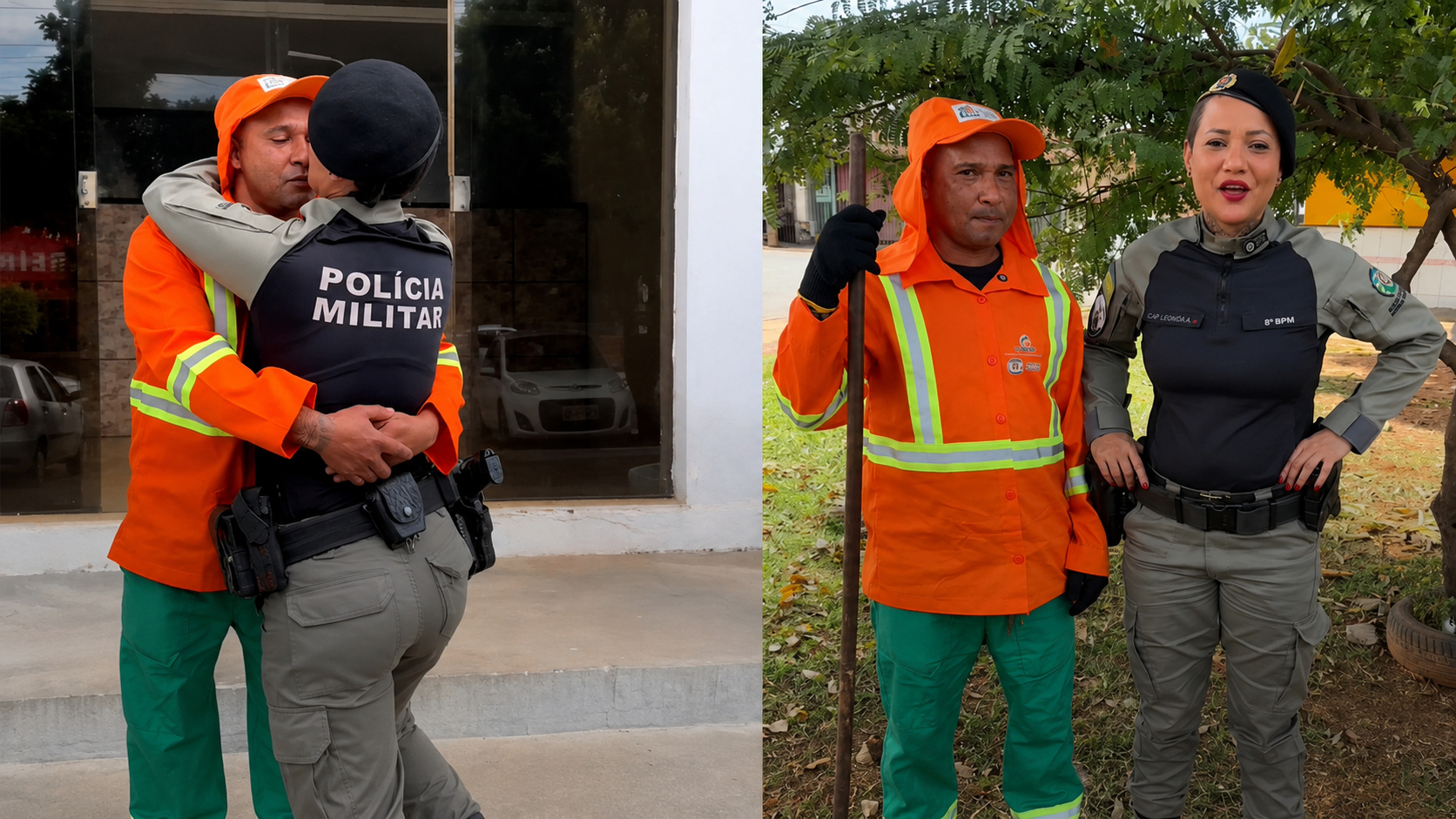
Street Cleaner in Brazil Finds Discarded Books That Helped His Wife Pass Civil Service Exam and Become Police Captain
-
July’s Night Sky to Feature Planetary Alignments, New Moon, Venus at Sunset, Buck Moon, and Two Meteor Showers

-
Fisherman Catches 18kg Catfish Near Brazil’s Itaipu Lake, Among Largest Recorded in Recent Years



The Pump Function That Helps The Heart
Besides maintaining posture, the soleus has a strategic cardiovascular function. Inside it, there are large-caliber veins that are compressed whenever the muscle contracts. This action pushes the blood accumulated in the feet and ankles back to the heart.
According to researcher Marc Hamilton from the University of Houston, “gravity favors the accumulation of blood in the legs, but the contraction of the soleus acts as an auxiliary pump, propelling venous return.” This mechanism, called the popliteal pump, also involves veins in the foot and the gastrocnemius muscle.
With each step, the repetitive motion of this muscle facilitates circulation, preventing issues such as swelling and varicose veins in active individuals.
How To Keep The Soleus Healthy And Functional
To preserve the health of the soleus, specialists recommend light and constant activities. Unlike fast-twitch muscle fibers, which respond well to strength training, the soleus requires continuous and low-intensity stimuli.


According to Pedret, walking daily is the most effective way to keep the soleus active, avoiding damage caused by a sedentary lifestyle or excessive intense exercise. The balance between movement and recovery is considered the best way to preserve the function of this muscle.
Studies highlight that adequate muscle tone is directly associated with quality of life and the reduction of metabolic and cognitive diseases, including a lower risk of dementia in the elderly.
Information was reported by BBC News Mundo, with statements from Carles Pedret, a physician at the University of Barcelona, and Marc Hamilton, a professor at the University of Houston, who explained the physiological and circulatory role of the soleus muscle.


