






 Portuguese
  Spanish


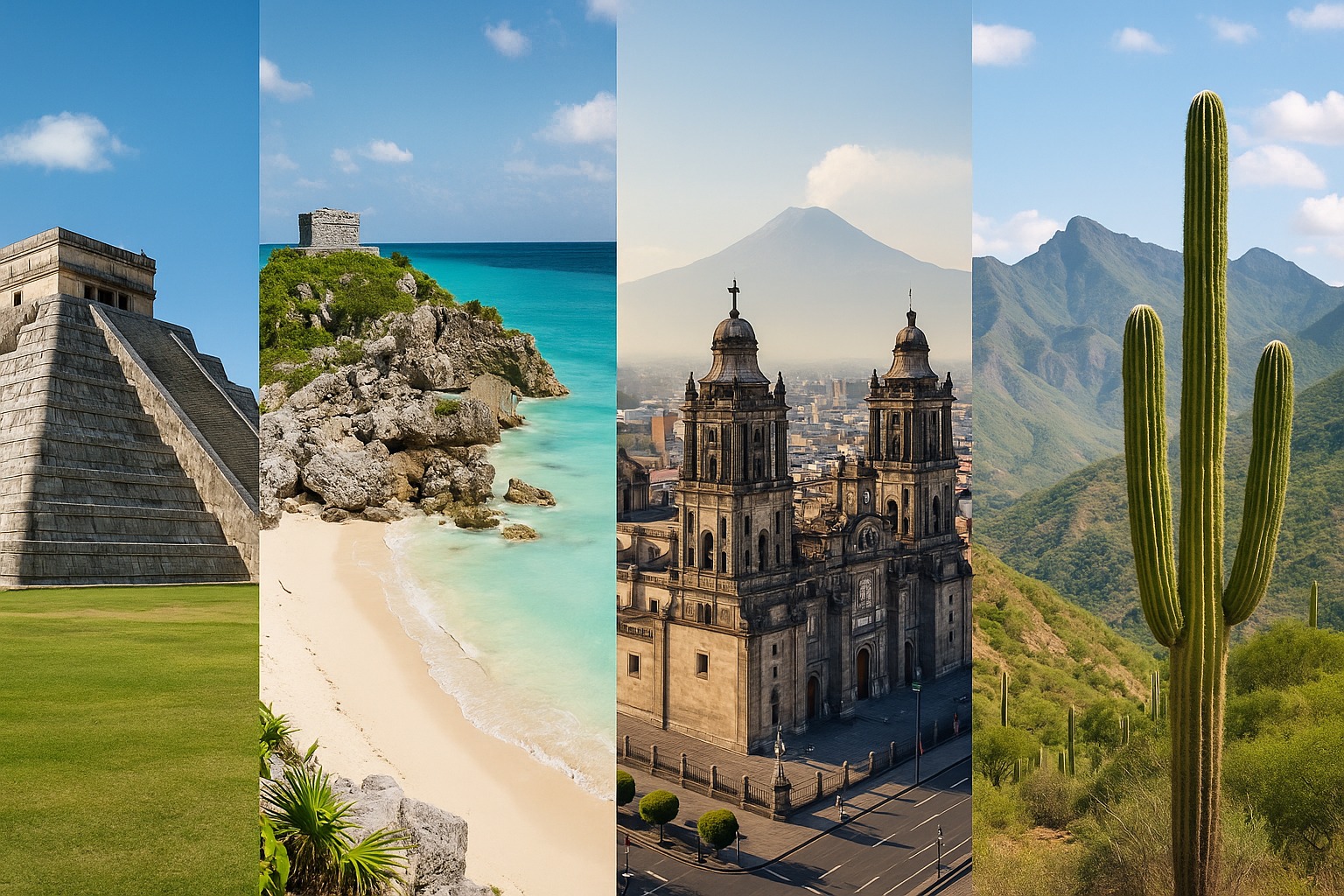


Mexico Takes First Place Among Latin American Countries in Condé Nast Traveler Ranking for Concentrating Diverse Landscapes, Allowing Visitors to Transition Between Beach, Desert, Jungle, and Historical Centers in Just a Few Hours of Travel
Mexico has been designated by the Condé Nast Traveler ranking as the most beautiful country in Latin America because it combines beaches, deserts, mountains, jungles, and historical cities within a single territory, surpassing Brazil and Argentina for accessible diversity.
The survey highlighted the variety of scenery and ecosystems. This composition enhances the perception of multiple destinations in a single trip, which has become an important differentiator.
The list considers 40 countries and places Mexico at the top among Latin Americans.
-
Award-Winning Japanese Restaurant Reveals It Has Preserved Part of the Same Frying Oil for 66 Years

-
American Youth Transforms from Severe Obesity to U.S. Air Force Enlistment, Losing 90 Kilograms in Two Years
-
11-Year-Old Entrepreneur Sells 60 Homemade Sweets Daily, Mastering Cost Calculation, Social Media Promotion, and Client Negotiation Since Age 7

-
Peruvian Mountain’s 5,200 Aligned Holes May Unveil Ancient Indigenous Market for Corn and Cotton


Why Mexico Came Out on Top in the Ranking
The Mexican advantage appears because the territory concentrates very distinct environments. In just a few hours, visitors can cross the Caribbean coast, desert areas, colonial centers, and natural formations that mark many travel routes.
This combination reinforces the feeling that the country offers various styles of tourism. For this reason, Mexico has outperformed recognized destinations such as Brazil and Argentina, both famous for varied landscapes and values that attract travelers.
Landscapes That Stand Out
Mexico goes beyond traditional images. The scenery featured in travel itineraries often mixes clear-water beaches, jungle regions, mountains, and historical areas.
This breadth creates distinct references for tourists seeking varied experiences, something that appears repeatedly in international lists.

What to Do During the Visit
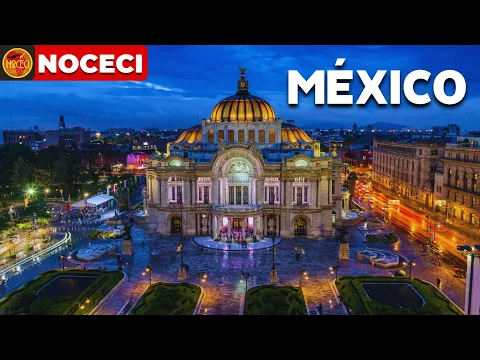
There are many routes connected to history. The center of Mexico City features the Zócalo, the Metropolitan Cathedral, and the National Palace.
These sites concentrate an important part of cultural identity and remain classic stops.
The Mexican Caribbean offers another front of attractions. Riviera Maya, Cancun, and Tulum stand out because they combine beaches, archaeological sites by the sea, and cenotes that attract those who prefer nature.
Cozumel also emerges as an option for diving in clear waters.
Additionally, many travelers include visits to the internationally recognized ruins of Chichén Itzá or head to Barrancas del Cobre, a region of canyons that further expands the repertoire of landscapes in the country.

Ways to Reach the Country
The most common way to access is by air transport. Flights depart from São Paulo to Mexico City and serve as the main entry point.
Other alternatives include car trips from the United States or cruises that dock in Cozumel and Puerto Vallarta.
Brazilian travelers need a visa to enter the country. Starting from February 5, 2026, it will be possible to apply for an electronic visa.
Those with a U.S. visa can travel without the Mexican document, which makes planning easier.
With information from ND Mais.


