






 Portuguese
  Spanish


During Construction On A Highway, Archaeologists Found A 500-Year-Old Pyramid. The Structure Is Part Of A Settlement Dating Back 500 Years.
Under the seemingly ordinary surface of a highway in the state of Hidalgo, Mexico, lay a secret capable of changing our perception of human history.
During expansion work, a colossal artifact, hidden for centuries, was revealed to the world, capturing the attention of archaeologists and historians.
The discovery of a pyramid over 500 years old is not only an archaeological milestone but also a window into the past, shedding light on an ancient civilization and its practices.
-
Artesian Well Becomes Lifeline for Small Brazilian Farm: Drilling Reaches 60 Meters, Finds Marble, Navigates Rock Fissures, and Strikes Fresh Water

-
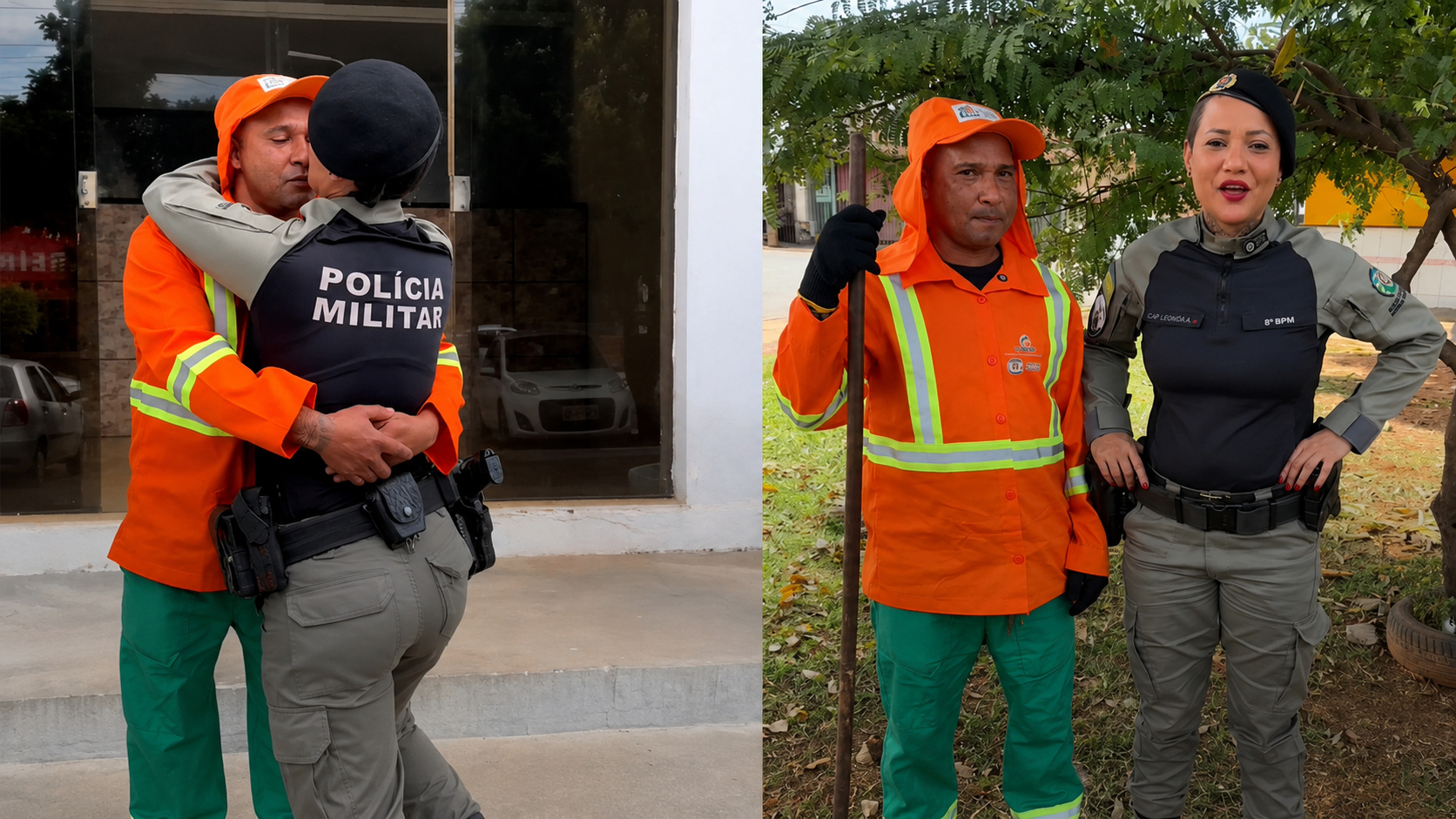
Street Cleaner in Brazil Finds Discarded Books That Helped His Wife Pass Civil Service Exam and Become Police Captain
-
July’s Night Sky to Feature Planetary Alignments, New Moon, Venus at Sunset, Buck Moon, and Two Meteor Showers

-
Fisherman Catches 18kg Catfish Near Brazil’s Itaipu Lake, Among Largest Recorded in Recent Years



According to the National Institute of Anthropology and History (INAH), the halted construction revealed not only a pyramid over 500 years old but also indications of an ancient civilization.
These findings illuminate crucial historical periods, between the Pre-Hispanic (650-950 A.D.) and Late Post-Classic (1350-1519 A.D.), as part of the settlement known as San Miguel.
What initially seemed to be just another infrastructure project now reveals itself as one of the most significant discoveries in the country.
The Discovery of The Pyramid
The structure found is not just a pyramid, but a collection of findings that intrigue specialists.
Composed of five distinct sectors and at least 10 archaeological tombs, this discovery rescues the history of an organized civilization rich in culture.
The presence of tombs indicates funerary practices that may shed light on the customs and spiritual beliefs of this ancient society.
Additionally, materials such as pottery, charcoal, soil, and wooden flooring were collected in an impressive 155 samples.
These elements promise to unveil secrets about human occupation in the region, dating back about 14,000 years.
As reported by INAH, these items are being meticulously analyzed by specialists in archaeology and anthropology.
The samples are essential for reconstructing the past of this region and better understanding the dynamics of life of a society that, until now, remained largely unknown.
The pyramid found is one of many that likely exist beneath Mexican soil, and archaeologists are confident that more discoveries like this may occur as excavation work progresses.
The structure may have served as a spiritual center, a site for rituals, or even a meeting point for great leaders of the time.

Preservation Project For The Pyramid
With the aim of protecting and better understanding these remains, a rescue archaeological project was launched by the Mexican government. The initiative seeks to preserve the site and share the acquired knowledge with the public.
Preliminary results are already being presented at institutions such as the College of the State of Hidalgo and the Technological University of Sierra Hidalguense. The collaboration between the government and universities aims to ensure that the generated knowledge is disseminated effectively.
Additionally, the idea, according to those responsible, is to raise awareness about the importance of archaeological heritage.
According to the government, these efforts are essential to ensure that the historical legacy is understood and respected by future generations.
The project also involves actions to protect the site from future constructions and preserve the ruins in a manner that allows them to be visited and studied by future generations of archaeologists and tourists.
The increase in archaeological tourism may, however, represent a challenge, as the preservation of historical sites requires a delicate balance between public access and protecting the location.
The area where the pyramid was discovered could become a world interest destination, just like other famous archaeological sites in Mexico, such as Teotihuacan and Chichen Itza.
A Look Into The Past
The settlement San Miguel, to which the pyramid belongs, reveals a complex and highly structured society.
The analysis of the collected samples promises not only to uncover how this civilization lived but also to shed light on aspects such as funerary practices, social organization, and interaction with the environment.
The Hidalgo region, according to archaeologists, has always been a strategic point for ancient civilizations due to its location and natural resources.
Experts are optimistic about the data that will arise from these studies, but they caution: this discovery is just the tip of the iceberg.
The Mexican territory, rich in history, may still hide many secrets within its soil. With each new excavation, more pieces of the historical puzzle may emerge, rewriting our understanding of Pre-Hispanic civilizations.
The city of San Miguel may be just one example of what can be found in other parts of the country.
There are many other archaeological sites that have yet to be discovered or that remain protected by centuries of soil and rocks.
This pyramid is just the beginning of a vast field of research that promises to reveal more about the life, culture, and mysteries of the ancient civilizations that inhabited the Mexican territory.
The Impact of Discoveries Like This
The discovery of this pyramid and the subsequent archaeological projects not only deepen our understanding of the past but also have a direct impact on the present.
Archaeological discoveries influence education, cultural heritage preservation, and the development of public policies aimed at protecting historical and natural heritage.
In addition, archaeological tourism has proven to be a powerful tool for economic development in various regions of the world, and Mexico is no exception.
The discoveries made in Hidalgo may attract thousands of tourists interested in exploring the rich historical heritage of the country, providing new economic opportunities for the region.
However, archaeologists and specialists caution that for the country to reap the benefits of this discovery, it is essential that the heritage be treated with respect.
Preservation of archaeological sites should be a priority so that future generations can continue to learn from the legacy of ancient peoples.


