





 Portuguese
  English
  Spanish
  3 min of reading
  0 comments


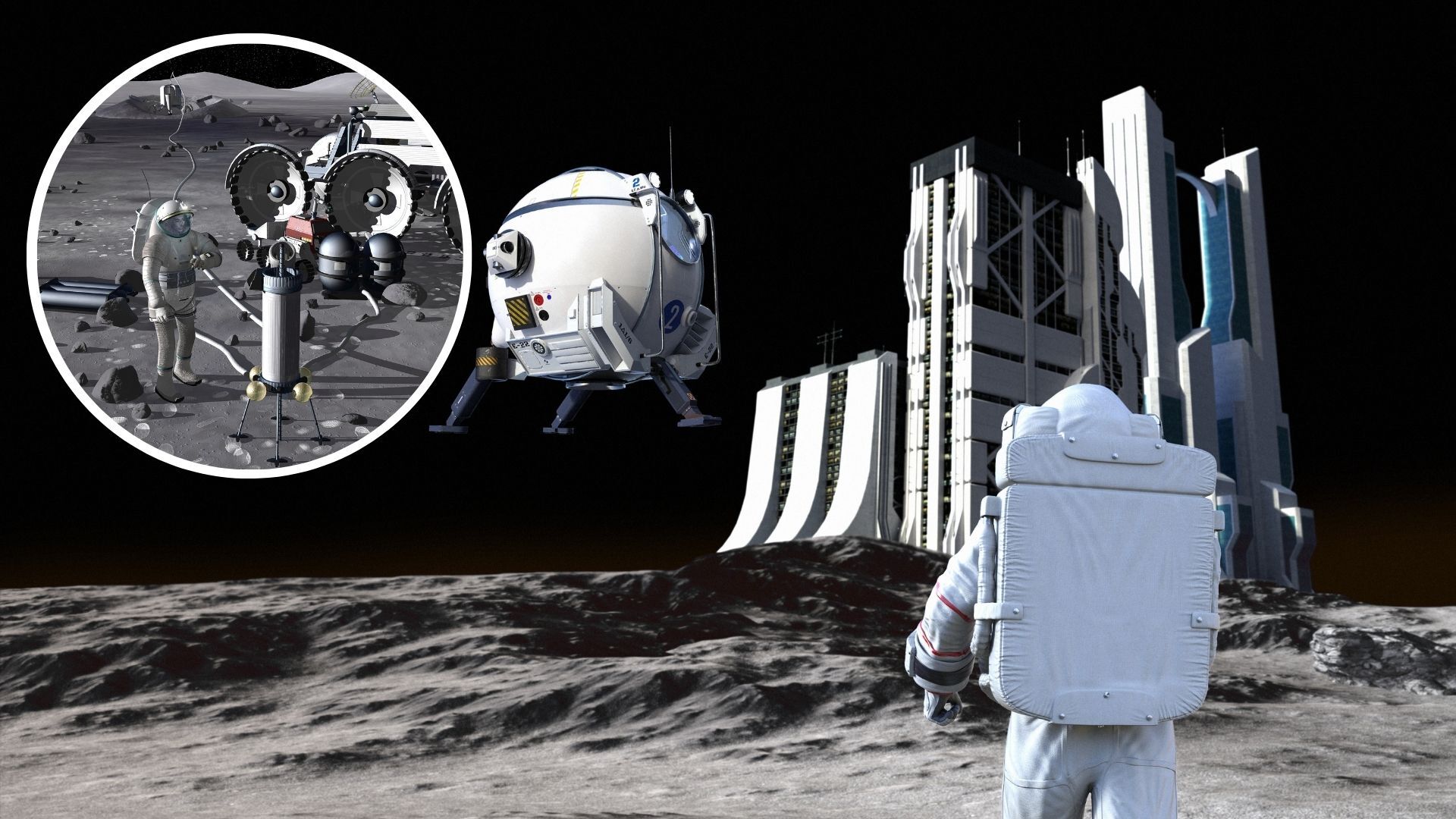
The development of compact reactors is the fundamental pillar for enabling human survival in places where solar energy is insufficient or nonexistent. By mastering fission technology on lunar soil, the United States establishes the logistical foundation necessary to transform the Moon into a springboard for the exploration of Mars and deep space.
The United States Department of Energy and NASA are advancing the development of technologies to establish nuclear energy in space, with an initial focus on the lunar surface.
The project aims to create a medium-sized fission power system capable of providing constant electricity to sustain human presence and prolonged scientific operations on the natural satellite.
Technical specifications of the nuclear energy project in space
The initiative focuses on the design of a 40-kilowatt fission reactor, which is expected to operate for at least ten years on lunar soil. This nuclear energy in space system is considered essential due to the extreme conditions on the Moon, where nights last about 14 Earth days and temperatures drop drastically.
-
For the first time in history, a submarine cable will descend to four thousand meters deep under the ice of the North Pole to ensure that the internet between Europe and Asia no longer depends on conflict zones in the Middle East.

-
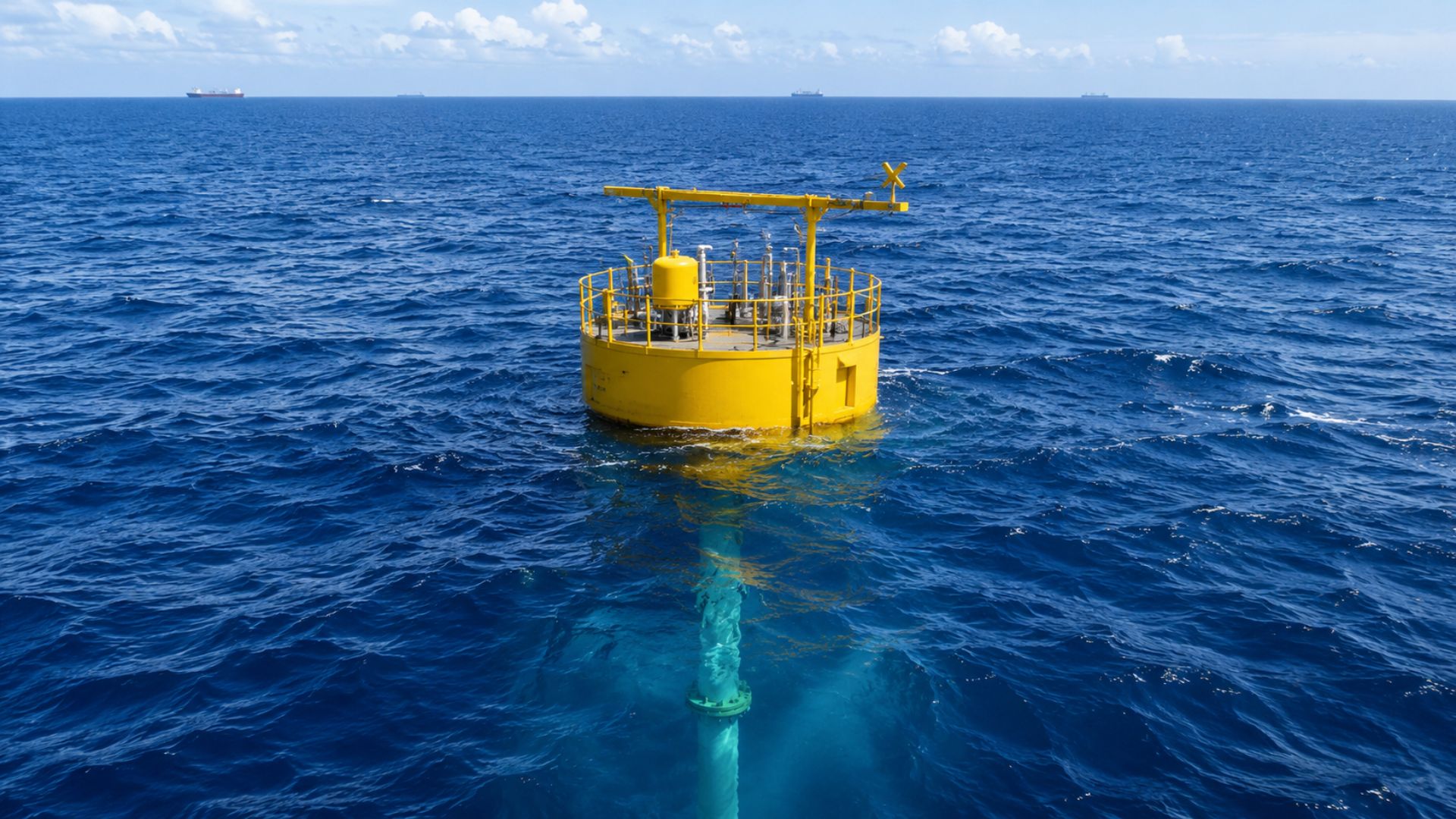
A British company has installed in the middle of the ocean the world’s first floating platform that generates electricity 24 hours a day from the temperature difference between the surface and the depths of the Atlantic, without relying on wind or sun.
-
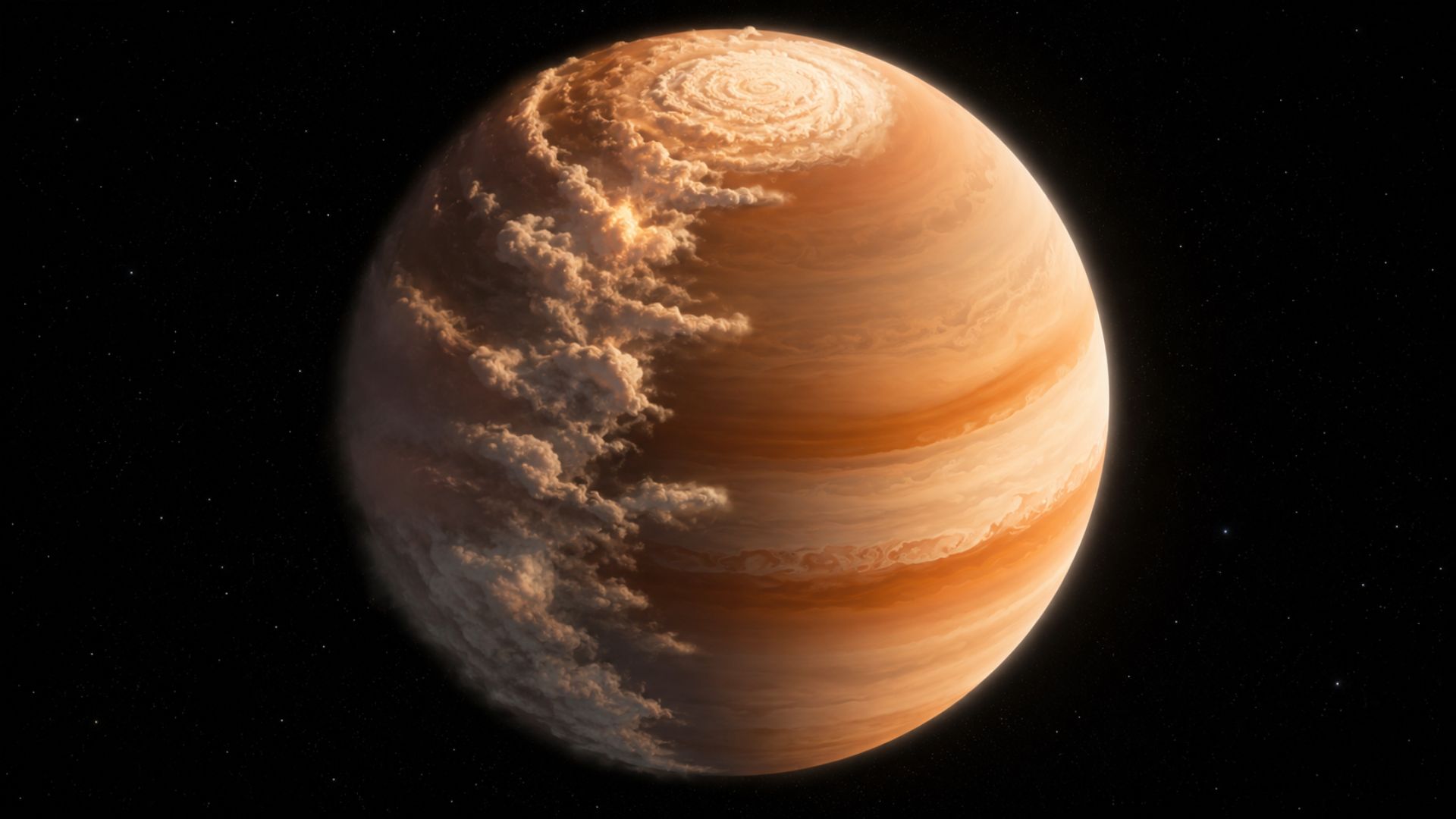
The James Webb telescope spotted a planet 700 light-years from Earth with mornings full of sand clouds and nights with clear skies, the temperature difference between the two hemispheres reaches an impressive 170 degrees.
-
A former Hong Kong police officer has just become the first astronaut from her city to go to space. She embarked on the Shenzhou-23 mission alongside two other colleagues who will face muscle atrophy, radiation, and prolonged fatigue in orbit.


Nuclear fission technology offers a reliable alternative to solar panels, as it does not depend on sunlight to generate electricity continuously.
The U.S. government has selected three commercial partners to develop the initial concepts for this reactor: Lockheed Martin, Westinghouse, and IX. Each company has been tasked with designing a system that is lightweight, robust, and capable of being transported in a lunar landing module. The goal is to ensure that the nuclear energy in space infrastructure supports life support systems, vehicle recharging, and scientific experiments in permanently shadowed areas.
Safety and feasibility of the lunar fission system
Safety is a central priority in the development of the reactor, which will use low-enriched, high-performance uranium fuel.
The design anticipates that the reactor will be activated only when it reaches its final destination, eliminating significant radiological risks during launch from Earth. The implementation of nuclear energy in space follows strict guidelines to prevent contamination of the lunar environment and ensure the integrity of astronauts.
Engineers are working on efficient cooling mechanisms and autonomous control systems to manage fission without constant human intervention. The reactor’s structure must withstand the vacuum of space and the impact of micrometeoroids, maintaining operational stability for a decade.
This technological advancement in nuclear energy in space will serve as a crucial test for future crewed missions to Mars, where energy demands will be even greater.
Timeline and next steps for lunar exploration
The initial phase of concept projects has already been completed, allowing the NASA and the Department of Energy to evaluate the most viable proposals for the next stage. The plan calls for the launch of a demonstration system to the Moon by the end of this decade, integrating the Artemis program of space exploration. The consolidation of nuclear energy in space will enable space agencies to establish permanent bases and expand the frontier of human presence in the solar system.
Beyond the Moon, the success of this medium-sized reactor will pave the way for more powerful thermal and electric nuclear propulsion systems. These technologies could significantly reduce travel time to other planets and increase the payload of spacecraft.
The transition to nuclear energy in space represents a milestone in the shift from episodic exploration to sustainable occupation of extraterrestrial environments.
With information from Interesting Engineering







Be the first to react!