Portuguese
  Spanish


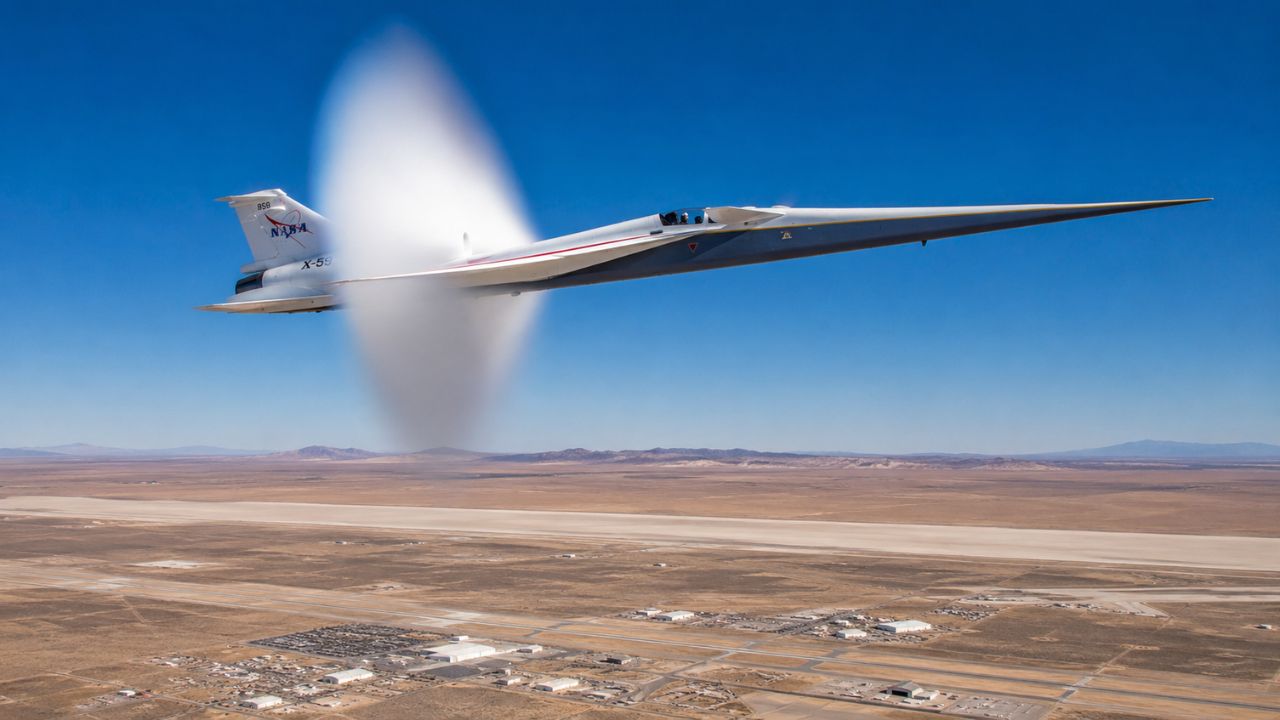

X-59 completes first flight above the speed of sound and advances in NASA mission to develop quieter supersonic flights.
The program aiming to transform the future of supersonic aviation reached a new milestone on Friday (5). During a test flight conducted at Edwards Air Force Base in California, the X-59 surpassed the speed of sound for the first time. Developed by NASA within the Quesst mission, the experimental aircraft was created to investigate ways to reduce the sonic impact normally associated with supersonic flights, paving the way for possible changes in the rules that currently limit this type of operation over land areas.
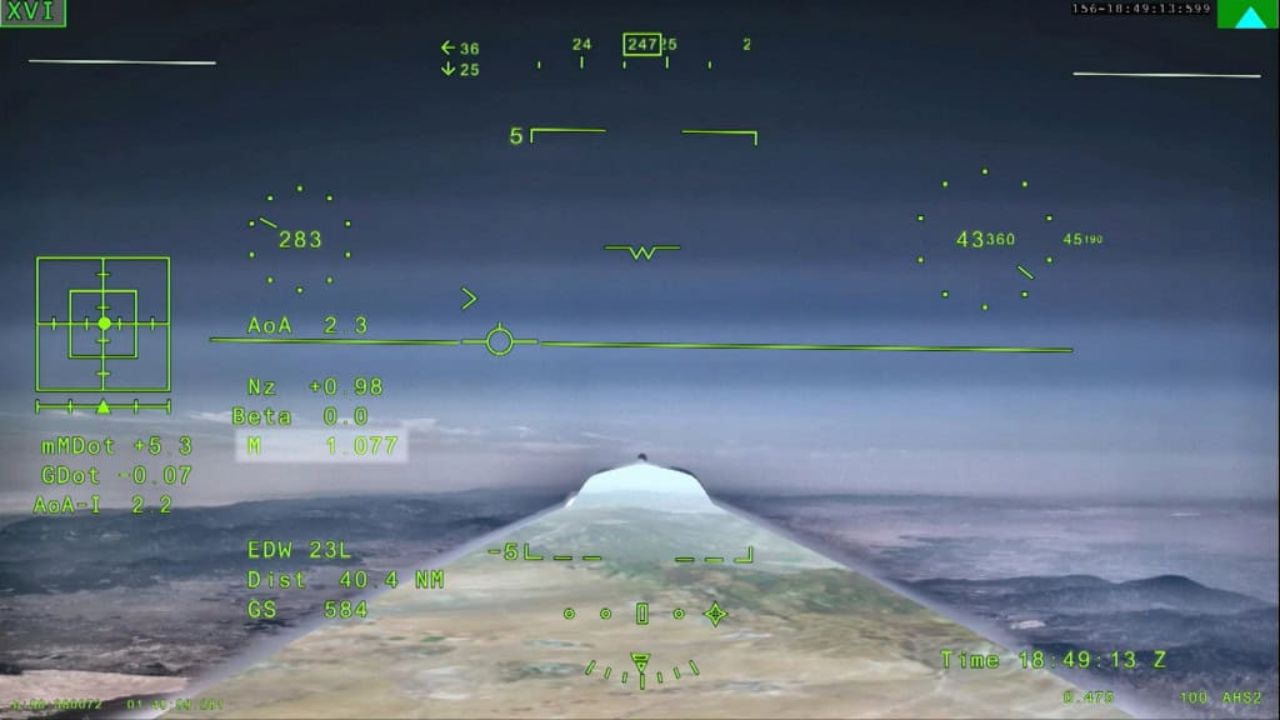
According to Olhar Digital, the mission was conducted by test pilot Jim “Clue” Less and lasted 81 minutes. Throughout the operation, the plane reached approximately Mach 1.1, equivalent to about 1.1 times the speed of sound, reaching 713 mph (1,147 km/h) and an altitude of 43,400 feet, or 13,228 meters.
What does the first supersonic flight of the X-59 represent?
The result achieved by the aircraft marks an important stage of the project initiated by NASA to develop a new generation of planes capable of flying faster than sound without producing the traditional sonic booms.
-
Berries, Strawberries, and Blueberries Could Transform Agriculture in Northeastern Brazil, New Tests Reveal

-
Danish Resident Discovers Six Viking Gold Bracelets Weighing 762.5 Grams, Third Largest Gold Treasure in Denmark

-
Over 200 Cities in Southern Brazil on Storm Alert as Cyclone Near Uruguay Brings Heavy Rain, Hail, and Winds Up to 100 km/h

-
Archaeologists Discover 2,300-Year-Old Beer in Sealed Bronze Vessel from Ancient Chinese Tomb




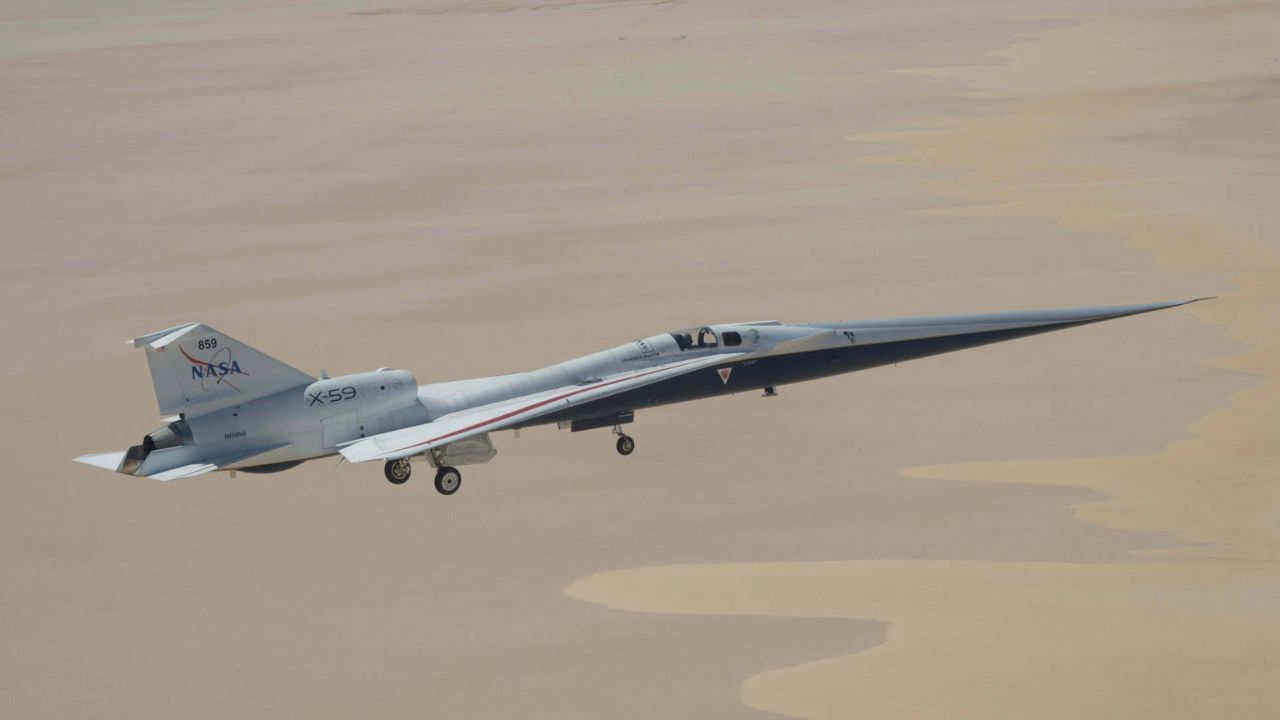
The test took place more than six months after the model’s inaugural flight, conducted on October 28, 2025. Since then, the responsible team has been gradually expanding evaluations to verify the aircraft’s behavior under different operating conditions.
According to NASA, the main goal is to understand if it is possible to replace the strong sonic impact of conventional supersonic planes with a significantly more discreet noise.
Next steps of the X-59 mission are already defined
The progress achieved this week does not conclude the testing campaign. On the contrary, NASA reported that new evaluations are scheduled for the coming days.
The expectation is to conduct the first flight under full operational conditions of the mission. In this phase, the X-59 is expected to reach even higher parameters:
- Maximum speed of Mach 1.4;
- Altitude close to 55,000 feet;
- Approximately 16,764 meters in height.
These numbers will serve as a reference for the next activities planned in the program.
United States communities will play a fundamental role
After the validation of supersonic speed flights, the aircraft should begin a stage considered essential for the future of the project.
NASA’s plan includes flyovers in different American communities to assess people’s perception of the sound produced by the plane.
According to the agency, the noise generated by the X-59 was designed to be perceived as a “thump,” a term used to describe a softer and less impactful sound than the booms traditionally associated with supersonic flights.
The information collected during this phase will be used to understand how the population reacts to the technology developed by the program.
Data may influence future aviation rules
The results obtained during the tests will not be restricted to NASA. The agency reported that the data will be shared with regulatory bodies in the United States and other countries.
The intention is to provide real information about the noise levels produced by modern supersonic aircraft.
If the results are considered positive, the studies may contribute to the development of new regulatory criteria related to the sector.
This discussion gained relevance because, in 1973, the United States Federal Aviation Administration (FAA) banned supersonic flights over land areas. The measure was adopted due to the impacts caused by sonic booms on people and properties.
Project brings together NASA and aerospace industry
The X-59 is the main aircraft of the Quesst mission, an acronym for Quiet Supersonic Technology. The model was built by Lockheed Martin Skunk Works and features a configuration specifically developed to reduce acoustic impact during flights above the speed of sound.
In a statement released this Friday, Michael Kratsios, assistant to the President of the United States for science and technology and director of the Office of Science and Technology Policy, stated that the first supersonic flight of the X-59 demonstrates American capability in areas such as science, engineering, and aerospace innovation.
Another member of the project who commented on the progress was NASA Administrator Jared Isaacman. According to him, the evolution of the tests accelerated after the aircraft’s first flight.
Isaacman reported that the program recorded 16 flights in the last 90 days, maintaining a consistent schedule of evaluations. The director also thanked the teams at NASA and Lockheed Martin Skunk Works for the work developed so far and stated that he hopes this partnership is just the beginning of future collaborations involving the agency’s experimental aircraft.


With the first supersonic barrier overcome, the X-59 now enters a new phase of testing that could provide important information for the development of future commercial operations above the speed of sound over land areas.
Source: Olhar Digital