Portuguese
  Spanish


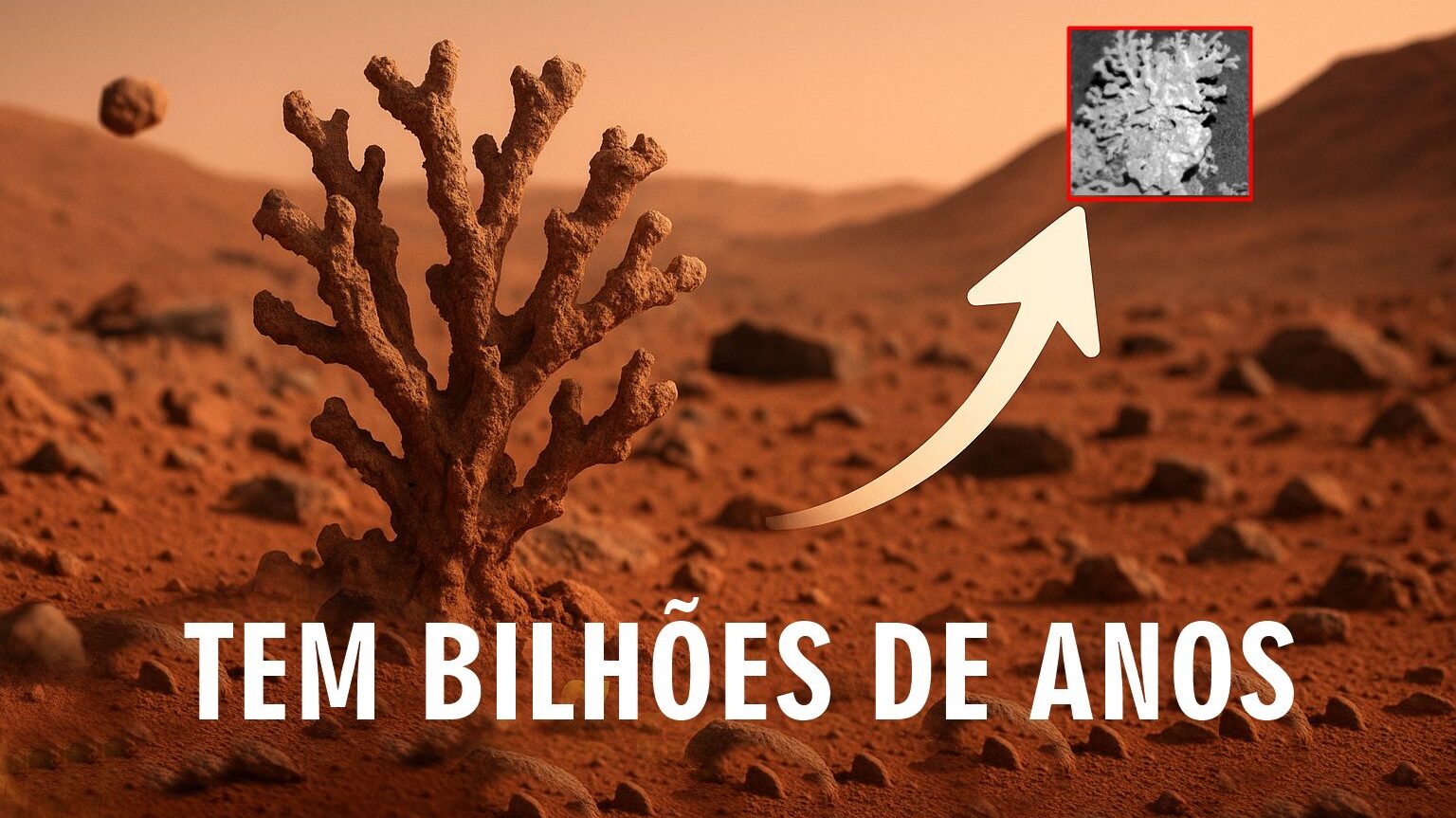

Curiosity Rover Records Rock That Looks Like Coral On Mars, Revealing Clues About The Presence Of Water In The Planet’s Past.
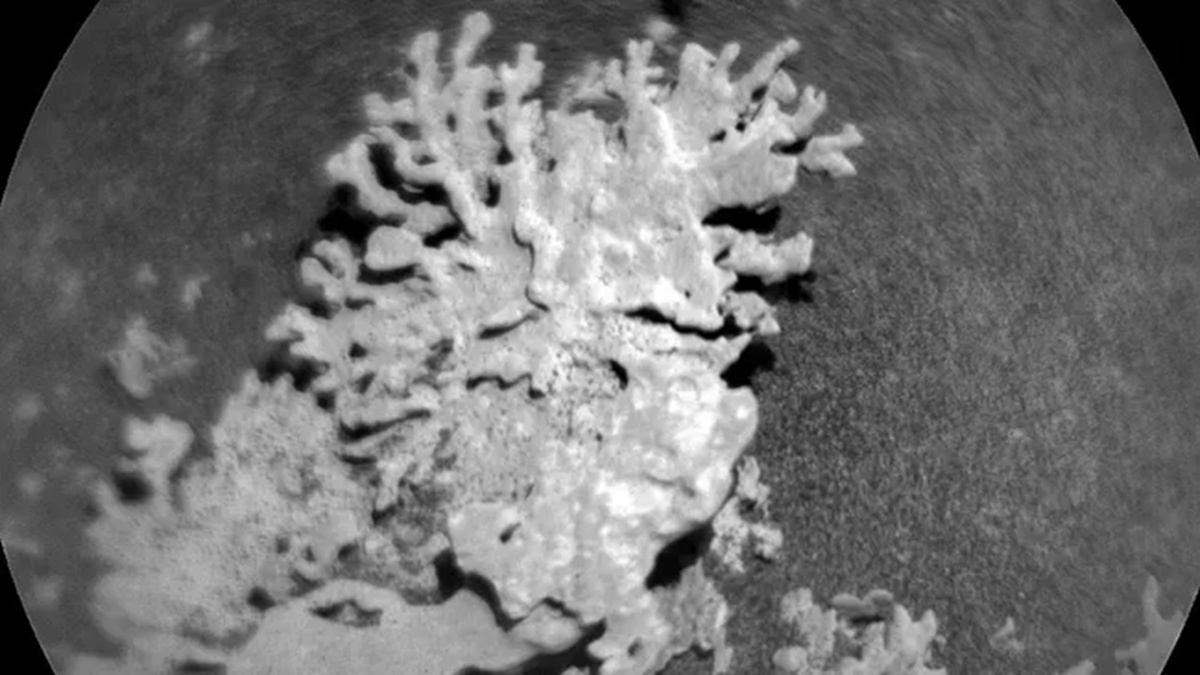
The Curiosity rover, from NASA, found a Martian rock that looks curiously similar to an earthly coral. The discovery occurred on July 24, inside Gale Crater, and was captured with a high-resolution telescopic camera.
The image shows a structure about 2.5 centimeters wide with intricate branching.
The object is not a true coral, but rather a light rock shaped by wind action over billions of years. Despite this, its shape resembles creatures that build reefs in Earth’s oceans.
-
Forgotten Canadian Machine Harnessed Waterfall Power to Supply Mines with Compressed Air for 70 Years Without Motors or Electricity

-
Berries, Strawberries, and Blueberries Could Transform Agriculture in Northeastern Brazil, New Tests Reveal

-
Danish Resident Discovers Six Viking Gold Bracelets Weighing 762.5 Grams, Third Largest Gold Treasure in Denmark
-
Over 200 Cities in Southern Brazil on Storm Alert as Cyclone Near Uruguay Brings Heavy Rain, Hail, and Winds Up to 100 km/h




Origin Linked To Ancient Water
The most important aspect is that this unusual formation reveals traces of the past presence of water on Mars. According to NASA, these rocks began forming billions of years ago when the planet still had abundant water.
This water, rich in dissolved minerals, seeped through small cracks, leaving deposits that formed solid veins.
Over time, these veins were exposed by erosion caused by winds with sand particles, resulting in a coral-like appearance.
Similar Findings Reinforce Patterns
In addition to this formation, Curiosity also found other rocks with curious shapes.
On the same day, July 24, the rover identified a stone called “Paposo,” measuring about 5 centimeters and with an unusual appearance. In 2022, the robot had already photographed an object in the shape of a flower, also in Gale Crater.
These findings indicate that the process of forming these rocks is common in certain regions of Mars, which reinforces the importance of Gale Crater as a study site.
Mission Continues In Search Of Signs Of Life
Curiosity landed on Mars in 2012 and has since traveled about 35 kilometers within the crater, which has a diameter of 154 km.
The path is covered slowly to allow for drilling, sample collection, and data analysis.
The rover’s mission is to search for evidence that Mars was once habitable. So far, scientists have found promising signs, such as carbon chains in rocks that are 3.7 billion years old and evidence of an ancient carbon cycle on the planet.