






 Portuguese
  Spanish
  3 min of reading
  0 comments


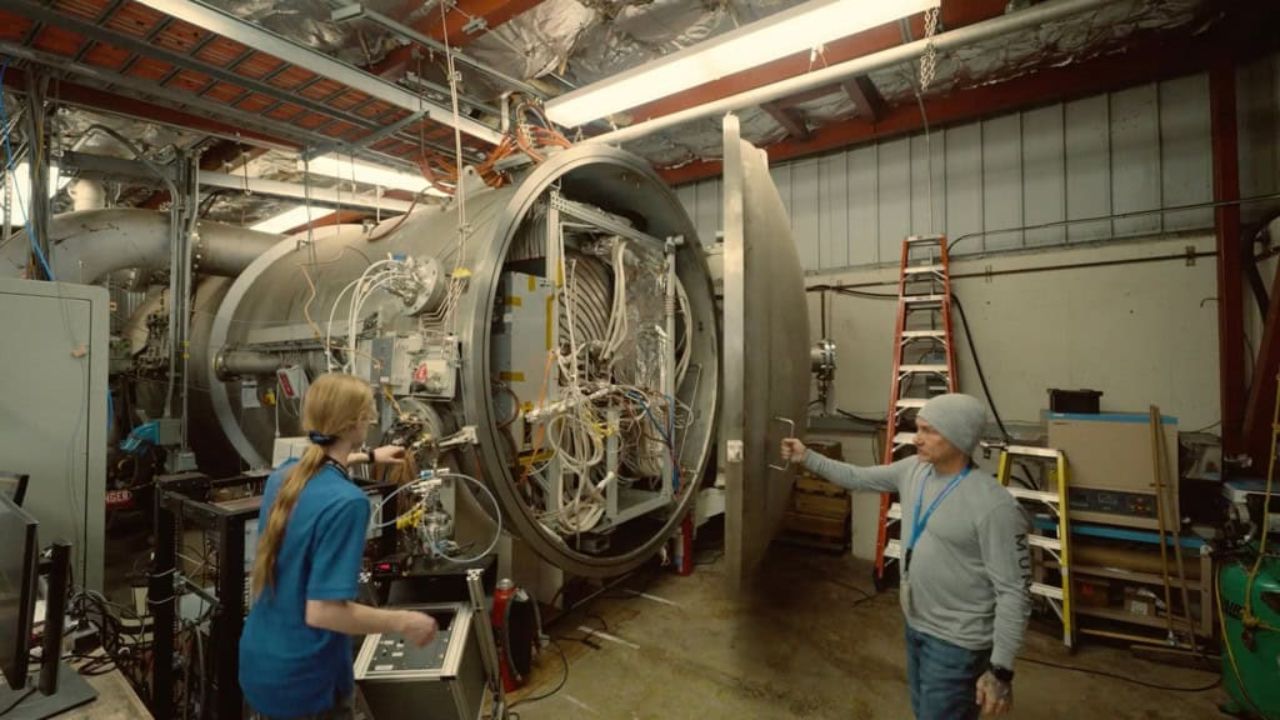
NASA engineers test new 120 kW electric propulsion system that can reduce fuel consumption by 90% in crewed missions to Mars.
A significant advance for space exploration has been recorded by NASA engineers: a new electric propulsion system was put to the test in the agency’s laboratories and reached 120 kilowatts of power — a historic record in the United States. The technology, which uses metallic lithium vapor as fuel, was developed with a focus on enabling crewed missions to Mars and could completely transform how humanity plans journeys to the red planet.
Power Record
During the most recent tests, the electric thruster developed by NASA’s Jet Propulsion Laboratory reached 120 kilowatts of power — an unprecedented milestone for systems of this type in the United States.
To give an idea of the magnitude of this result, the recorded performance is approximately 25 times greater than that delivered by electric thrusters currently in use on the Psyche mission, which is traveling towards asteroid 16 Psyche.
-
Helicopters drop 6,000 logs into 38 km of remote rivers in Washington to reverse decades in which biologists removed wood from the water thinking they were doing the right thing.

-
WhatsApp prepares messages that disappear after a single reading and tests on iPhone a feature that could change the way users send private, temporary texts that are harder to keep saved in conversations.

-
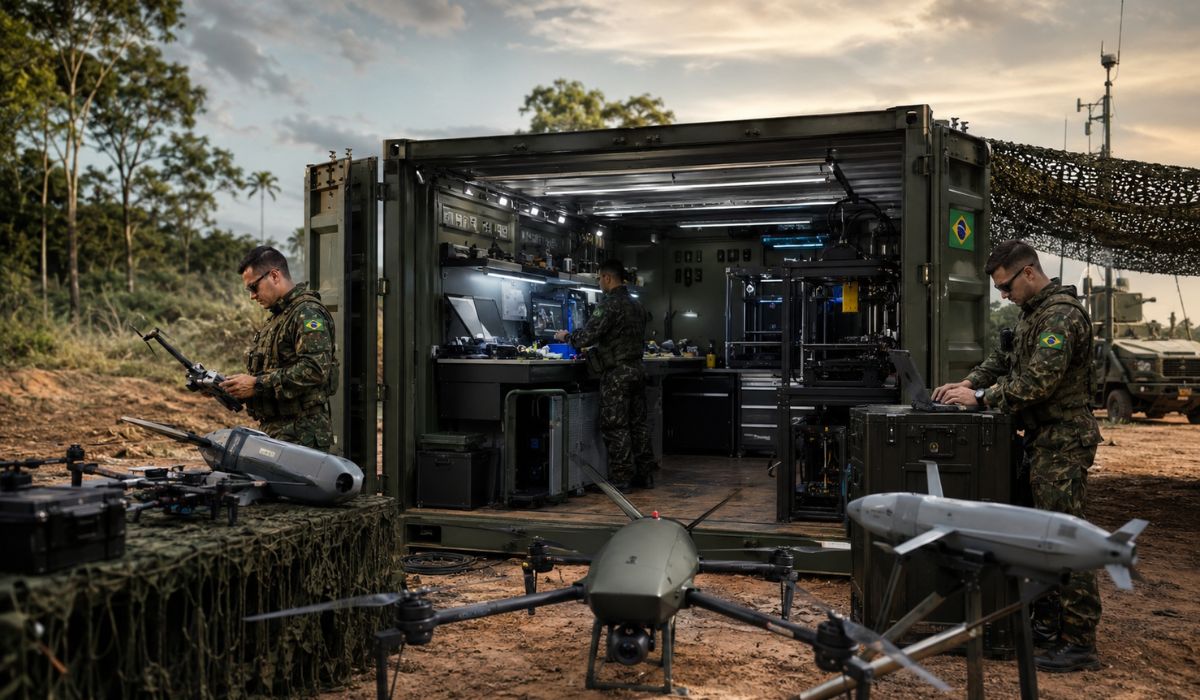
The factory that fits in a container: Brazilian Army wants to produce bomber and kamikaze drones on the front line with 3D printing, seeks partners to set up a mobile combat unit, and tries to shorten in Brazil the war logic that exploded in Ukraine.

-
Man creates homemade system with laptop batteries and reduces dependence on the power grid; the project has been operating since 2016 with reused batteries, 24 solar panels, and more than 10 kW.



James Polk, a senior scientist at the laboratory, highlighted the historical importance of the experiment. According to him, “designing and building these thrusters over the past two years has been a long preparation for this first test,” and the result was doubly satisfying: it confirmed the equipment’s operation and precisely met the power targets set by the team.
How does the new electric propulsion system work?
Unlike conventional rockets — which release all their thrust at once during takeoff — electric motors operate gradually. They accelerate the spacecraft continuously, allowing it to reach progressively higher speeds throughout the journey.

This operational difference brings a concrete advantage: fuel efficiency. According to NASA, the system can reduce consumption by up to 90% compared to traditional chemical thrusters — a significant number when talking about missions that would last about 2.6 years in total.
Among the main differentials of the technology are:
- Use of metallic lithium vapor as propellant
- Continuous acceleration throughout the journey, without an initial impulse peak
- Up to 90% reduction in fuel consumption compared to chemical rockets
- Potential to exceed the Psyche probe’s projected speed of 200,000 km/h
- Lower fuel load requirement for crewed missions
Challenges still need to be overcome
Despite the promising results, the path to a crewed mission to Mars is still long. NASA estimates that, to enable this type of journey, systems with power between 2 and 4 megawatts will be needed — a level far superior to the 120 kilowatts achieved so far.
Furthermore, the thrusters will need to withstand extreme conditions, including temperatures exceeding 2,800 °C, and operate continuously for over 23,000 hours. Therefore, the current stage represents an important proof of concept, but not the final product.
Technical Comparison
| Parameter | Current (test) | Goal for Mars |
| Power | 120 kW | 2,000 – 4,000 kW |
| Temperature supported | Under test | > 2,800 °C |
| Operating hours | Under evaluation | > 23,000 h |
| Fuel reduction | Up to 90% compared to chemical rockets | |
Why does Mars require different propulsion?
Missions to the red planet involve a series of logistical complexities that make energy efficiency indispensable.
Spacecraft need to transport astronauts, supplies, and equipment for an extended period — and the available launch windows between Earth and Mars occur only every two years, which imposes rigid planning and inevitably long missions.
Meanwhile, a more efficient system not only reduces the amount of fuel needed — which decreases the total weight of the spacecraft — but also expands the possibilities for planning journeys.
Therefore, the evolution of electric propulsion could be decisive for crewed missions to Mars to become viable within the next few decades.


With information from Olhar Digital


-

1 person reacted to this.