






 Portuguese
  Spanish


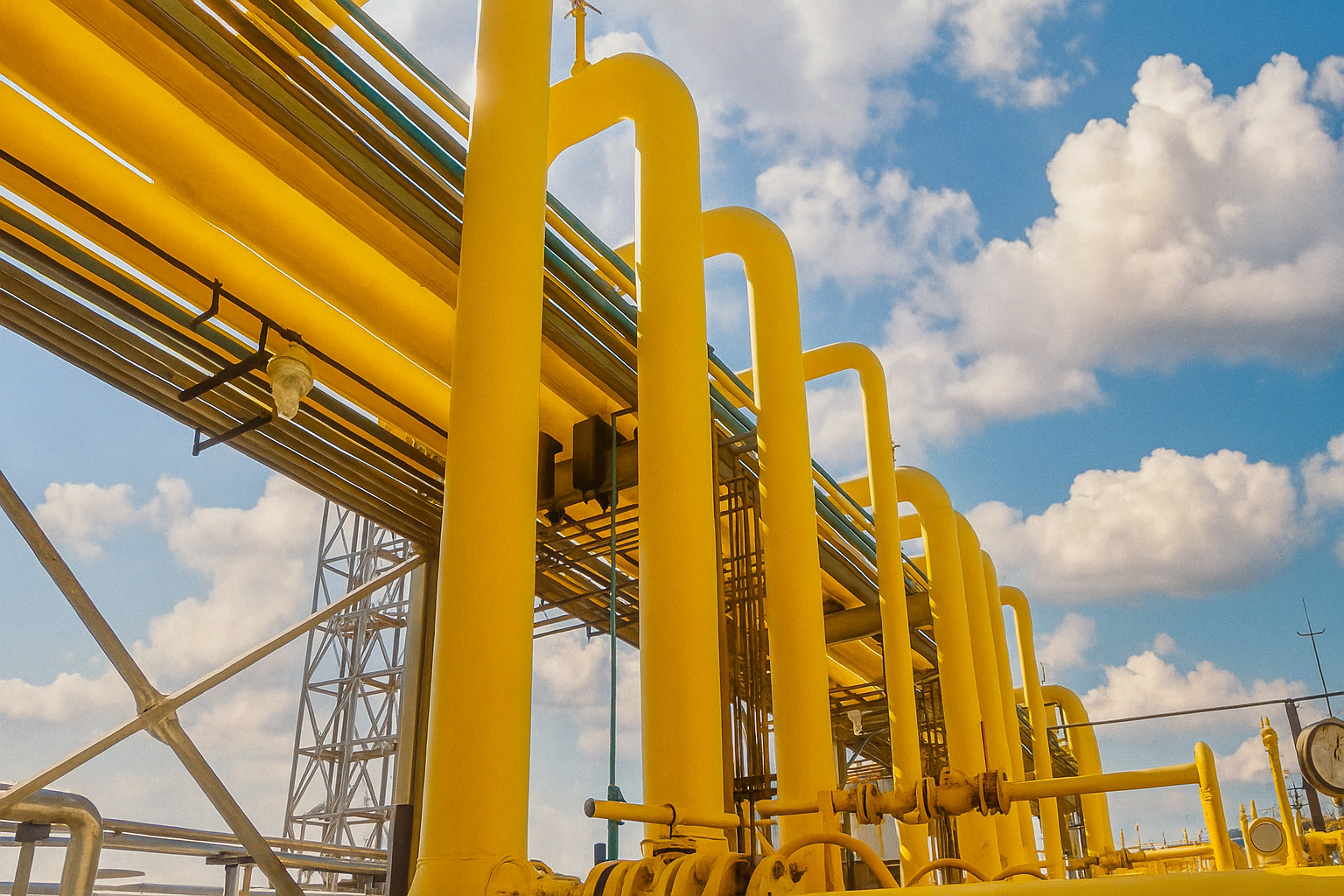

Naturgy Believes in the Potential of Gas and Invests to Expand the Use of Fuel in Rio and São Paulo, Focusing on Sustainable Mobility.
The use of natural gas in Brazil has always been linked to discussions about clean energy, accessibility, and safety. Since the arrival of the first gas pipelines in the 20th century, the fuel has gained space in industries and transportation.
Thus, it has consolidated itself as a efficient alternative to gasoline and diesel.
At the 8th National Seminar on CNG + Biogas, held at Casa Firjan, experts, entrepreneurs, and industry representatives discussed the next steps for the advancement of compressed natural gas, CNG.
-
Petrobras to Double Natural Gas Supply in Northeastern Brazil with New Investment

-
Petrobras Approves $1.2 Billion Refinery in Brazil to Produce Aviation Fuel and Diesel from Plants
-
Petrobras Secures $2.2 Billion Contract to Build and Operate Four Support Vessels for Brazil’s Offshore Oil Fields
-
Oil production grows in Rio, but reserve replacement raises a warning sign


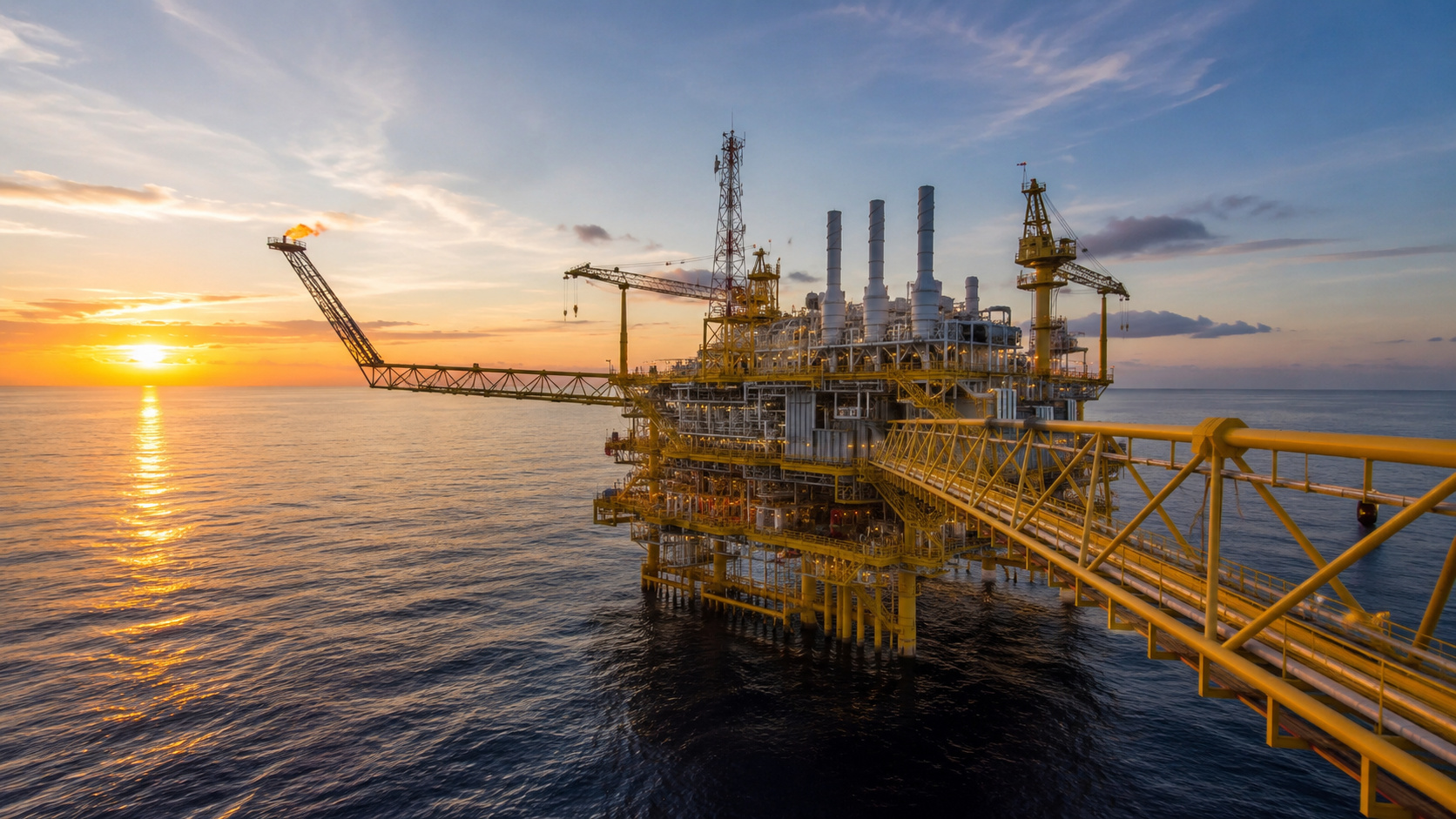
In this context, Naturgy believes in the potential of gas and reinforced its commitment to the expansion of the use of this fuel in Rio de Janeiro and São Paulo.
The company presented data and highlighted that the main objective is to secure investments in infrastructure, universal access to CNG, network safety, and connection of new users.
Therefore, investing in gas-powered trucks and buses means reducing emissions, increasing consumption scale, and lowering unit costs. This makes the fuel even more competitive.
In addition, the company explained that CNG can generate direct and indirect jobs in various regions, especially in the transportation and fleet maintenance sectors. Thus, the expansion of gas use also contributes to local economic development, becoming an integrated strategy between sustainability and growth.
Rio de Janeiro: Historical Leadership in CNG Consumption
The state of Rio de Janeiro plays a central role in this trajectory and has thus become a leader in consumption.
According to Firjan, it concentrates 56% of the national CNG market, with about 1.7 million converted light vehicles and over 700 operational stations.
Thus, this historical leadership places the state as a reference in the sector.
The competitive price of CNG compared to ethanol and gasoline further reinforces its importance.
Therefore, in addition to cost savings for drivers, there is also a positive environmental impact, as the use of gas emits fewer greenhouse gases.
In this scenario, Naturgy believes in the potential of gas to transform urban mobility, especially in passenger and cargo transportation.
Thus, the company is already investing in the expansion of sustainable corridors aimed at fueling trucks and buses.
In this way, this movement strengthens the integration between Rio and São Paulo, two of the country’s main economic hubs.
Moreover, the sustainable corridors have the potential to serve as a model for other regions in Brazil, contributing to a more efficient and secure national fueling network, which may encourage the arrival of new players in the market.
The Energy Transition and Naturgy’s Investments
During the event, company representatives highlighted the investments in infrastructure.
The CNG coordinator, Leonardo Augusto, recalled that the company has already invested R$ 300 million in creating and expanding Sustainable Corridors.
Today, therefore, 11 stations allow heavy vehicles to travel between Rio and São Paulo with full refueling autonomy.
These investments reinforce an important point: natural gas can function as a transition fuel.
It occupies an intermediate space between the most polluting fossil sources and renewables like solar and wind.
Thus, by ensuring competitiveness, CNG creates time and space for other clean sources to consolidate.
Naturgy’s vision, furthermore, aligns with a global trend.
Countries in Europe and Asia are already using gas on a large scale in urban transport, benefiting from both emission reductions and economic viability.
In this sense, Brazil has the potential to follow this path, especially in regions of high population density.
Besides transportation, the company emphasized that natural gas can be used in energy generation for small industries, allowing for reduced operational costs and greater energy efficiency. In this way, the positive impact extends beyond the automotive sector, reaching different areas of the economy.
Challenges and Prospects for the Natural Gas Sector
Despite the optimism, the sector still faces significant challenges. One of them is the end cost of fuel.
During the seminar, Alessandro Menezes, director of Regulation, Tariffs, and Natural Gas Supplies at Naturgy, highlighted that the union between companies, government, and society can help reduce tariffs and make CNG more competitive.
He also pointed out that the modernization of transport contracts and the entry of new natural gas suppliers, for example, can encourage competition and lower prices.
Thus, this strategy can attract more consumers and expand the fueling network.
Another point discussed was the need for greater societal awareness.
Although Rio leads in consumption and infrastructure, many regions in Brazil still do not explore the full potential of natural gas.
In this sense, bringing this option to new states and expanding coverage requires consistent investments and aligned public policies.
Furthermore, studies indicate that CNG and biogas can significantly reduce urban pollution, improving air quality in large cities and contributing to public health.
The Future of Natural Gas in Brazil
The future of natural gas in Brazil depends on the integration of innovation, regulation, and sustainability.
Thus, Naturgy believes in the potential of gas not only as an alternative for the present, but also as a pillar of a balanced energy transition.
With investments in sustainable corridors, network expansion projects, and strategies to reduce costs, the company aims to strengthen the use of CNG in heavy vehicles.
Therefore, this path contributes to the reduction of pollutant emissions, lowers transport expenses, and expands the autonomy of the fleet.
Urban mobility needs accessible and less polluting solutions.
In this case, natural gas represents a real opportunity to combine competitiveness, economy, and sustainability.
When compared to diesel and gasoline, its environmental impact is much lower.
Thus, it makes it an important ally in combating climate change.
Moreover, the growing use of gas and biogas can generate new research and technological innovation opportunities, strengthening universities and research centers focused on the energy sector.
Final Considerations: A Strategic and Sustainable Bet
The discussion at Casa Firjan showed that the energy transition relies not only on technology, but also on collaboration.
Companies, consumers, and government, therefore, need to work together to expand access to natural gas and ensure that Brazil takes advantage of its potential.
By investing in infrastructure, reducing costs, and strengthening CNG’s competitiveness, Naturgy signals that it is prepared to lead this process.
Thus, the expansion of the use of natural gas in trucks, buses, and light vehicles can change mobility in the country’s largest urban centers.
In a world that demands rapid solutions to climate change, investing in natural gas as a transition fuel represents a practical and responsible choice.
For this reason, the company’s message is clear: Naturgy believes in the potential of gas and sees this fuel as a secure bridge to a more sustainable future.





Your blog is a true hidden gem on the internet. Your thoughtful analysis and engaging writing style set you apart from the crowd. Keep up the excellent work!