Portuguese
  Spanish


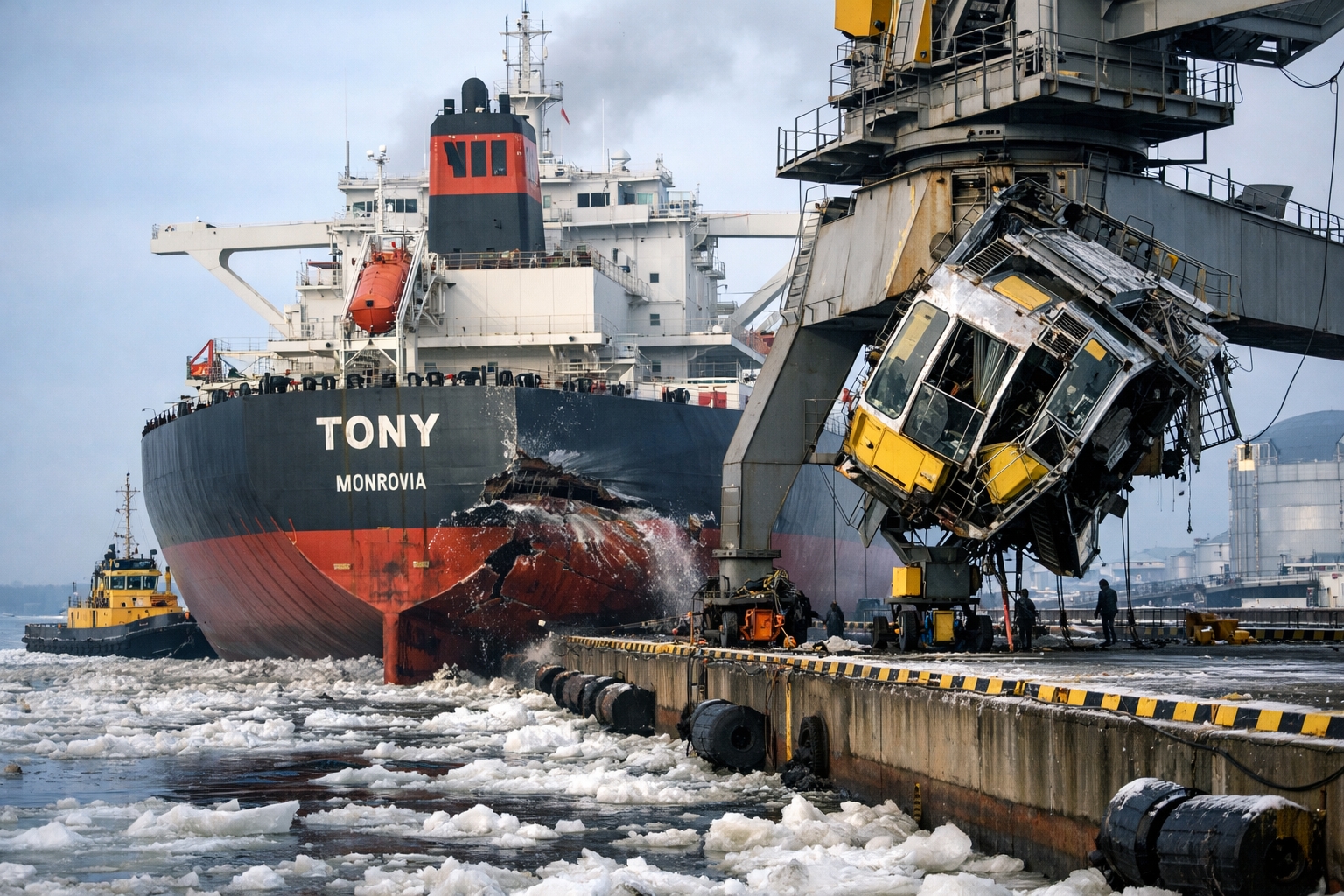

Tanker of 162 Thousand Tons Crashes into Dock and Knocks Down Crane Cabin in Ust-Luga, Russia, with Intense Ice and Draws Attention from Authorities and Port Operators
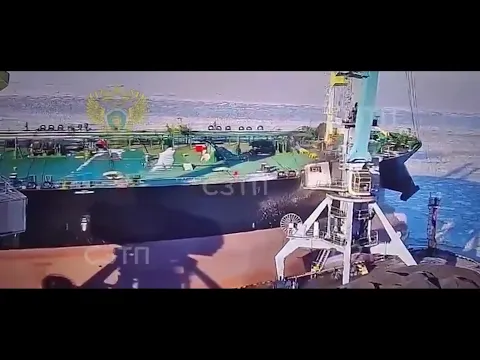
What seemed like a routine maneuver in Ust-Luga, Russia, on Saturday, February 14, quickly became international news. The tanker Tony, registered under the Liberian flag and owned by a Greek company, collided with the dock as it approached the port, hitting and tearing off a crane cabin.
The images show the cabin hanging, completely destroyed, and a visible dent in the hull of the ship, which remains docked. Despite the impact, authorities confirmed that there were no injuries or pollution spill, and the port continued to operate normally.
The detail that drew the most attention was the heavy ice in the Baltic Sea, which has made navigation for large vessels difficult this winter, making operations extremely complex.
-
How to Prevent Brown Recluse Spider Bites: Common Hiding Spots and Free Tips to Reduce Risks

-
Natto: The Unusual Japanese Superfood Gaining Popularity on Social Media and Driving Record Exports
-
Brazilian Mayor Goes Undercover as Homeless for 24 Hours to Assess Public Services

-
15-Year-Old Entrepreneur Malu Lira Publishes 20 Children’s Books on Financial Education, Earns $500,000, and Expands Her Project to the Amazon Rainforest




The immediate impact of the images went viral on social media, attracting the attention of experts, port operators, and onlookers to the risks of maneuvering in extreme conditions.
Russian Telegram channels report that a tanker in Ust-Luga, Leningrad region of Russia, has crashed into a port, damaging a quay wall and a port crane. pic.twitter.com/hYlnof2ZDA
— Anton Gerashchenko (@Gerashchenko_en) February 15, 2026
Collision in Ust-Luga Exposes Challenges of Docking in Heavy Ice
The Tony, built in 2010 and managed by Dynacom, was being assisted by tugboats as it approached the dock. Estimates indicate that the combination of intense ice and the complexity of the maneuver contributed to the hull scraping against the crane, tearing off the cabin.
The accident damaged port equipment and left a visible mark on the ship. Experts warn that operations in icy regions require maximum precision and a highly skilled crew.
Vessel History and Recent Inspection Reveal Critical Issues
The Tony has a deadweight tonnage of 162 thousand DWT and has been under the management of Dynacom since its construction. The last recorded inspection, in November 2024, in Turkey, identified 20 deficiencies, three of which were critical: lack of fixed fire extinguishers, expired cargo safety certificate, and unavailability of immersion suits for the crew.
These failures contributed to a temporary detention of the vessel, according to official records. The episode in Ust-Luga reinforces the need for rigorous maintenance and compliance with regulations for large vessels.
Ice in the Baltic Sea Increases Risk and Makes Maneuvers Difficult
The port of Ust-Luga has faced severe ice conditions this winter. The images show thick plates around the ship, indicating that the maneuver required maximum attention.
According to experts, ice quickly alters the vessel’s stability, even with the help of tugboats, making any docking more risky. The visual impact impressed port operators and authorities in the region.
Visible Damages and Port Operation Remains Normal
The crane cabin was completely torn off and remains hanging, a scene that impressed those monitoring the port. The hull of the ship shows a large dent, but there was no fuel or chemical spillage.
Despite the accident, the port continued to operate normally, demonstrating the resilience of the operation, but also reinforcing the need for strict protocols in complex maneuvers.

Investigation Underway Points to Possible Adjustments
Russian authorities have launched an investigation to determine the causes of the collision. Estimates suggest that the analysis involves weather conditions, the state of the ship and port equipment, as well as the actions of the crew and tugboats.
Experts emphasize that incidents of this nature can lead to a review of safety protocols and training, impacting logistics and port scheduling in the near future.
The case of the Tony in Ust-Luga demonstrates that even seemingly simple maneuvers can have significant visual and operational impacts. The immediate effect drew attention from port operators, authorities, and onlookers, highlighting the risks of navigation in icy regions and the importance of rigorous maintenance for large ships.
Tell us in the comments: do you think giant ships should operate in ports with intense ice, or is it safer to wait for ideal conditions?