Portuguese
  Spanish


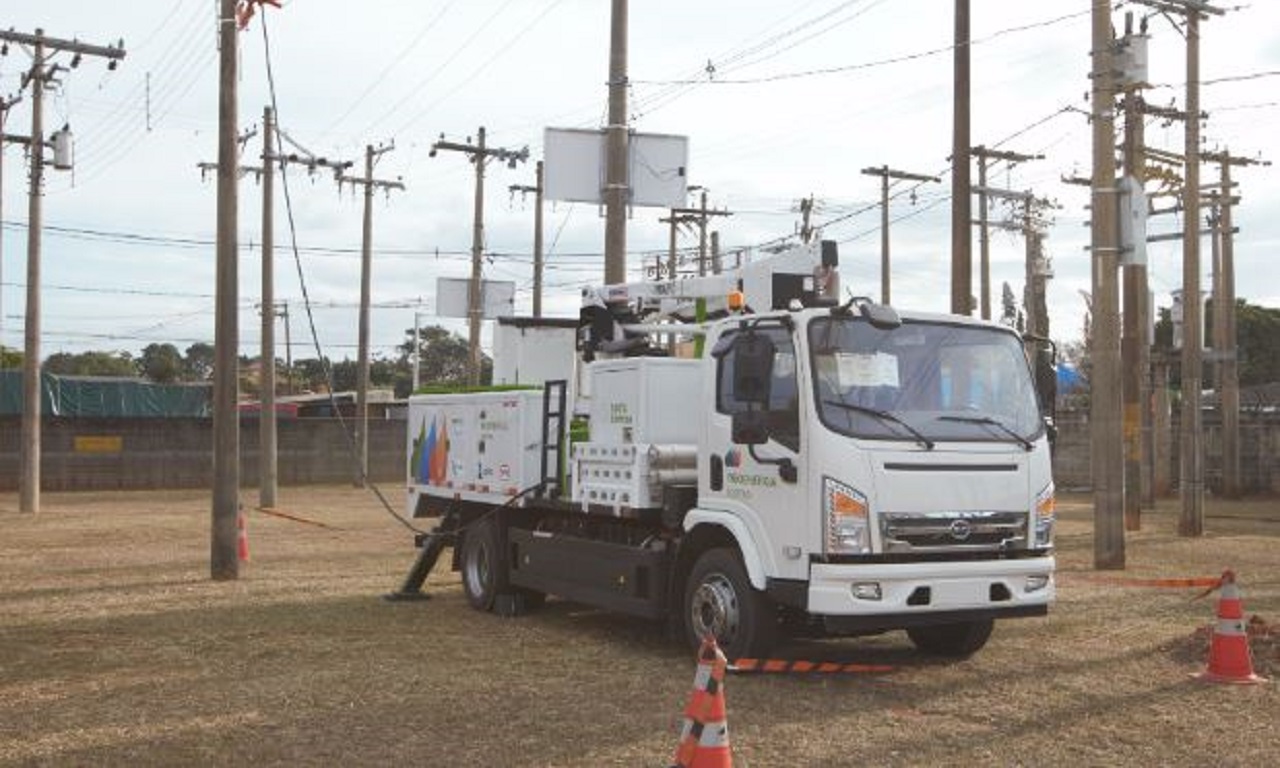

Electric Vehicle Is The Product Of An R&D Project By The Company And Features An Aerial Basket And A Pioneering Technology That Allows Charging Directly On The Electric Grid
Innovation And Electric Mobility Is The Proposal From Neoenergia For Decarbonization. In A Research And Development (R&D) Project, Regulated By The National Electric Energy Agency (ANEEL), An Electric Truck Was Created With An Aerial Basket That Is Also Electrically Driven For Use In The Activities Of Electric Power Distribution Services. The New Vehicle Is The First In The Country To Feature A System That Allows Charging Directly On The Electric Grid, Providing More Efficiency And Autonomy By Not Requiring A Return To Operational Bases For Possible Recharges During The Journey.
The Electric Truck Developed In The Project Also Has Telemetry Technology, Which Allows Monitoring Information About Battery And Routing Of Activities Performed By The Integrated Operations Centers (COI) Of The Distributors. In An Automated And Real-Time Manner, It Is Possible To Calculate The Need For Recharge And The Available Points Along The Route To Perform It.
A Representative From Neoenergia Said:
“This R&D Project Is Part Of An Investment Strategy To Develop Electric Mobility In Brazil Across Various Areas. With Our Electric Truck, We Are Able To Contribute To The Creation Of A New National Product, Innovate In Recharge Management, And Achieve A Safe And Efficient System For Recharges On The Grid Itself,” Says The Corporate Manager Of Research And Development At Neoenergia, José Antonio Brito.
-
1983 Chevrolet Runs Over 100,000 km Without Gasoline, Powered by Wood Chips, Reaches 125 km/h in Airport Test

-
Workshop Converts Giant Tractor Tire Tricycle into a Three-Wheel Drive Hybrid with 36,000-Watt Electric Motor Capable of Climbing Hills

-
Chery Offers Lifetime Battery Warranty and Car Replacement for Major Failures Under New Chinese Regulations
-
Sales of Brazil’s Cheapest Electric Car Halted Before First Deliveries: E-Motors Suspends Emova Easy Due to Import Tax Increase and Rising Freight Costs




The Vehicle Was Developed Based On The T7 Truck From The Manufacturer BYD, Implementing Specific Features According To The Project’s Needs, Highlighting The Opportunity Recharge System On The Distribution Grid Itself. The Charger Installed On The Truck’s Chassis Can Be Connected To Pre-Determined Points On The Distributor’s Electric Grid.
The Availability Of Power On The Grid For Opportunity Recharges Was Studied During The Project Through A Proprietary Methodology. The Equipment Testing Phase Started In The Cities Of Limeira And Mairiporã, In São Paulo, The Concession Area Of Neoenergia Elektro.
“The Electrification Of The Fleet Is One Of The Main Steps For Neoenergia To Achieve The Goal Of Reducing Carbon Emissions Intensity By Up To 50% By 2030, As Part Of Actions To Combat Climate Change. Today, Hybrid And Electric Models Are Already A Reality In The Company’s Fleet And The Development Of The Electric Truck Contributes To The Expansion Of This Strategy For The Operations Of Our Distributors”, Says The Corporate Superintendent Of General Services, William Nascimento.
Sustainable Mobility
The Development Of The Electric Truck Is Part Of Neoenergia’s Sustainable Mobility Program, Which Aims To Expand The Infrastructure For Vehicle Charging And Develop New Solutions. The Strategy Includes The Green Corridor, Another R&D Initiative. This Is The First Electroway In The Northeast, With 18 Charging Stations Installed Along 1,200 Kilometers, Between Bahia And Rio Grande Do Norte.
In Another Research And Development Project, Neoenergia Also Started A Study On The Business Viability Of Electric Mobility In Fernando De Noronha Island. The Initiative Plans To Provide Vehicles For The Tourism Trade, District Administration, And The Operation Of Neoenergia Pernambuco, The Installation Of Charging Stations, And The Construction Of Two Solar Plants To Supply Them With Clean Energy.
Internally, The Company Started In March 2020 The Replacement Of Its Light Vehicle Fleet With Hybrid And Electric Models. Today, There Are 90 Hybrid Vehicles And 63 Fully Electric Vehicles. The Company Installed Charging Stations In Its Administrative Headquarters And, Expanding The Structure, Launched The Green Line Project In 2021 To Install Charging Points At Operational Bases As Well.
Source: Neoenergia Press