






 Portuguese
  Spanish


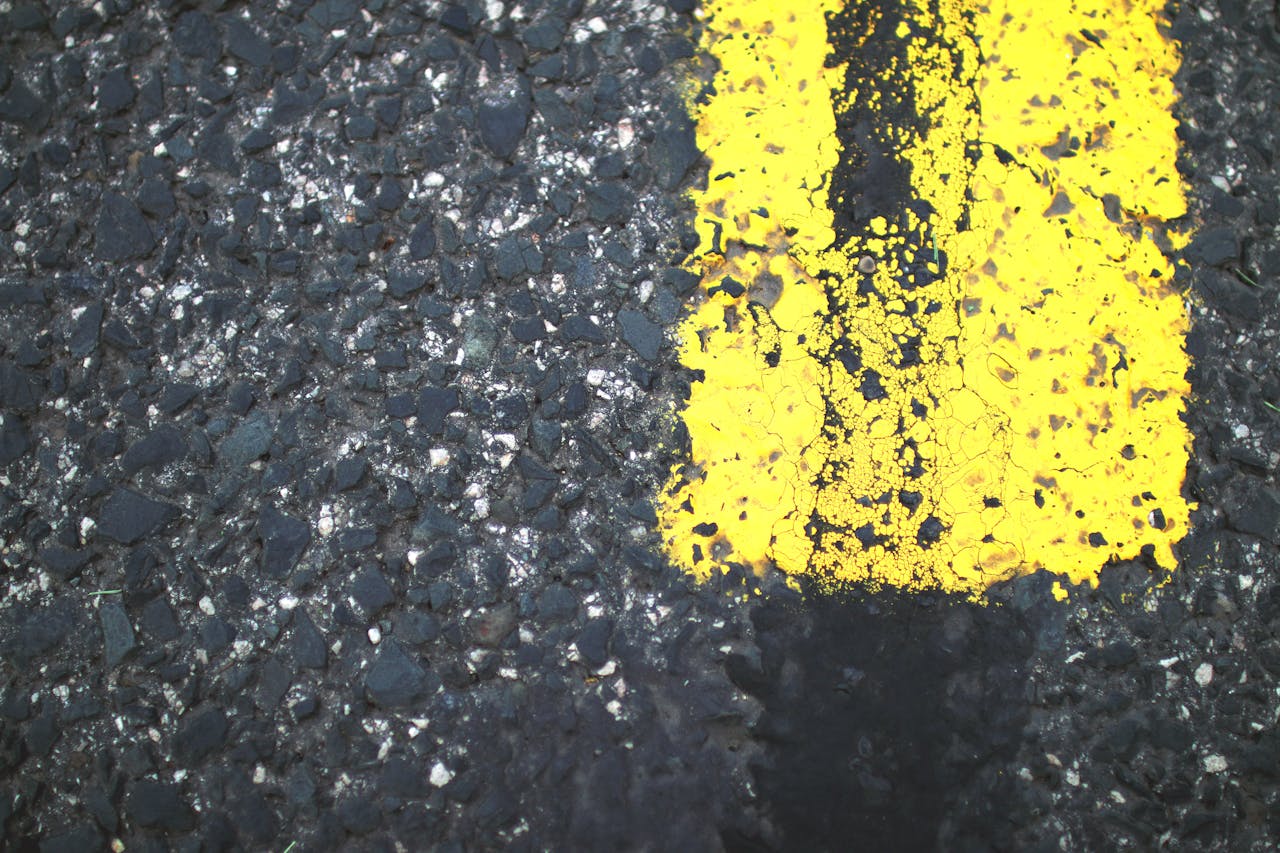

Nepal Starts Using Recycled Plastic on Streets to Make Them More Sustainable. Project Reduces Waste and Improves Urban Infrastructure. See How It Works
On the streets of Nepal, plastic waste is starting to find a new destination. Instead of being discarded or burned, it becomes part of the asphalt structure. Plastic bags, noodle packages, biscuit wrappers. All of this is crushed and mixed into the pavement. The practice, while unusual at first glance, has already been tested in other countries in Asia, Europe, Africa, and America.
The novelty is gaining traction in Pokhara, a city with 600,000 inhabitants and the capital of the Gandaki province. There, the technique is supported by the Green Road Waste Management organization, which advocates the use of synthetic waste as a way to build cheaper and more durable roads. The idea is simple: use plastic waste in the streets to improve infrastructure.
Plastic Waste as Part of the Road
Plastic waste is not thrown on top of the asphalt. It is crushed and incorporated into the material that forms the road. This mixture, according to supporters of the practice, can offer advantages. In addition to reducing the volume of waste, it allows for the reuse of plastics that are typically not easily recycled.
-
China Develops Custom 140-Ton Electric Mining Truck with 770 kWh Swappable Battery, Deploys 290 Units in Xinjiang’s Largest Zinc Mine

-
Meta to Launch Arena, a New Prediction App Targeting 3.56 Billion Users, Competing with Polymarket and Kalshi

-
Scientist Challenges Famous Human Evolution Theory, Argues Homo Sapiens Evolved Gradually Over Thousands of Years
-
15-Year-Old American Builds Ocean Generator with PVC Pipe and 3D-Printed Propeller for $12, Wins National Prize, Presents at White House, and Makes Forbes 30 Under 30 List




Every year, the world produces more than 400 million tons of plastic. A large part of this is disposable packaging. At the same time, millions of kilometers of roads are built or renovated. For some experts and entrepreneurs, combining these two facts seems to make sense.
International Example
The model adopted in Nepal is not unprecedented. Over the past five years, other countries have tested or adopted the technique at various levels. The Philippines, Thailand, South Africa, the Netherlands, the United States, Singapore, and India are on the list.
In India, for example, nearly 40,000 kilometers of rural roads have been built with plastic waste. In the last two years, about 13,000 kilometers were constructed. In Singapore, the idea received support from the Public Works sector.
Now, it is Nepal starting to explore this path. According to an AFP report, the Asian country has already applied the technique on a road in Pokhara. Green Road Waste Management is leading the movement and aims to expand the use of plastic waste on paved streets to more regions.
Ongoing Projects
The founder of the organization, Bimal Bastola, claims that about ten projects have been completed so far, totaling just over 1.5 kilometers of roads. The amount is still modest but represents a promising start.
Each kilometer of road uses, on average, two metric tons of crushed plastic. The idea, according to Bastola, is to move forward with projects in partnership with the government. “We are trying to collaborate closely with the roads office,” he told AFP.
Government Interest
The Nepalese government is observing the progress of the initiative with great interest. Arjun Nepal, an engineer at the Department of Roads in the capital, stated that the country is willing to conduct tests. One of the first should occur later this year at an intersection in Kathmandu.
Despite the willingness, the government requires that the technique meets quality standards. Before any expansion, the results need to be measured. Only then will it be possible to decide whether the practice can be adopted on a large scale.
Notable Advantages of Plastic Waste

Bastola defends the model and sees several benefits. According to him, the technique allows for the reuse of even lower-value plastics, those that are typically not suitable for conventional recycling. “We saw possibilities in using these plastics as raw material, partially replacing tar in road construction,” he states.
The plastic does not completely replace tar, but it is used to coat the pavement components. This, according to Bastola, brings additional advantages. “It prevents water infiltration and increases the lifespan of the road,” he said.
Studies indicate that roads with this type of pavement can last longer than conventional ones. Additionally, the use of plastic reduces the need for other materials, which also represents savings.
Ongoing Evaluations
Despite the promising results, the model is still treated with caution in some countries. The World Bank, for example, acknowledges the potential of the technique but emphasizes that more studies are needed. The available data is still not sufficient to confirm the total effectiveness of the method.
Even so, Nepal’s experience adds to those of other nations such as Bhutan and Bangladesh. All are seeking solutions for excess waste and infrastructure costs.
For now, the pavement with plastic waste in asphalt is advancing at an experimental pace. But the growing interest may indicate new paths for the future of roads.
With information from Xataka.





