Portuguese
  Spanish


Dawa Sherpa faced lack of oxygen, severe dehydration, and frostbite in one of the most dangerous areas of the world’s highest mountain
An extreme survival story on Everest caught international attention after a Nepalese guide was found alive after six days missing. Dawa Sherpa, 57, was trapped on the upper slopes of the mountain on May 30, during one of the last climbs of the spring season. The guide reported, already in the hospital, that he ran out of oxygen, lost strength to walk, and had to chew ice to try to endure. The survival impressed fellow mountaineers and reignited criticism about safety and rescue in the most dangerous areas of Everest.
Extreme survival draws attention on Everest
Dawa Sherpa stated that he did not get lost on the mountain and explained that he fell behind when the oxygen ran out. The situation occurred near the so-called death zone of Everest, where oxygen levels are critically low. The intense cold, lack of food, and dehydration quickly worsened the guide’s condition. Even debilitated, he walked day and night towards the base camp, trying to escape the upper slopes of the mountain.
Ice, chocolates, and snacks helped in resistance
The guide said he spent the first two days without eating anything. After that, he began to chew ice to try to stay alive, even feeling severe pain in his teeth. Dawa also mentioned that he used chocolates and small snacks he carried in his pockets. To be able to ingest the food, he moistened the items before eating.
-
Thailand Converts 8 Tons of PET Bottles into 3,500 School Backpacks, Showcasing Circular Economy with Over 40 Factories Involved

-
Mysterious Bats Spotted in Paris’s Père Lachaise Cemetery, Drawing Tourists to the “Vampire Cemetery”

-
From Selling Street Food to Leading a $300 Million Construction Firm: The Journey of a Brazilian Entrepreneur

-
Abandoned Penthouse in Houston Reveals Million-Dollar Suite with 24-Karat Gold, Tiffany Crystals, and Opulence Even Elvis Might Have Snubbed




Rescue occurred after six days missing
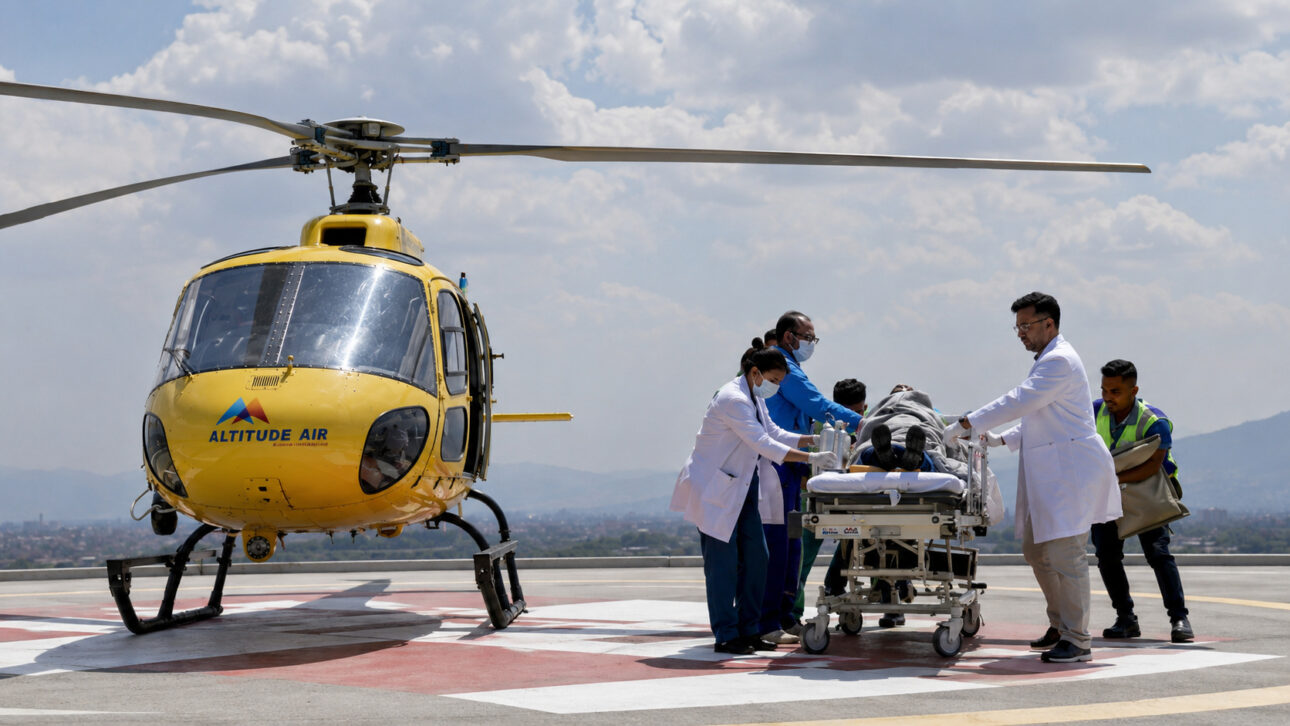
Dawa Sherpa was found on June 4, crawling towards the base camp. Soon after, he was flown to Kathmandu, where he received medical care. According to doctors, he had frostbite, severe dehydration, and a femur fracture. His son, Mendo Lhamu Sherpa, told AFP that his father was well and talking.
Case generates criticism of the rescue operation
The survival brought relief among family members and mountaineering companions, but also generated outrage. The president of the Nepal Mountaineering Association, Fur Gelje Sherpa, described the case as extraordinary. He also stated that leaving a person behind is “irresponsible and inhumane.” The leader advocated for the formation of an investigation committee to determine responsibilities.
Busy season reinforces mountain risks
This year’s Everest climbing season recorded at least five deaths, including two Indian climbers and three Nepalese. Preliminary figures from the Nepalese government indicate that more than a thousand climbers reached the summit this season. The period, therefore, has become one of the busiest ever recorded on the mountain. The case of Dawa Sherpa reinforces the risks faced by guides and climbers in the highest regions of Everest.
Extreme risks remain at the center of the debate
The so-called death zone of Everest concentrates some of the greatest dangers of mountaineering, especially due to the lack of oxygen, severe cold, and physical exhaustion. Dawa Sherpa’s experience once again exposed the vulnerability of those who work and climb at high altitudes. Criticism of the rescue also broadened the debate on responsibility, support, and safety in expeditions.
How can a person endure for six days in one of the most lethal areas on the planet?