





 Portuguese
  English
  Spanish
  6 min of reading
  0 comments


Between compact hatch and entry-level SUV, Hyundai’s new national model arrives with adventurous looks, extensive technology package, and prices close to the HB20, targeting consumers seeking larger size, connectivity, and 1.0 engines in a range still below the Creta.
Hyundai launched in Brazil the i20 2027, a new national model produced in Piracicaba (SP), with an initial price of R$ 99,990 and positioned between the HB20 and the Creta within the brand’s portfolio.
According to Quatro Rodas, the car was presented in June 2026 as an entry-level crossover, with a body larger than the compact hatch and versions equipped with a 1.0 aspirated engine or 1.0 turbo flex with 115 hp.
Produced in the same industrial complex as the HB20 and Creta, the i20 marks Hyundai’s first national launch in nine years, considering the debut of the compact SUV manufactured by the company in Brazil.
-
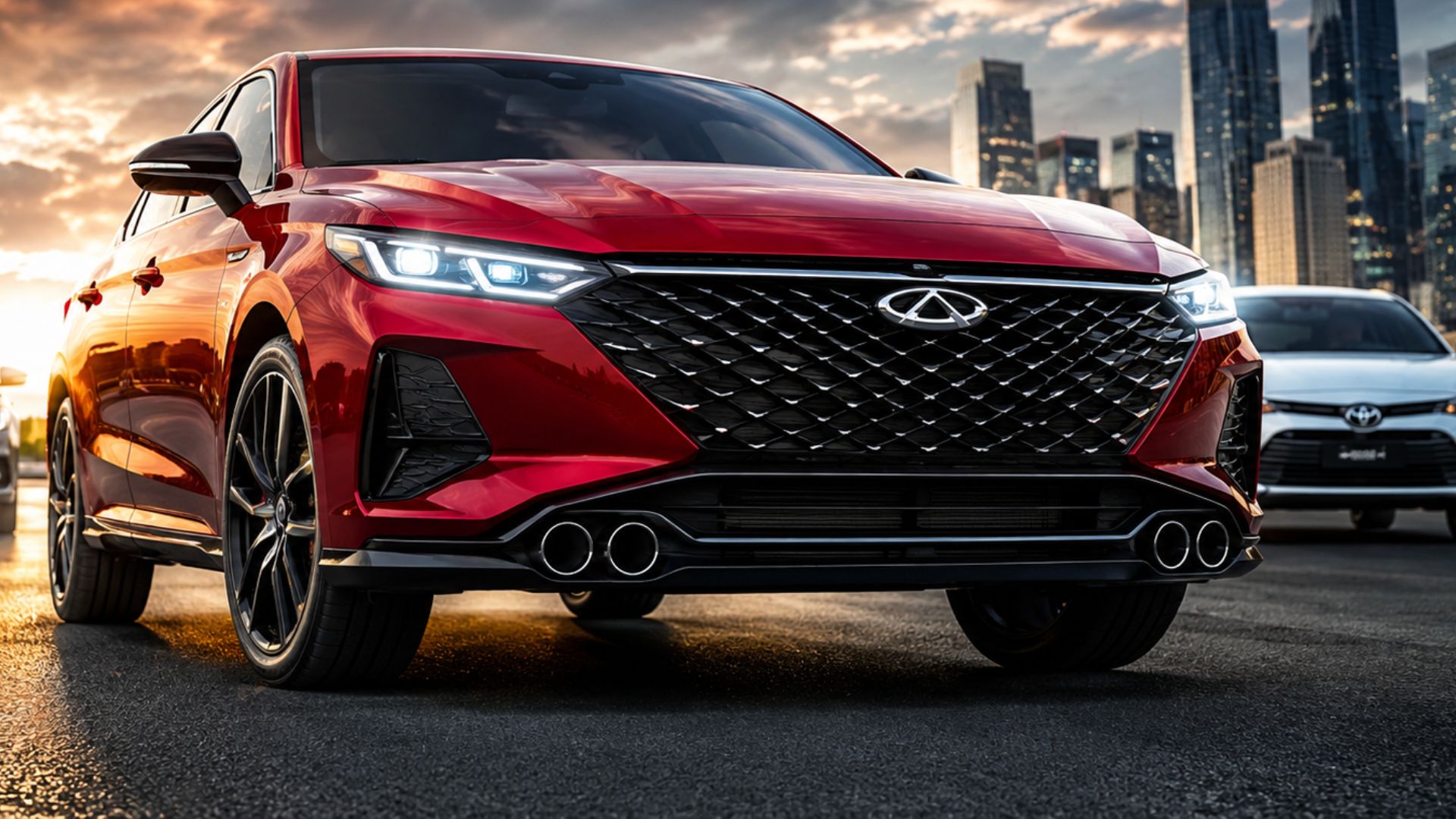
More powerful than the Jetta GLI and with more space than the Toyota Corolla: the new Chery Arrizo 8 emerges with up to 257 hp, 40.8 kgfm, 2.79 m wheelbase, quad exhaust, and a price equivalent to R$ 76,000 in China.

-
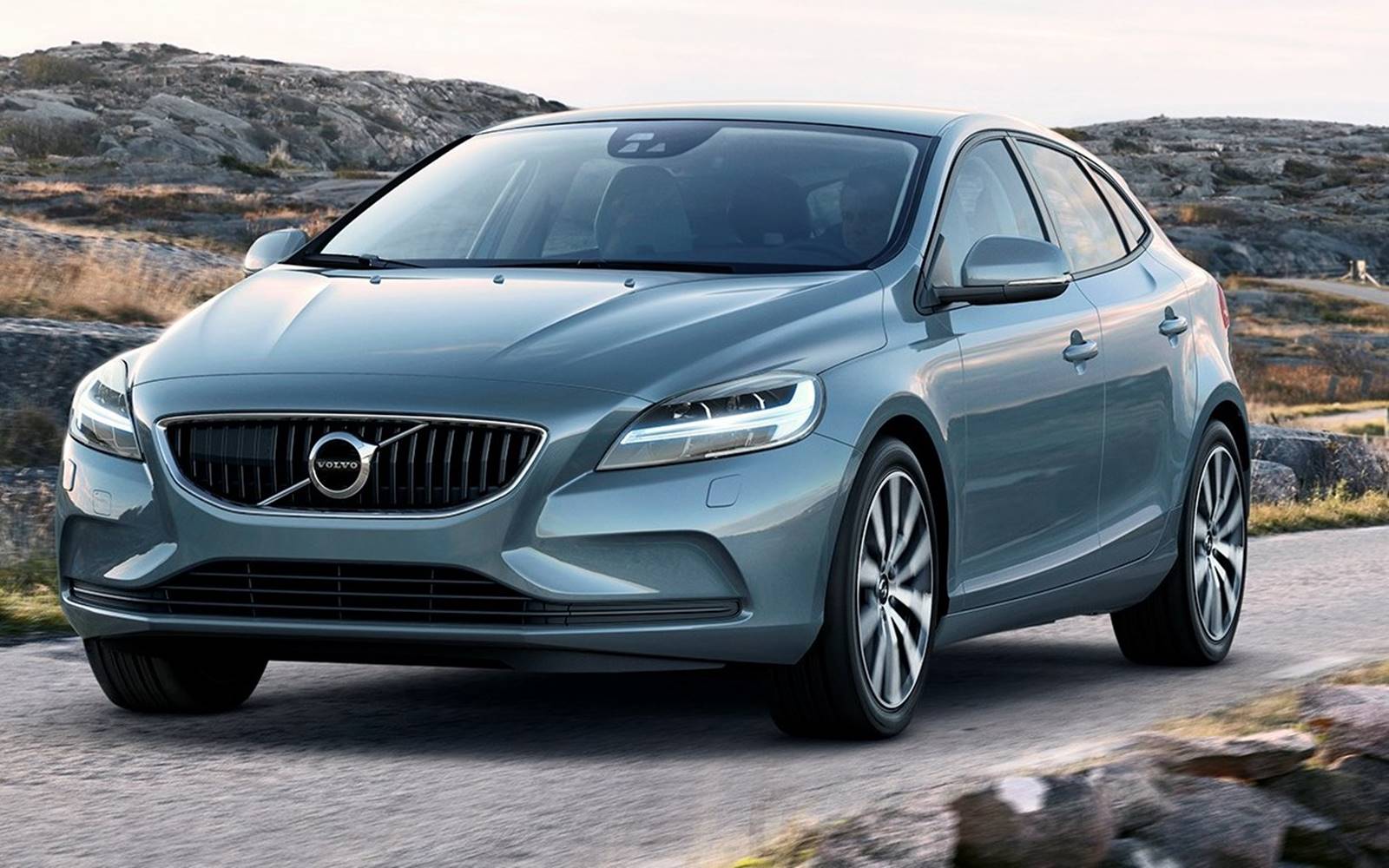
Cheaper than Fiat Pulse, Renault Kardian, and Volkswagen Tera: with a 2.0 turbo engine of 190 hp, 30.6 kgfm torque, automatic transmission, and Swedish safety package, this premium hatch delivers sports car performance at the price of a new compact: meet the Volvo V40 T4 Momentum 2017.

-
Cheaper than a new Mobi and a Polo: with a 1.8 engine of up to 139 hp, 6-speed Aisin automatic transmission, 300 liters of trunk space, and a complete equipment package, this hatch stands out for its performance and cost-effectiveness for those seeking sportiness without spending too much. Meet the Fiat Argo HGT 2018.

-
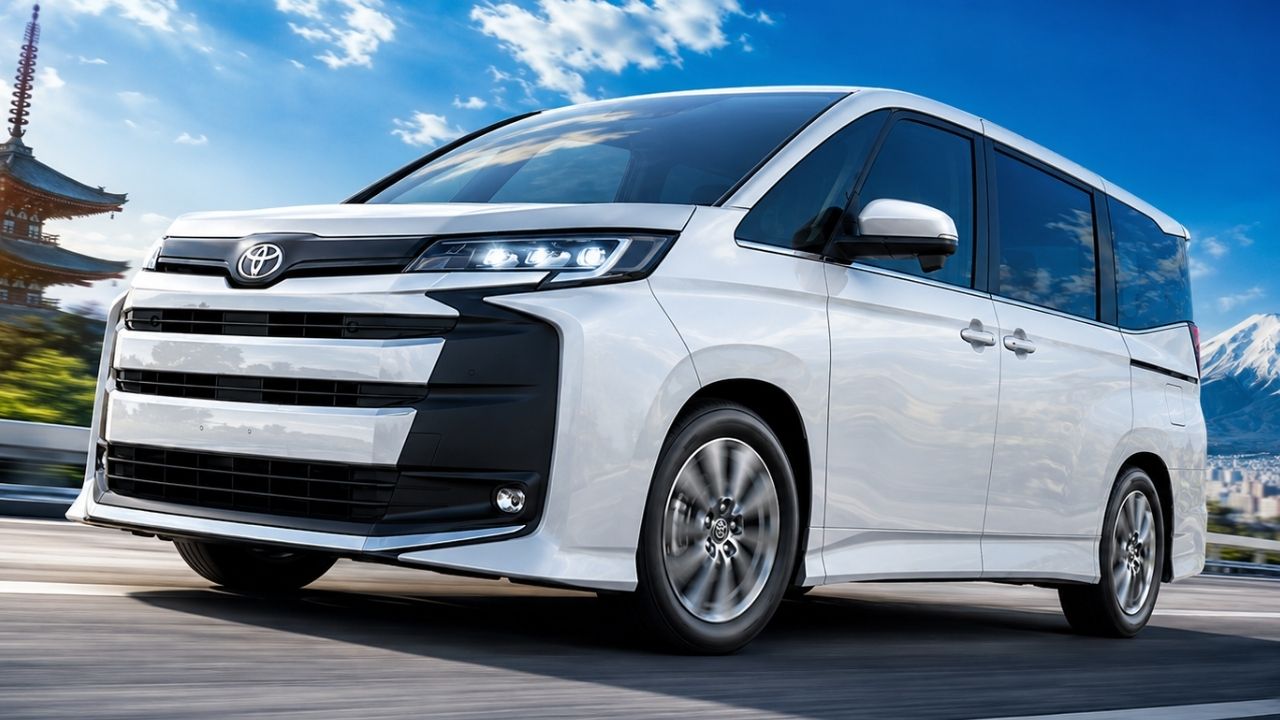
Toyota launches “family hybrid van” with 7 or 8 seats, 1.8 hybrid engine, fuel consumption of up to 23.8 km/l, and a price equivalent to about R$ 104,000 without taxes, below the Tiggo 8 Pro Plug-in Hybrid sold in Brazil: meet the Noah Hybrid 2026 in Japan.

Within the automaker’s commercial strategy, the model caters to a range of consumers seeking dimensions larger than the HB20, visuals associated with SUVs, and an entry price below that of the Creta.
New Hyundai i20 sits above the HB20
The range of the new i20 will consist of six commercial configurations, distributed across five trim levels, with options for a manual 1.0 aspirated engine and a 1.0 turbo engine with automatic transmission.
In the price list released by the brand, prices start at R$ 99,990 for the Comfort 1.0 manual version and reach R$ 139,990 for the Ultimate 1.0 turbo automatic, the top of the line.
The list includes Comfort 1.0 MT for R$ 99,990, Limited 1.0 MT for R$ 104,990, Limited 1.0 Turbo AT for R$ 125,990, X Line 1.0 Turbo AT for R$ 128,990, Platinum 1.0 Turbo AT for R$ 134,990, and Ultimate 1.0 Turbo AT for R$ 139,990.
Compared to the HB20, the i20 shows a price difference between R$ 2,500 and R$ 4,700, depending on the compared configuration and the mechanical set available in each version.
In the Comfort manual version, for example, the new model costs R$ 3,850 more than the HB20 Comfort 1.0 MT, while the Platinum turbo automatic is R$ 2,500 above the equivalent hatch.
Dimensions place i20 against Pulse, Kardian, Tera, and Sonic
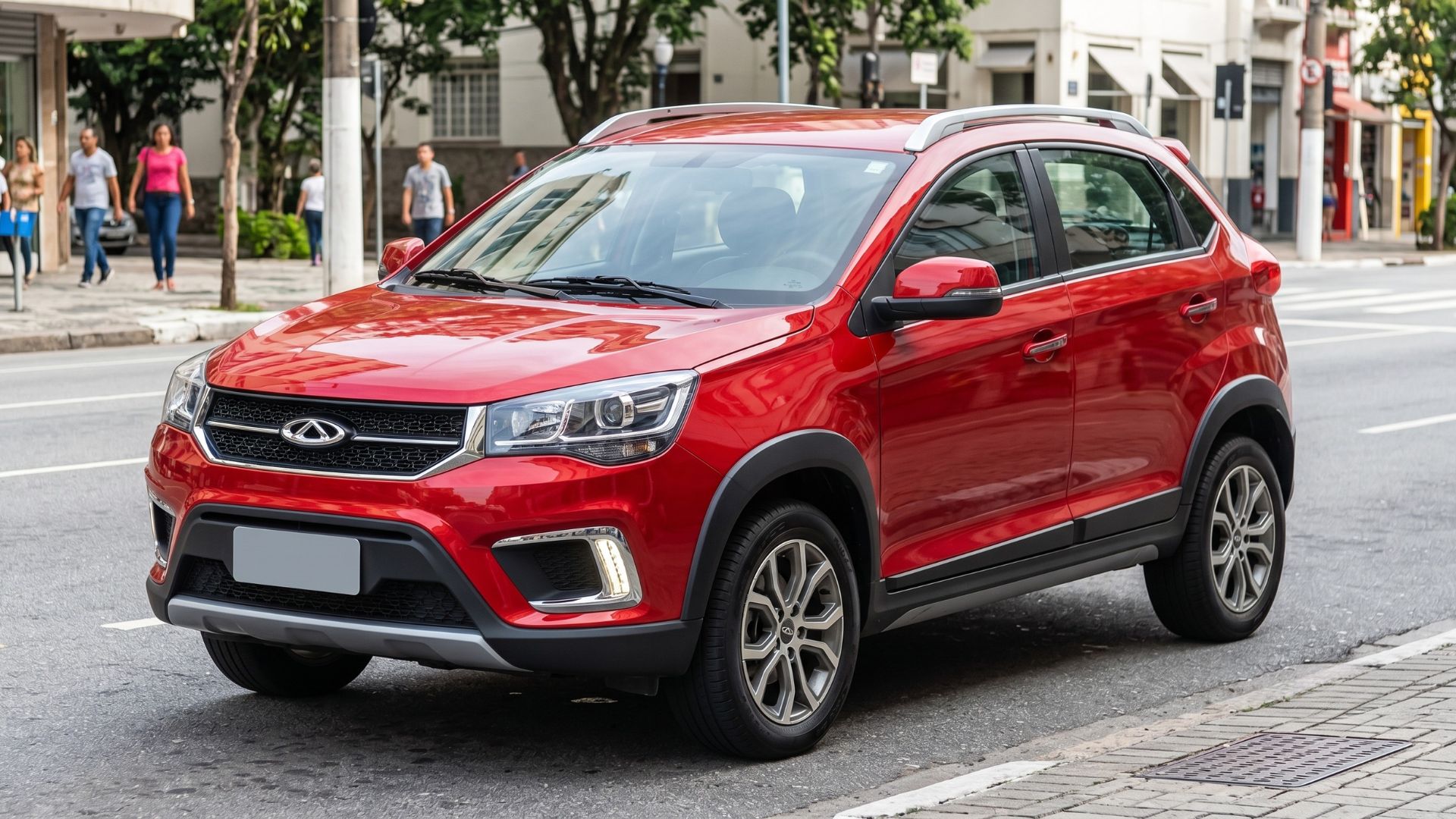
Although classified by Hyundai as a crossover, the i20 maintains measurements close to a raised hatch, with dimensions larger than the HB20 and a proposal to compete for space among entry-level compact SUVs.
The model measures 4.13 m in length, 1.78 m in width, 1.50 m in height, and 2.58 m in wheelbase, numbers that surpass those of the HB20 in all these indicators.
With this size, the Hyundai starts to compete in a range occupied by models like Fiat Pulse, Renault Kardian, Volkswagen Tera, and Chevrolet Sonic, according to the comparison made by Quatro Rodas.
According to the publication, the i20 is 3 cm longer than the Pulse, 2 cm shorter than the Tera, and has a wheelbase superior to the rivals mentioned in the comparative analysis.
In the trunk, the reported capacity is 346 liters, a volume close to the 350 liters of the Volkswagen Tera and lower than the 392 liters declared for the Chevrolet Sonic.
The Fiat Pulse appears with 320 liters in the measurement considered by the report, although the manufacturer reports 370 liters by adopting another standard of measurement to disclose the compartment’s capacity.
1.0 turbo engine delivers 115 hp
In the Comfort and Limited versions with manual transmission, the i20 uses the 1.0 Kappa naturally aspirated three-cylinder engine, the same type of setup offered in the entry-level configurations of the HB20.
This engine delivers 80 hp and 10.2 kgfm when fueled with ethanol, while the use of gasoline reduces the numbers to 75 hp and 9.6 kgfm, always with a six-speed manual transmission.
Starting from the Limited automatic, the line adopts the 1.0 Turbo GDI flex three-cylinder, 12-valve, direct injection engine, exclusively associated with a six-speed automatic transmission.
The turbo setup develops 115 hp at 6,000 rpm with ethanol or gasoline, in addition to a maximum torque of 17.5 kgfm, delivered at different rpm ranges depending on the fuel used.
According to the data from the Brazilian Vehicle Labeling Program cited by Quatro Rodas, the i20 turbo records 8.8 km/l in the city and 10.1 km/l on the highway when fueled with ethanol.
With gasoline, the reported consumption for the turbo engine rises to 12.6 km/l in urban use and 14.3 km/l on road trips, according to the numbers attributed to the PBEV.
Among the naturally aspirated versions, the i20 1.0 manual records 9.6 km/l in the city and 10.2 km/l on the highway with ethanol, as well as 13.7 km/l and 14.8 km/l with gasoline, respectively.
Visual debuts Hyundai’s new language
The national i20 introduces the global visual language Art of Steel in the country, with a lighting signature called “H-Architecture,” according to the description made for Hyundai’s new design phase.
The visual solution uses continuous LED bars at the front and rear, connecting the optical sets and creating a unique identity for the model within the brand’s Brazilian lineup.
To reinforce the crossover classification adopted by Hyundai, the car received black frames on the wheel arches and a lower trim on the rear bumper with a metallic protector appearance.
In the Ultimate version, the external lighting includes a continuous front strip and LED headlights with a projector, comprising the most complete visual package among the configurations planned for the launch.
The color palette includes Onyx Black, Atlas White, Shadow Gray, Brisk Silver, Sand Silver, Silk Gray, Sapphire Blue, and Lumina Gray, distributed among solid, metallic, and pearlescent options.
The launch also includes the OTA remote update system via Bluelink, a technology that allows receiving software improvements in the multimedia center without the need to visit the dealership.
Equipment varies according to the version
From the entry-level version, the i20 comes with six airbags, stability and traction controls, hill-start assist, manual air conditioning, electric steering, cruise control, electric windows, and a 10.25-inch multimedia center.
The connectivity system includes wireless Android Auto and Apple CarPlay, as well as Bluelink, which brings together remote features and becomes part of the technological offering of the new national crossover.
In the Limited configuration, the list includes 16-inch alloy wheels, tire pressure monitoring, a rear camera, a rear sensor, and the first features of the SmartSense package.
Among the assistance items of this version are autonomous braking, pedestrian and cyclist alert, lane centering, and fatigue detector, resources aimed at driving support in different usage situations.
The X Line version focuses on visual differentiation, with 17-inch black wheels, darkened mirrors, specific badges, gray synthetic leather seats, door sills, rubber mats, and a keyless entry system.
This configuration also includes air conditioning vents and USB ports for the rear seat, as well as a numbered plaque on the console and external details applied in glossy black.
In the Platinum, the package adds automatic headlights, LED taillights, disc brakes on all four wheels, electronic parking brake, Auto Hold, digital air conditioning, induction charger, and foldable mirrors.
The same version adds adaptive cruise control with Stop & Go, expanding the offer of driving assistance features compared to the configurations positioned below in the range.
At the top of the line, the Ultimate includes two 12.3-inch screens, LED headlights with a projector, paddle shifters on the steering wheel, and the most comprehensive safety equipment package available for the model.
Among the systems of the most expensive configuration are blind spot alert, rear cross-traffic alert, safe exit, adaptive high beam, and autonomous braking with left-turn function.



Be the first to react!