






 Portuguese
  Spanish


Architectural milestone in Barcelona brings together faith, engineering, and historical memory by taking the Sagrada Família to the final height envisioned by Antoni Gaudí, in a stage that completes the central tower, but still maintains urban debates and pending works around the basilica.
The Sagrada Família in Barcelona reached the maximum height envisioned for Antoni Gaudí’s project in 2026, 144 years after the start of construction, with the completion of the Tower of Jesus Christ and the installation of the cross that takes the basilica to 172.5 meters. The blessing and inauguration ceremony was held on June 10, 2026, presided over by Pope Leo XIV, in the year marking the centenary of the Catalan architect’s death.
With the new tower, the basilica was described by Reuters as the tallest temple in the world and completed the central structural stage of the set of 18 towers conceived for the building. However, the work was not fully completed, as the Glory Facade, the main staircase, and other interventions are still under discussion and maintain work fronts planned for the coming years.
Tower of Jesus Christ changes the horizon of Barcelona
The Tower of Jesus Christ occupies the center of the project and is the tallest of the six central towers of the Sagrada Família, located above the altar and crowned by a three-dimensional cross with four arms. According to the basilica itself, the structure reached its maximum point in February 2026, when the upper arm of the cross was installed and completed the exterior execution of the tower.
-
Crab Trapped in Plastic Bottle for 62 Days Near Okinawa Highlights Little-Known Impact of Marine Pollution on Small Animals

-
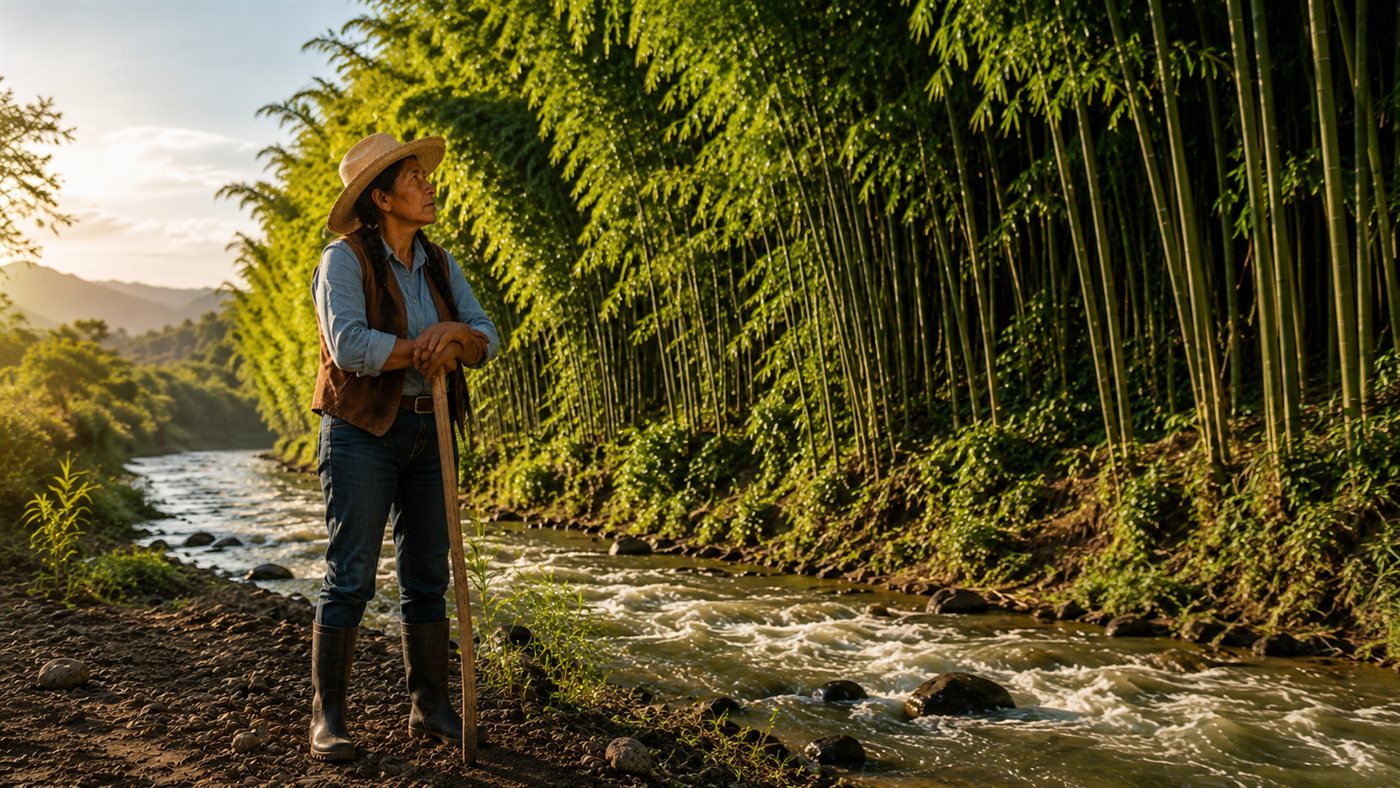
Esperanza’s Bamboo Barrier in Oaxaca Redirects River and Reduces Erosion by 85% in Five Years

-
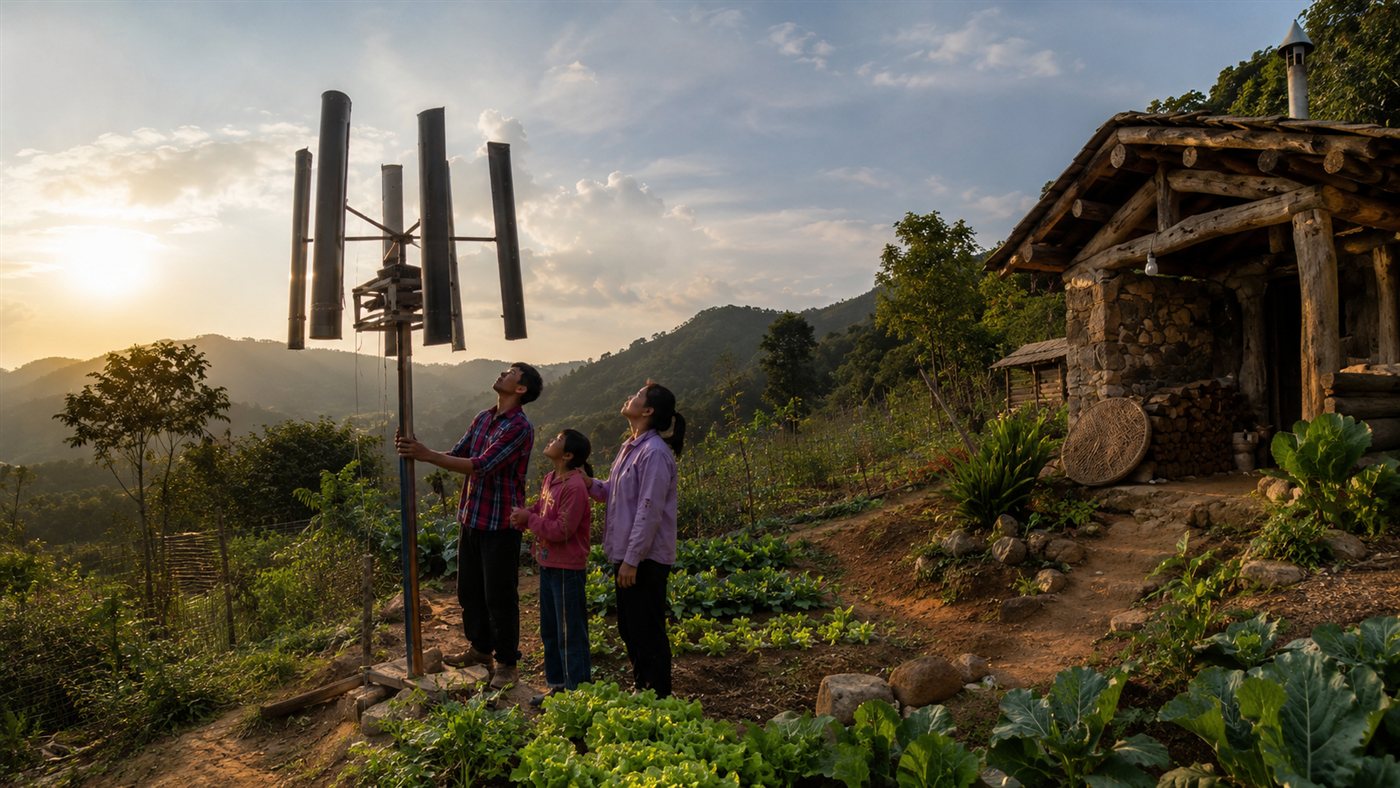
Family Builds Homemade Wind Turbine to Power Off-Grid Home, Video Reaches 555,000 Views on Ngô Thị Huyền’s Channel
-
Indian Brand Creates Sneakers from Recycled PET Bottles and Discarded Tires, Repurposing Over 1 Million Bottles and Raising $4 Million for Expansion



The final set is 172.5 meters, a measurement associated with Gaudí’s plan to keep the temple below Montjuïc mountain, one of Barcelona’s natural landmarks. The cross, described by the Sagrada Família as a piece 17 meters high and 13.5 meters wide, received a white coating of glazed ceramic and glass.
In the final stage, the adopted solution combined concrete, steel, white ceramic, and glass in a manufacturing and assembly process compatible with current standards and technical resources. The Sagrada Família reported that the panels of the Tower of Jesus Christ began to be installed in 2018, from 85 meters high, until the completion of the upper structure.
From Gaudí to digital engineering
The Sagrada Família began construction in 1882, initially under the responsibility of Francisco de Paula del Villar, before Gaudí took over the project the following year and broadly altered the original proposal. From this change, the temple began to gather religious symbolism, forms inspired by nature, complex geometric solutions, and architectural elements that defined the visual identity of the basilica.
Gaudí died in 1926, after being hit by a tram in Barcelona, after dedicating the last decades of his life almost exclusively to the basilica. The architect saw only one tower completed and left models, drawings, and working methods used as a reference by later generations of architects, craftsmen, and engineers.
Part of this material was destroyed in 1936, during the Spanish Civil War, when the architect’s crypt and workshop were attacked. The subsequent reconstruction relied on photographs, fragments of models, preserved documents, and technical analyses conducted by specialists who sought to interpret the structural logic developed by Gaudí.
In recent decades, the advancement of the work has incorporated modeling software, prefabricated pieces, and industrial cutting and assembly methods. Even so, the Construction Board states that the execution maintains the system left by Gaudí, based on precise geometries, curved surfaces, and branching columns.
Inauguration on the centenary of Antoni Gaudí
The blessing of the tower by Pope Leo XIV took place in a solemn mass held at the basilica on June 10, 2026, a date chosen to coincide with the 100th anniversary of Gaudí’s death. The act brought together religious authorities, institutional representatives, and the public in Barcelona, in a ceremony linked to the architect’s centenary program.
According to Reuters, the papal visit also gave international visibility to the Sagrada Família and the completion of the Tower of Jesus Christ. The construction, consecrated as a basilica by Benedict XVI in 2010, was already among Spain’s main tourist attractions before the completion of the central tower.
The most recent figures released by Sagrada Família itself indicate that the temple received 4,877,567 visitors in 2025, an increase of 0.91% compared to the 4,833,658 recorded in 2024. The revenue from tickets, combined with donations, supports a work financed without relying on direct public budget, according to the management model presented by the institution.
Glory Facade still challenges Barcelona
Even after the completion of the Tower of Jesus Christ, the basilica remains under construction and still depends on the definition of stages associated with the main access. The main pending front is the Glory Facade, planned by Gaudí as the main entrance to the temple and today related to urban debates around the construction.
The proposal for a large staircase in front of the facade generates resistance among residents and merchants in the area, as it may require interventions in properties located in front of the basilica. Reports from the Catalan press indicate that the Barcelona City Council and representatives of the neighbors have opened negotiations, but there is still no definitive solution for the potentially affected residents.
This scenario shows that the end of the tallest tower does not equate to the complete closure of the Sagrada Família. The silhouette planned by Gaudí has reached the maximum point foreseen, while the relationship between the monument, the city, and those who live around it will still depend on technical, urban, and social agreements.


