






 6 min of reading
  0 comments


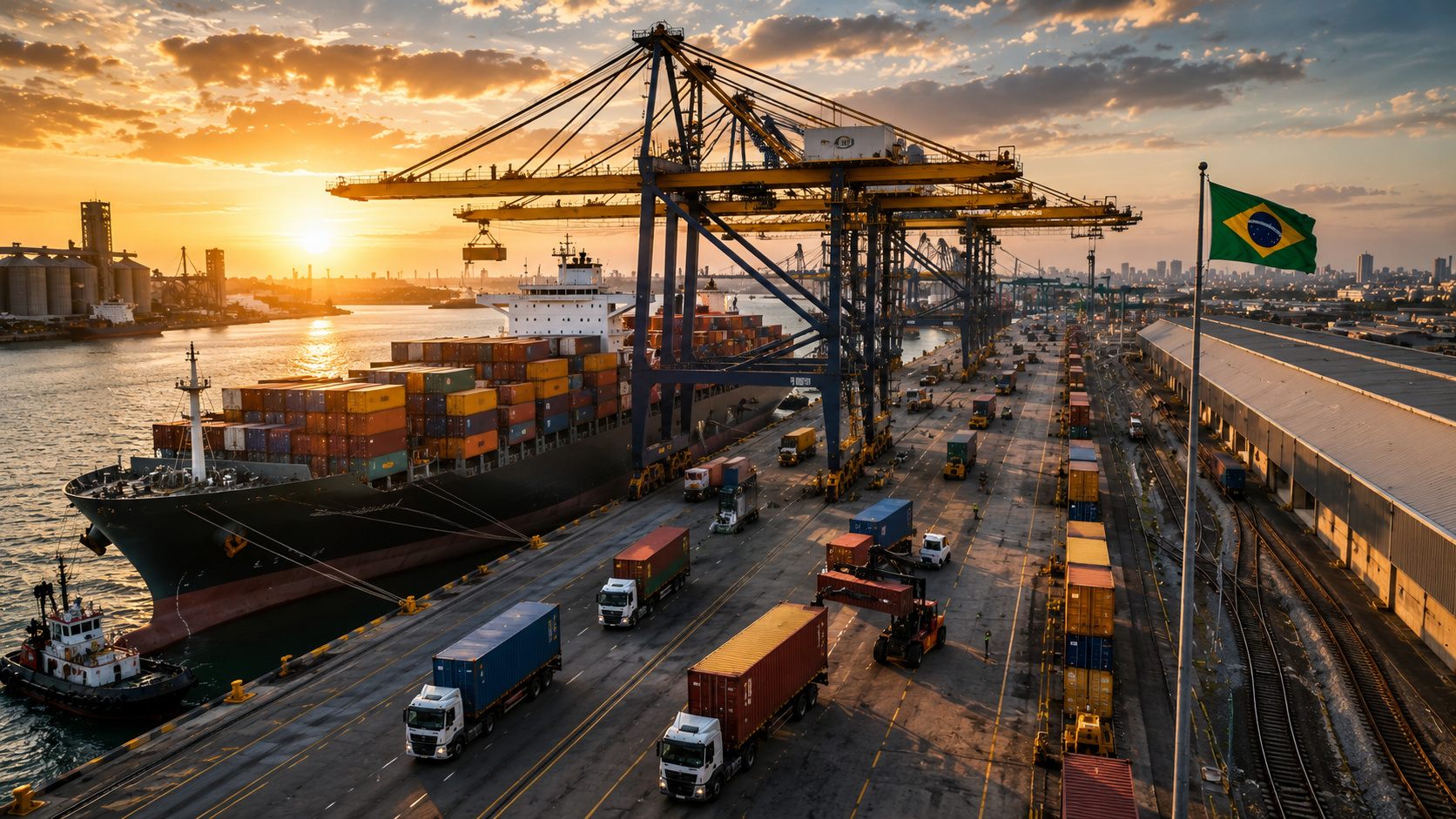
Government approves R$ 5.1 billion for nine port projects in Brazil, impacting Santos, Pecém, Paranaguá, and generating 5.3 thousand jobs.
In February 2026, the Ministry of Ports and Airports approved a new investment portfolio that repositions Brazilian ports at the center of the national logistics strategy. During the 12th Extraordinary Meeting of the Board of Directors of the Merchant Marine Fund, the government authorized nine projects aimed at expanding and modernizing port infrastructure, totaling R$ 5.1 billion in investments and an estimated 5,346 direct jobs. The information was officially released by the federal government on February 13, 2026.
The projects span different regions of the country and range from modernizing strategic terminals in Santos to new storage systems in Northern Brazil. The portfolio also includes expansions in Paranaguá, Pecém, Santana, and Aratu, reinforcing the government’s attempt to increase operational capacity, reduce logistical bottlenecks, and prepare Brazilian ports for the growth of foreign trade in the coming years.
The approved package does not represent isolated works alone. It signals a new round of strengthening Brazilian maritime infrastructure at a time when the country is trying to increase logistical competitiveness in the face of advancing international corridors in Asia and South America. Continue reading to understand which ports will receive the largest contributions and why these investments could change Brazil’s logistical map.
-
Ports without drivers and cabins already move containers like automated factories: robotic cranes, autonomous electric vehicles, and software transform giant terminals into 24-hour logistics machines.

-
About 300 American ports still breathe diesel from trucks, cranes, and locomotives, but they are now trying to electrify heavy machinery to clean the air for 31 million nearby residents.

-
A 220-meter giant powered in part by solar energy and lithium batteries has just unloaded nearly 5,000 Chinese cars at the Port of Itajaí. It is the first of ten Grimaldi super ships and the first in the world prepared to run on ammonia as fuel.

-
The Port of SC has just entered the direct route to the largest hubs in Northern Europe with a new line from Maersk, gains a connection with Manaus in 13 days, and is preparing dredging to receive giant ships of up to 16,000 containers.


Port of Paranaguá leads billion-dollar portfolio with R$ 1.14 billion project for expansion of PAR-09 terminal
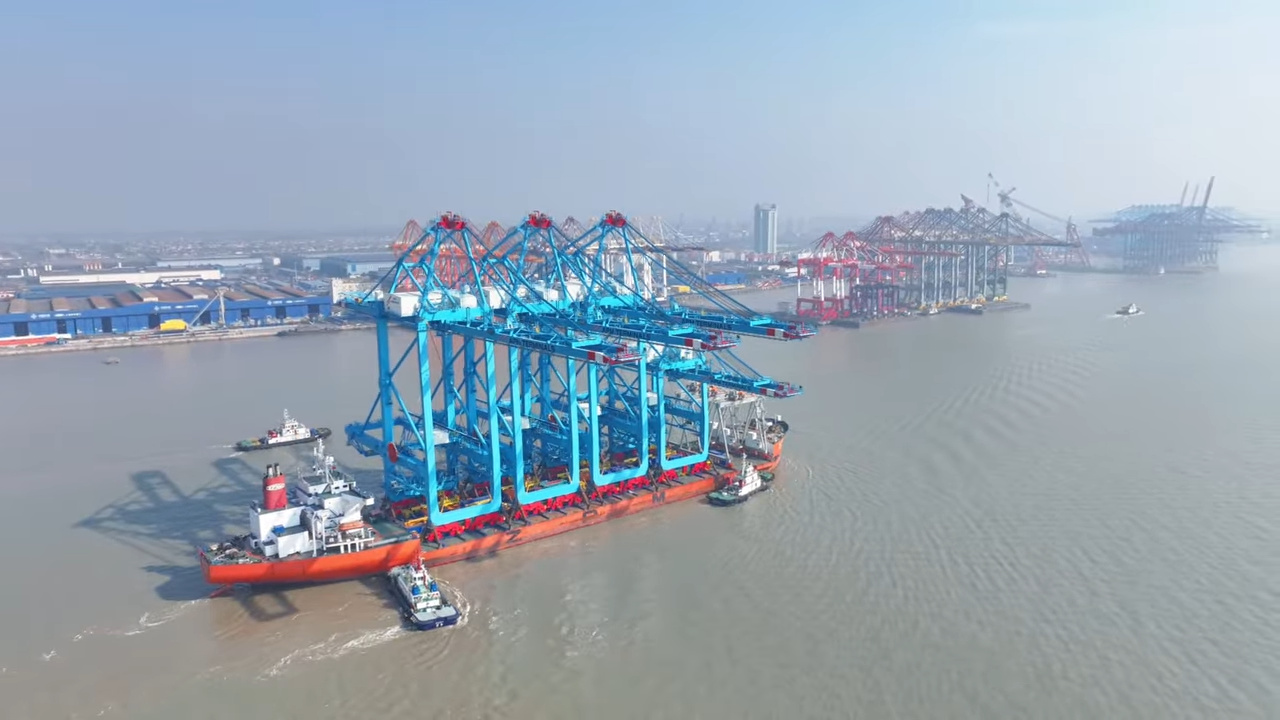
The largest individual investment approved by the Board of Directors of the Merchant Marine Fund was concentrated in the Port of Paranaguá. Terminal PAR-09 received authorization for expansion and modernization with an anticipated investment of R$ 1.14 billion, making it the main financial axis of the new port portfolio approved by the federal government.


In addition to the financial volume, the project also stands out for its projected generation of approximately 1,200 direct jobs. The central objective is to expand operational capacity, accelerate cargo movement, and modernize structures already operating in one of the main corridors for Brazilian agribusiness exports.
The port in Paraná holds a strategic position in the outflow of soybeans, corn, meal, and fertilizers. Any increase in efficiency in Paranaguá has a direct impact on agricultural exports and the reduction of logistical costs on a national scale.
Port of Santos receives terminal modernization in critical area of Brazilian logistics
The Port of Santos, Latin America’s largest port in terms of cargo movement, also appears among the main beneficiaries of the approved portfolio. Terminals 16 and 17, linked to the lease agreement of Operator CLI Sul, received authorization for modernization with an estimated investment of R$ 678.2 million.
The project aims to increase operational efficiency in a region historically pressured by the growing flow of containers and general cargo. Santos concentrates a significant portion of Brazilian exports and imports, functioning as the main maritime link between the country and international markets.
The modernization of the terminals is considered strategic because Santos faces recurring structural bottlenecks, especially during peak periods of agricultural and industrial movement. Increased operational capacity can reduce queues, enhance productivity, and improve the port’s competitiveness against other international hubs.
Port of Pecém enters expansion radar with almost R$ 800 million for new private terminal
In the Northeast, the Port of Pecém emerges as one of the major expansion hubs in the new round of investments. The government approved approximately R$ 795.1 million for the implementation of a new Private Use Terminal linked to Nordeste Logística.
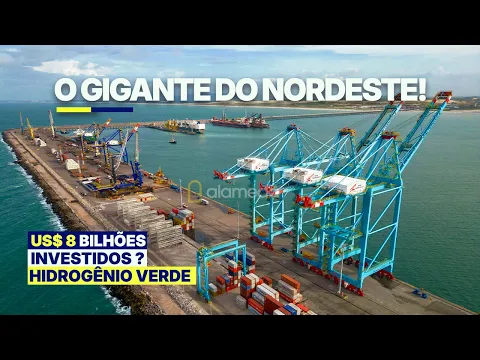
According to official data, the venture has the potential to generate approximately 1,000 direct jobs. Pecém has been consolidating a strategic position in the Northeast due to its proximity to international maritime routes and its capacity for integration with industrial and energy projects.
The Ceará port has also been increasing its participation in operations related to green hydrogen, renewable energy, and container handling, factors that increase its weight within national logistics policy.
Port of Santana expands structure in the North to strengthen the Northern Arc corridor
The Port of Santana received authorization for an investment of approximately R$ 127.8 million aimed at implementing storage and dispatch systems.
Despite being smaller compared to projects in the South and Southeast, the investment has strategic relevance within the expansion of the so-called Northern Arc, a logistics corridor increasingly used for the export of Brazilian grains.
The region has been gaining importance by reducing transport distances compared to traditional ports in the Southeast, decreasing operational costs and travel time for agricultural cargo produced in the Midwest.
Port of Aratu receives new silos and structural improvements in Bahia
In Bahia, the Port of Aratu was also included in the portfolio approved by the Merchant Marine Fund. The projects involve new silos and operational and structural improvements, reinforcing the logistics capacity of the Bahian terminal.

Aratu plays an important role in the movement of mineral bulk, chemical products, and industrial cargo. The structural expansion seeks to increase storage efficiency and reduce operational limitations in one of the main terminals in the Northeast focused on heavy industry.
Merchant Marine Fund returns to the center of port infrastructure policy
All approved projects are part of operations financed by the Merchant Marine Fund, a federal instrument administered by the Ministry of Ports and Airports.
The fund acts as the main financing mechanism for naval and port infrastructure in the country. According to current rules, projects can receive financing of up to 90% of the total value, with operations carried out by institutions such as BNDES, Banco do Brasil, Caixa Econômica Federal, Banco da Amazônia, and Banco do Nordeste.
After approval by the board, companies have up to 450 days to formalize financing contracts.
Government tries to accelerate logistics competitiveness amid global dispute for trade routes
The approved investments occur at a time of intense international competition for logistics efficiency. Asian countries and strategic Pacific hubs are rapidly expanding port capacity, while South America tries to reduce historical infrastructure bottlenecks.
In recent years, projects such as the Chancay megaproject in Peru have increased competitive pressure on Brazilian ports by offering faster routes between South America and Asia.
In this scenario, port modernization has ceased to be merely a regional issue and has become a strategic theme of national competitiveness. More efficient ports reduce export costs, accelerate imports, and expand the capacity to attract private investments.
Port expansion can alter industrial chains, agribusiness, and foreign trade
The impacts of the new portfolio are not limited to the maritime sector. The advancement of port infrastructure directly affects industrial chains, agribusiness, mining, import of inputs, and export of commodities.
Ports with greater operational capacity can reduce ship waiting times, increase cargo productivity, and decrease logistics costs throughout the economic chain.
Additionally, port regions frequently attract new industrial investments, logistics centers, warehousing, and distribution operations, creating a multiplier effect on employment and revenue.
The figures approved by the government show a clear attempt to accelerate this process. The challenge now will be to transform authorizations and funding into effectively completed works, something that historically faces regulatory, environmental, and financial delays in Brazil.







Be the first to react!