






 Portuguese
  Spanish


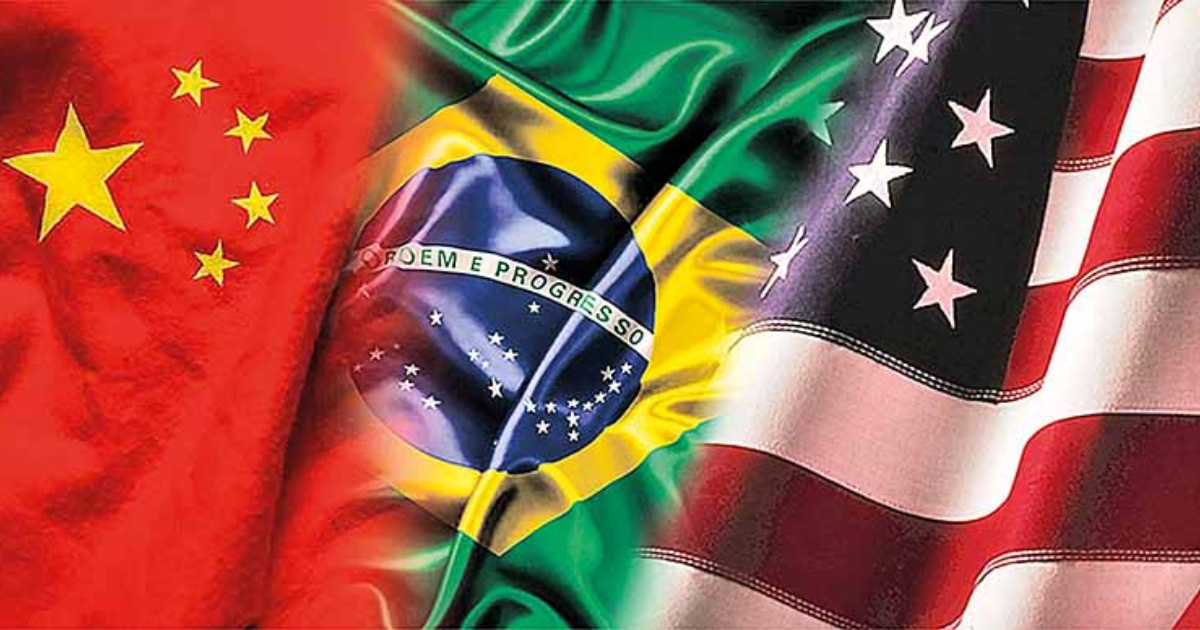
International Dispute Over Brazilian Nickel Places Brazil, China, and United States at the Center of a Strategic Conflict Involving Stainless Steel, Electric Vehicle Batteries, and the Control of Global Supply Chains.
The main steel lobby in the United States asked the government of Donald Trump to act to prevent MMG Limited, controlled by the Chinese state conglomerate China Minmetals, from completing the purchase of the nickel business from Anglo American in Brazil.
Last week, the American Iron and Steel Institute (AISI) sent a letter to the U.S. Trade Representative requesting that the matter be brought to the Brazilian government.
According to an article published this Wednesday (27) by the newspaper Folha de S. Paulo, the argument was that the transaction would expand China’s control over global supply chains for the mineral.
-
Brazil’s 2026 Tax Refund: Record 9.58 Million Filers in Largest Payout Ever, But a Key Detail on Priority Recipients Draws Nationwide Attention

-
Itaú Alters Hybrid Work Model, Increasing Office Days from 2028, Prompting Employees to Adjust to New Routine
-
Facing Labor Shortage, Japan Plans to Invest $34 Million to Attract Foreign Workers in Construction, Healthcare, Industry, and Commerce

-
Brazilian City Makes Remarkable Leap, Becomes 4th Wealthiest in the Country with GDP of R$ 134.1 Billion



Formal Request to the Trump Government
In the document, signed by Kevin M. Dempsey, AISI states that the acquisition “is expected in the 3rd quarter of this year” and that, if completed, it would give Beijing direct influence over a significant portion of Brazilian reserves, adding to its dominant position in Indonesia.
The institute requests that Washington “bring these concerns to the Brazilian government” and argues that the country should preserve market-oriented ownership of these assets and ensure open and fair access to nickel in the future, according to Folha de S. Paulo.
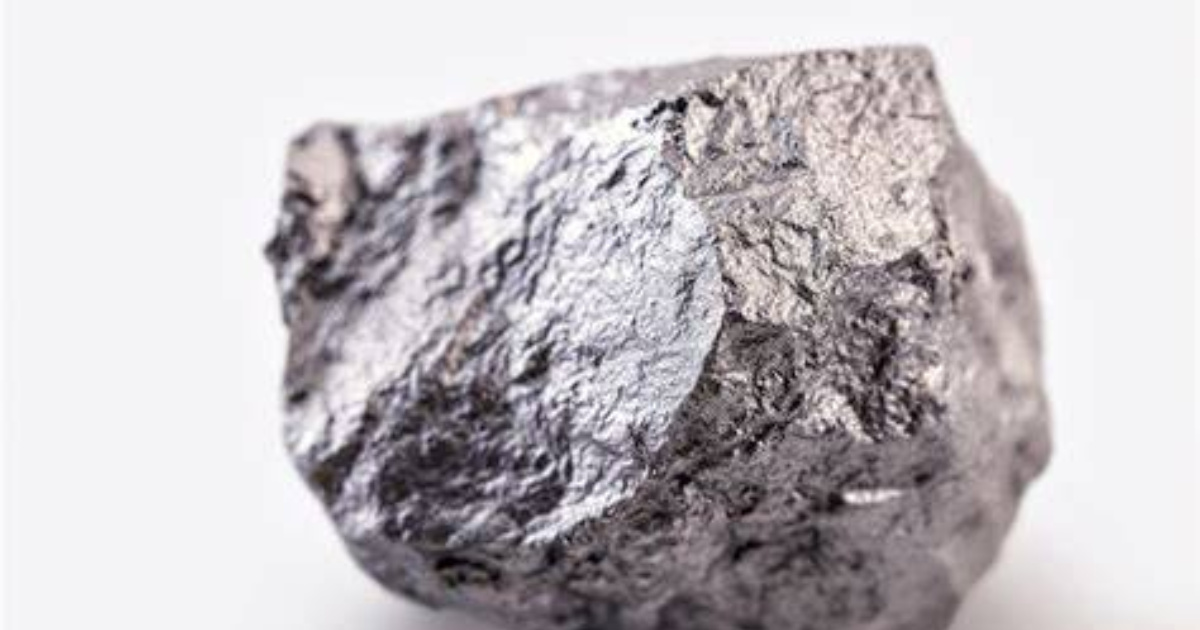
According to the entity, 65% of global nickel demand is linked to stainless steel, making the input strategic for the U.S. steel industry.
AISI states that reserves are concentrated in a few countries and emphasizes that, combined, Brazil and Indonesia’s resources of the mineral account for almost half of the world’s total, a scenario that would increase supply vulnerabilities, as reported by Folha de S. Paulo.
What Is at Stake in Brazil
The transaction involves Anglo American’s operations in the country, with an annual production close to 40,000 tons of nickel in nickel metal.
The package includes two industrial units in Goiás — Barro Alto and Codemin (Niquelândia) — and growth projects such as Jacaré and Morro Sem Boné.
The agreement announced on February 18, 2025 foresees up to US$ 500 million in payment, with US$ 350 million upfront and additional contingent installments.
The conclusion is expected in the 3rd quarter of 2025, subject to regulatory approvals.
The buyer, MMG Limited, is based in Melbourne and Hong Kong and is controlled by China Minmetals through Minmetals HK, which holds about 67.5% of the capital. China Minmetals is a state-owned enterprise supervised by SASAC, an agency of the Chinese State Council.
Why China Concerns the Sector
The fears expressed by the U.S. industry stem from two parallel movements.
On one hand, Chinese investments in Indonesia have expanded local production and solidified the country as the largest producer and holder of the world’s largest reserves of nickel.
On the other hand, acquiring assets in Brazil would increase China’s exposure to another significant resource front.
Public data indicate that global reserves are concentrated in Indonesia, Australia, and Brazil, with a combined share of Indonesia and Brazil close to 54% of the total.
Brazilian Regulations: What Changes (and What Does Not Change)
In Brazil, mines and mineral resources belong to the Union, and exploration occurs through authorization or concession.
The transfer of mineral rights depends on prior approval from the public authority.
In operations such as the sale from Anglo to MMG, therefore, the holder of the concession changes — not the ownership of the mineral itself.
This constitutional arrangement preserves the state’s ability to impose conditions and oversee the use of the resource.
Commercial Relations and Geopolitical Background
The sending of the letter took place within the public consultation opened by the USTR in the Section 301 investigation regarding Brazil’s actions and policies on issues such as digital trade, payment methods, tariffs, and ethanol.
The process was initiated on July 15, 2025 and accepts submissions from interested parties, such as AISI.
The Brazilian government has already filed a defense, asserting the legality of its practices and questioning the path chosen by Washington.
At the same time, Anglo American has been adjusting its global portfolio since 2024.
While deciding to exit nickel, the miner signed memorandums of understanding in China to develop the polihalite market with Sinochem Fertilizer and BeiFeng AMP, focusing on research into crops such as corn, soybeans, potatoes, citrus, and apples.
The agreements illustrate the company’s expansion of commercial relations in the Chinese market, although unrelated to the sale in Brazil.
Potential Impact on the Stainless Steel Supply Chain
The concern of U.S. stainless steel producers is that a greater concentration of primary supply under Chinese influence could affect prices, commercial conditions, and predictability of supply.
AISI argues that state subsidies and export restrictions adopted by Beijing in critical minerals have already caused distortions in global supply chains, and that nickel should not follow the pattern seen in other strategic inputs.
The institute thus calls on Washington to act preventively in this Brazilian case.
Next Steps and Signals That Deserve Attention
So far, there has been no official public response from the White House or USTR specifically to AISI’s request regarding nickel.
The outcome depends on both the regulatory processing of the purchase — in Brazil and other jurisdictions — as well as the progress of the Section 301 investigation regarding Brazil.
The implementation of the deal by MMG remains projected for the 3rd quarter of 2025, conditioned on the usual approvals.
In light of this situation, the central debate revolves around the balance between supply security, market rules, and sovereignty over natural resources.
It will be up to Brazil to arbitrate the transfer of mining titles within its legal framework while, at the same time, the United States will need to define whether and how it will respond to the advancement of state-controlled Chinese companies in critical assets in the hemisphere.
Ultimately, what conditions will Brazil and the U.S. consider necessary to ensure predictability in supply without closing doors to productive investment?







