Portuguese
  Spanish


Innovations Ranging from Network Lighting to Advanced Robotics Offer New Hope to Protect Marine Life from Lost Fishing Gears.
Ghost fishing, caused by lost or abandoned fishing gear, is a silent threat that kills millions of marine animals annually. In response to this global crisis, a new generation of technology emerges as a powerful ally. Around the world, LED lights save turtles from invisible nets, while in Japan, underwater robots perform precision cleaning on the ocean floor, demonstrating innovative ways to protect ocean ecosystems.
What Is Ghost Fishing and Why Is It a Danger?
Ghost fishing is the ongoing capture of marine life by fishing gear that has been abandoned, lost, or discarded in the oceans. These nets, lines, and traps, made of ultra-durable plastics like nylon, can continue to fish on their own for decades or even centuries. The material can take 450 to 600 years to decompose.
The mechanism is cruel and self-perpetuating. A trapped animal dies and serves as bait for others, which also get caught, creating an endless deadly trap. It is estimated that up to 800,000 tons of fishing gear are lost in the oceans every year, comprising a significant share of all marine plastic waste. In Brazil, the scenario is equally alarming, with estimates that thousands of marine animals are impacted daily.
-
Bottle Caps in the Garden: A Creative Solution You Won’t See the Same Way Again

-
Brazilian Producer Adopts Hydroponic Strawberry Farming in Western Paraná, Achieving Year-Round Harvests and Becoming a Model for Continuous Production

-
Astronomers Use James Webb Telescope Data to Trace the Path of Giant Exoplanet WD1856b, Which Survived Its Star’s Destruction and Migrated to a Close Orbit 80 Light-Years from Earth
-
Vale Achieves 45% Female Hiring in Mining by 2025, Surpassing Target a Year Early with 109% Increase in Six Years





The LED Technology That Reduces Accidental Catch
One of the most promising solutions to prevent animals from getting caught is a technology for prevention: net lighting with LED lights. The principle is simple and brilliant. Sea turtles, birds, and small cetaceans have a visual sensitivity that allows them to see the lights and avoid the nets, which would otherwise be invisible.
This technology does not drive away commercial fish species, allowing fishing to continue efficiently. Rigorous studies conducted in Peru and Mexico have demonstrated the method’s efficacy. In these locations, the use of green LEDs reduced the accidental catch of sea turtles by over 63% and that of small dolphins by over 66%. Moreover, the technology generates economic advantages, as it reduces the time fishermen spend removing unwanted animals from the nets.
The Fight Against Ghost Fishing in the South of the Country
Although LED technology is a powerful tool, its large-scale application has not yet been documented in Southern Brazil. However, the region is a hub for important initiatives to combat ghost fishing, focusing on strategies adapted to local realities.
Leading universities, such as the Federal University of Rio Grande (FURG) and the University of Vale do Itajaí (UNIVALI), are conducting research to monitor the impacts of fishing on local fauna. On the front lines, NGOs like R3 Animal rescue and rehabilitate entangled animals. Innovation also comes from the circular economy. Projects like “Redes do Bem” (SC) and the brand Oiamo (RS) empower artisans to transform discarded fishing nets into design products, generating income and awareness.
How Japanese Submarine Robots Map and Remove Lost Nets
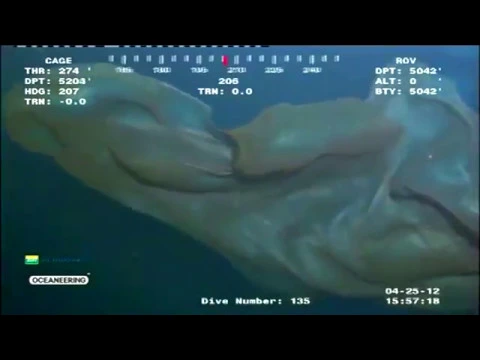

If prevention fails, remediation technology comes into play. Japan is a global leader in the use of underwater robotics to find and remove ghost nets. The first step is locating lost gear on the vast ocean floor, a task that utilizes high-precision sonars and artificial intelligence to analyze images and distinguish nets from other objects.
Once the location is mapped, robots are sent for removal. Remotely Operated Vehicles (ROVs), controlled from the surface by cables, use mechanical arms and cutting tools to remove the nets. This Japanese leadership is the result of an innovation ecosystem that brings together the government, through agencies like JAMSTEC, and the private sector, with companies and startups in marine technology.
The Importance of Technology and Integrated Solutions
The fight against ghost fishing requires more than a single solution. Victory against this invisible threat depends on the integration of multiple approaches. Technology is a central pillar, covering everything from prevention to remediation.
In addition to LEDs and robots, other promising innovations include the development of biodegradable fishing gear and the use of smart buoys with GPS to track nets in real-time. However, no technology works in isolation. Success depends on global collaboration among governments, which must create regulatory policies; industry, which must adopt best practices; and NGOs and research centers, which generate the knowledge needed to guide actions. Only with this united effort will it be possible to build a safer future for life in the oceans.