






 Portuguese
  Spanish




The Largest Train Manufacturer in the World Prepares for Its Industrial Debut in Brazil with a Multimillion-Dollar Investment and Production Plans in the Interior of São Paulo, Marking a New Phase in the National Metro Rail Sector.
The CRRC, the largest train manufacturer in the world and controlled by the Chinese government, will establish an industrial operation in Araraquara (SP) with a initial investment of R$ 50 million, occupying the structure that belonged to Hyundai Rotem and planning to start production in 2026 to meet orders from the São Paulo Metro.
Hyundai Rotem is a South Korean manufacturer of rolling stock and defense systems, part of the Hyundai Motor Group, but is not the same company responsible for producing Hyundai automobiles. Although they are part of the same conglomerate, they operate in distinct industrial segments.
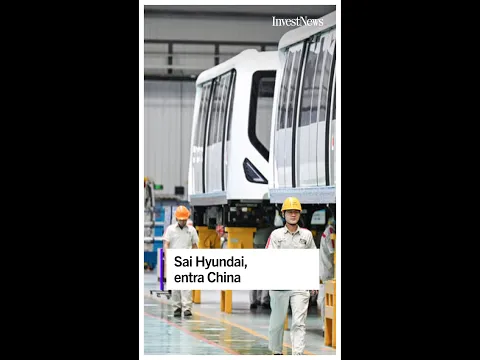
According to the website Invest News, in a video published this Sunday (10), this is the first manufacturing hub of CRRC in the country, after years operating through imports and supply contracts.
-
Major Appliance Manufacturer Closes Factory in Argentina, Shifts Production to Brazil, and Restructures in Latin America with Mexico Closure, Investing Up to $165 Million

-
China to Revive $3.6 Billion Mega-Dam Project in Myanmar, Stalled Since 2011, Promising 6 GW Capacity and Completion in Eight Years

-
Foreign Company Wins Auction for Brazil’s First Immersed Tunnel, a $1.3 Billion Project with $14 Million Contract Under Federal Investigation

-
China’s Century Megaproject Wows the World: Massive Water Transfer Network Moves Water from Wet South to Arid North, with Ambitious Plans in the Tibetan Plateau Involving Giant Tunnels at Altitudes up to 4,000 Meters


What Changes with the Arrival of CRRC
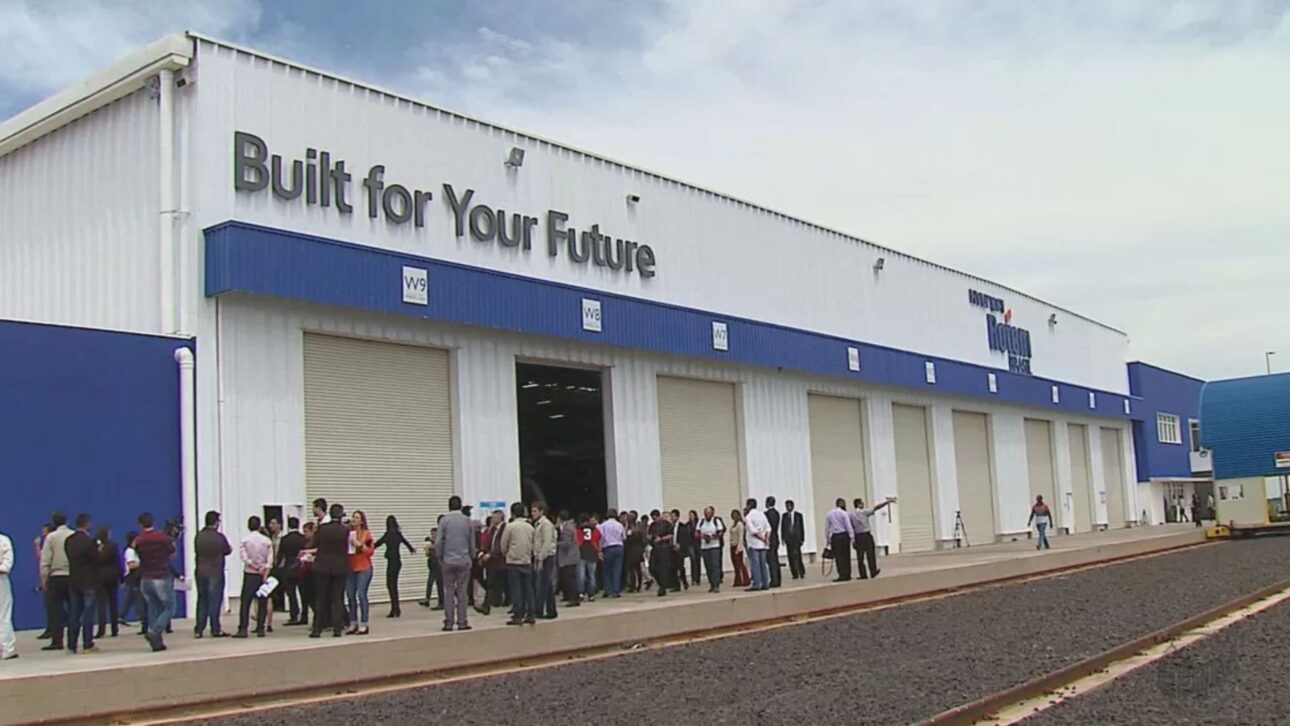
The decision marks a movement of reindustrialization in the São Paulo metro rail sector and reinforces the presence of the Chinese state-owned company in Brazil in strategic urban mobility projects.
The CRRC takes over the factory in Araraquara with a focus on local assembly, integration of systems, and commissioning of trains, in line with requirements for progressive nationalization.
The São Paulo government confirms the hiring of 44 new trains for the Lines 1-Blue, 2-Green, and 3-Red, with the first train expected to be delivered 21 months after the contract is signed.
According to industry publications, the plan is to occupy and lease the former production structure, which is currently idle, subject to regulatory approvals such as those from the Administrative Council for Economic Defense (CADE).
The goal is to start assembling trains in mid-2026.
This stage inaugurates an industrial cycle in which the CRRC takes over the factory in Araraquara and brings local suppliers closer to the company’s global supply chain.
The initial investment is estimated at R$ 50 million, with the potential for direct and indirect job creation in the region, although detailed numbers may vary as production ramps up.
How the Factory Became Idle
The idleness dates back to 2013, when Hyundai Rotem, in consortium with the Brazilian IESA, won a bid to supply 30 trains of eight cars (240 cars) to CPTM, under a contract worth R$ 788 million.
With IESA’s financial crisis, Rotem had to assume production, decided to build its own plant in Araraquara, and completed deliveries with delays, ending the cycle in 2019.
Since then, there have been no new orders, and the warehouse has lost activity.
This history helps explain why CRRC takes over the factory in Araraquara: there is installed industrial infrastructure, logistical access, and trainable labor, elements that reduce implementation time and cost.
Current Portfolio of CRRC in Brazil
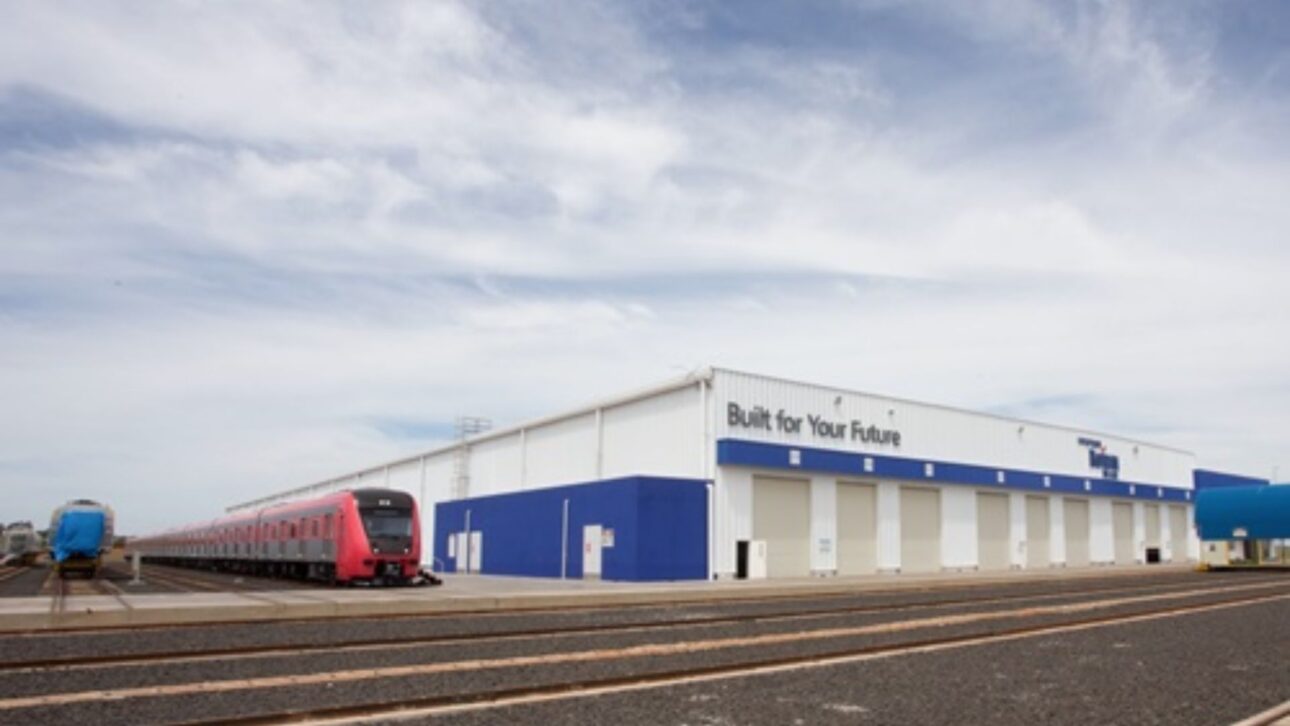
In 2025, the company signed a contract to deliver 44 trains to the São Paulo Metro, which will reinforce the fleet of lines 1, 2, and 3 and support the expansion of Line 2-Green to Penha.
The schedule foresees the first train in about 21 months and deliveries spread over up to 70 months.
The presence of the Chinese state-owned company in Brazil is not new in terms of supply: the company manufactured the Series 2500 trains for Line 13-Jade (CPTM), delivered in 2019, and operates in the state of Rio de Janeiro with fleets in SuperVia and MetrôRio, with a total of 134 compositions in operation.
In Minas Gerais, the state government visited a production line in China to oversee the new metro trains for the Metropolitan Region of Belo Horizonte.
This accumulation of contracts creates scale to justify national assembly and supports the next step: CRRC takes over the factory in Araraquara to internalize production steps, testing, and maintenance.
From the IESA-Rotem Consortium to the New Industrial Cycle
The 2013 bidding by CPTM marked the turnaround of the regional railroad hub by establishing the production of 240 cars in Araraquara.
With IESA’s exit, Hyundai Rotem invested in the local plant and completed the Series 9500 for CPTM between 2017 and 2019.
Without new orders from 2020 onward, the unit lost traction.
Now, CRRC takes over the factory in Araraquara and launches a new phase, with contracts already signed and a pipeline that includes São Paulo and other capitals.
Investment, Timelines, and Official Confirmations
The initial investment of R$ 50 million was reported by official sources between late July and early August 2025, with production expected in 2026.
In parallel, the Government of São Paulo announced R$ 3.1 billion for the purchase of 44 trains, with the first train in 21 months after the signing.
As of the publication of this article, there has been no public disclosure of final job numbers beyond estimates from specialized media.
Competition and Impacts on the Supply Chain
The arrival of the Chinese state-owned company in Brazil reconfigures the landscape with Alstom, CAF, Siemens, and Hyundai Rotem.
For Araraquara and its surroundings, CRRC takes over the factory in Araraquara and is likely to attract component, signaling, door, air conditioning, and traction system companies.
The multiplier effect will depend on local content requirements and the results of the first trains assembled in the country.

Effects for Passengers
With more competition and local assembly, the expectation is to reduce delivery times and facilitate maintenance due to the availability of parts in Brazil.
In the São Paulo Metro, the 44 new trains are expected to meet peak demand for the Lines 1, 2, and 3, especially during the expansion phase of Line 2-Green to Penha.
The consolidation of the Chinese state-owned company in Brazil may expedite projects like the Intercity Train (TIC).
Global Profile of CRRC
CRRC is internationally recognized as the largest rolling stock manufacturer in the world by revenue.
In 2023, the group reported revenue growth compared to 2022, according to public documents.
Its global size helps explain its ability to scale investments like that of Araraquara.
With a contract signed for 44 trains, investment of R$ 50 million, and production in 2026, CRRC takes over the factory in Araraquara and reposition the interior of São Paulo on the railway map.
In light of this scenario, what should be the priority of industrial policy to maximize employment and national content in this new phase of mobility on rails?







Investimento de 50 milhões? Que investimento medíocre digno de uma mesinha média nacional. Com certeza o chinês não vai fabricar nada, vai trazer tudo pronto da China colocaram adesivo e dizer que foi feito nessa fábrica. Parabéns à Era do Partido dos Trabalhadores que não consegue gerar um posto de trabalho de verdade. Medíocres na política pauperrimos de conhecimento econômico. O que é redundante pois ser socialista é ser um ignorante em economia. São completamente opostos. Próprio presidente já disse que os livros de economistas estão ultrapassados , o que esperar de alguém que despreza o conhecimento?
Simplista
Simplista
Sem noção. Acorda e saia do pré conceito.
Meu caro, esse tipo de ramo, o valor de investimento é isso mesmo. São projetos grandes, que um único contrato tem que bancar a estrutura e dar lucro. Não vão investir bilhões se não tem demanda.
A ver que a própria fábrica da rotem foi desativada por falta de contratos. Esse tipo de ramo, faz com que a empresa se instale, entregue o contrato e fica ociosa. Vide CAf em Hortolândia, alstom em Osasco e Taubaté e a própria Hyundai Rotem.
Cuidado com a politização, tenha pensamento crítico. Nota-se que o governo anterior xingava professores, cortou 92% da verba de ciência e tecnologia e o próprio então ministro Marcos Pontes criticou( só dê um Google que é fácil de ver). Então sua afirmação é injusta, não é a atual gestão que despreza o conhecimento.
Na realidade quem não trouxe nenhuma empresa foi o tarcisio, basta ver que a GAC foi para goias,a geely foi para o parana e assim por diante, está sendo o pior governador da historia de SP
Você tem mais de 1 milhão para investimento? Claro que não tem ! E melhor aceitar que dói menos Lula presidente 2026 você tá compresso de vira lata avante BRASIL.