





 Portuguese
  English
  Spanish
  3 min of reading


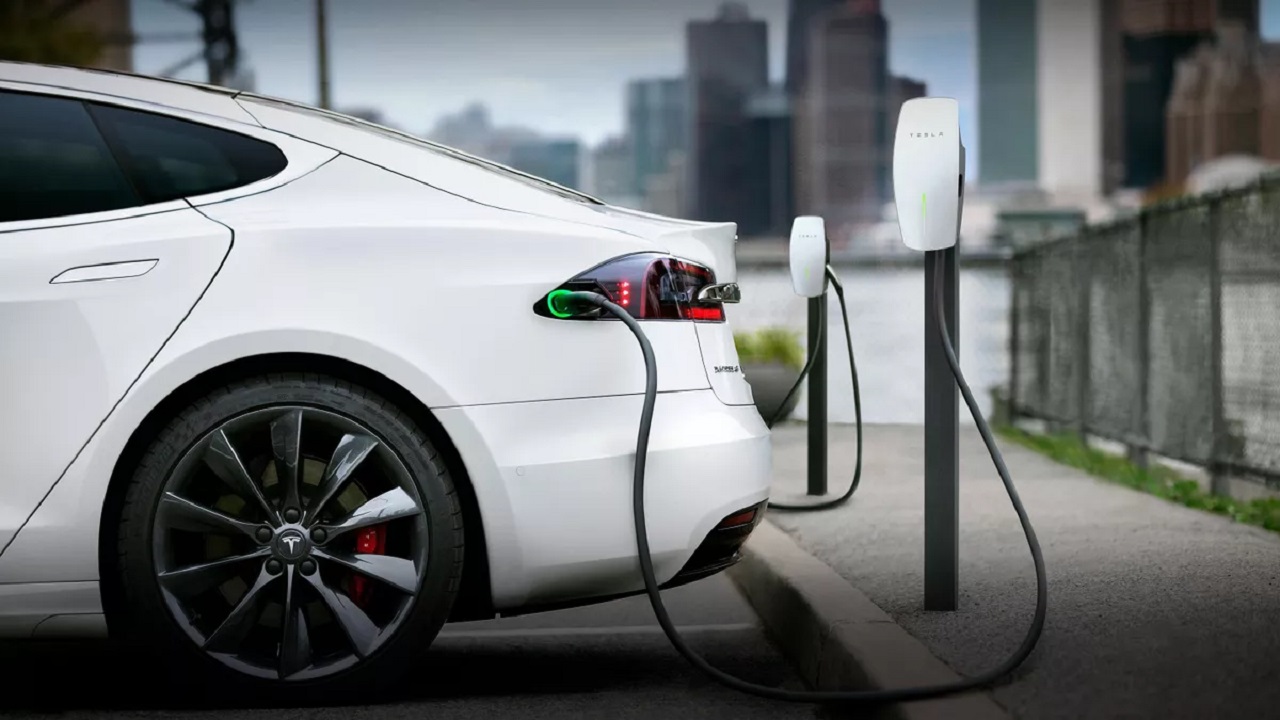
With The Arrival Of New Batteries That Can Be Recharged In A Few Minutes, The Electric Vehicle Market May Become More Sustainable.
The Company Morand Announced This Week That Its Efforts In Manufacturing A New Battery For Electric Vehicles Have Finally Generated A Positive Result. The Promise Of Morand Is That The Manufactured Batteries Can Be Recharged In No More Than 72 Seconds. The Battery Line Is Named Morand eTechnology And Received A High Investment In Ultra-Fast Charging Technology.
New Batteries With Ultra-Fast Charging Technology Will Stand Out In The Automotive Market
Morand’s New Batteries Have Been Manufactured With A Hybrid System, Responsible For Combining The Capacities Of Ultracapacitor And Chemical Battery, In Order To Create An Energy Package That Is Durable And Ultra-Fast, Capable Of Being Recharged Conveniently In Less Than 2 Minutes.
According To The Company, This Type Of Technology Is Suited For Applications That Require Ultra-Fast And Frequent Charges, For A Maximum Period Of 5 Minutes Or Less. In Other Words, Technologies Like This Are Intended For Urban Electric Vehicles, Such As Microcars, Electric Bikes, Electric Scooters, Agrotech, Defense, And Railway Locomotives.
-
Toyota launches Wigo cheaper than Fiat Mobi, Citroën C3, Argo, Polo Track, HB20, and Onix in Brazil, with a 1.0 three-cylinder engine, 5-speed manual transmission or CVT, and rear camera in the top version; the urban hatch shows an entry-level Toyota that Brazilians don’t have in the Philippines.

-
BMW X7 priced at R$ 1 million impresses with absurd technology, extreme luxury for seven people, and a self-parking system in Brazil

-
Hyundai launches Exter for around R$ 38,000 in direct conversion, cheaper than Citroën C3, Fiat Mobi, Argo, and HB20 in Brazil; entry-level mini-SUV has a 1.2 engine, six airbags, automated transmission, and even a sunroof in the more expensive car package in India.

-
It looks like a van but works as a light truck: Foton presents in China the Toano Aucan F2.5 chassis cab, with rear-wheel drive, manual transmission, leaf springs, and a safety package for intensive commercial operations.



The Company Geo Technology Conducted Independent Tests, Where It Found That The Technology Developed By Morand Was Perfectly Capable Of Recharging A 7.2 kWh Battery In About 120 Seconds (98% Charge) Up To 900A (360 kW), And 72 Seconds For 80% Charge.
The Packs Use What Is Called HUC, Also Known As Hybrid Ultracapacitor Cells, Exclusively From The Company Sech AS, After Establishing An Excellent Partnership. These Hybrid Cells Are Used In Combination With The Advanced Control Units Of The Responsible Company.
Test Reveals Great Potential In New Batteries For Electric Vehicles
Even Though The Tests Were Conducted On A Small Battery, Of Only 7.2 kWh, It Can Be Said That If We Multiply The 72 Seconds Required To Reach 80% Of Capacity By 6, A Supposed Capacity Of 42 kWh, For Example, Would Take About 7 Minutes For A Charge From 0% To 80%.
Therefore, We Can Consider That The Charging Time During The Tests By Geo Technology Is Considered Innovative, With High Potential. Currently, There Are Several Ultra-Fast Charging Technologies That Are In The Testing Phase.
However, They Are Limited By A Constraint, Which Is The Number Of Cycles Before Suffering Degradation In Capacity. Due To This, Morand Is Committed To Overcoming This Situation, So Much So That The Company Guarantees That Its Technology Can Ensure About 50,000 Charge And Discharge Cycles.
Another Advantage Of The eTechnology Batteries Is The Reduction Of Dependence On Materials Such As Lithium And Cobalt. Even Though The Batteries Still Need To Use Lithium, Their Differentiator Is That Their Chemical Composition Is Based On Aluminum, Graphene, And Carbon.
Morand Team Aims To Increase Production Of New Cells For Electric Vehicle Batteries
According To Morand’s Founder And CEO, Benoît Morand, The Company Believes That Electronic Technology Will Soon Find Widespread Adoption As The Ideal Solution For Specific Applications. Benoît Also Stated That With Extreme Durability And Ultra-Fast Recharge Times, Morand’s Patented Electronic Technology Has A High Number Of Possible Applications.
The Production Of This Technology Is Still Low; However, Morand Plans To Increase The Production Of The Cells Very Soon, Which Will Help Lower Costs.
Another Quite Interesting Issue Is Regarding The Total Life Cycle Of These Batteries, Which Are 5 To 10 Times More Than The Possible Discharge Cycles, Favoring Maintenance Costs In The Long Run Compared To Equivalent Lithium-Ion Batteries.








Be the first to react!