Portuguese
  Spanish


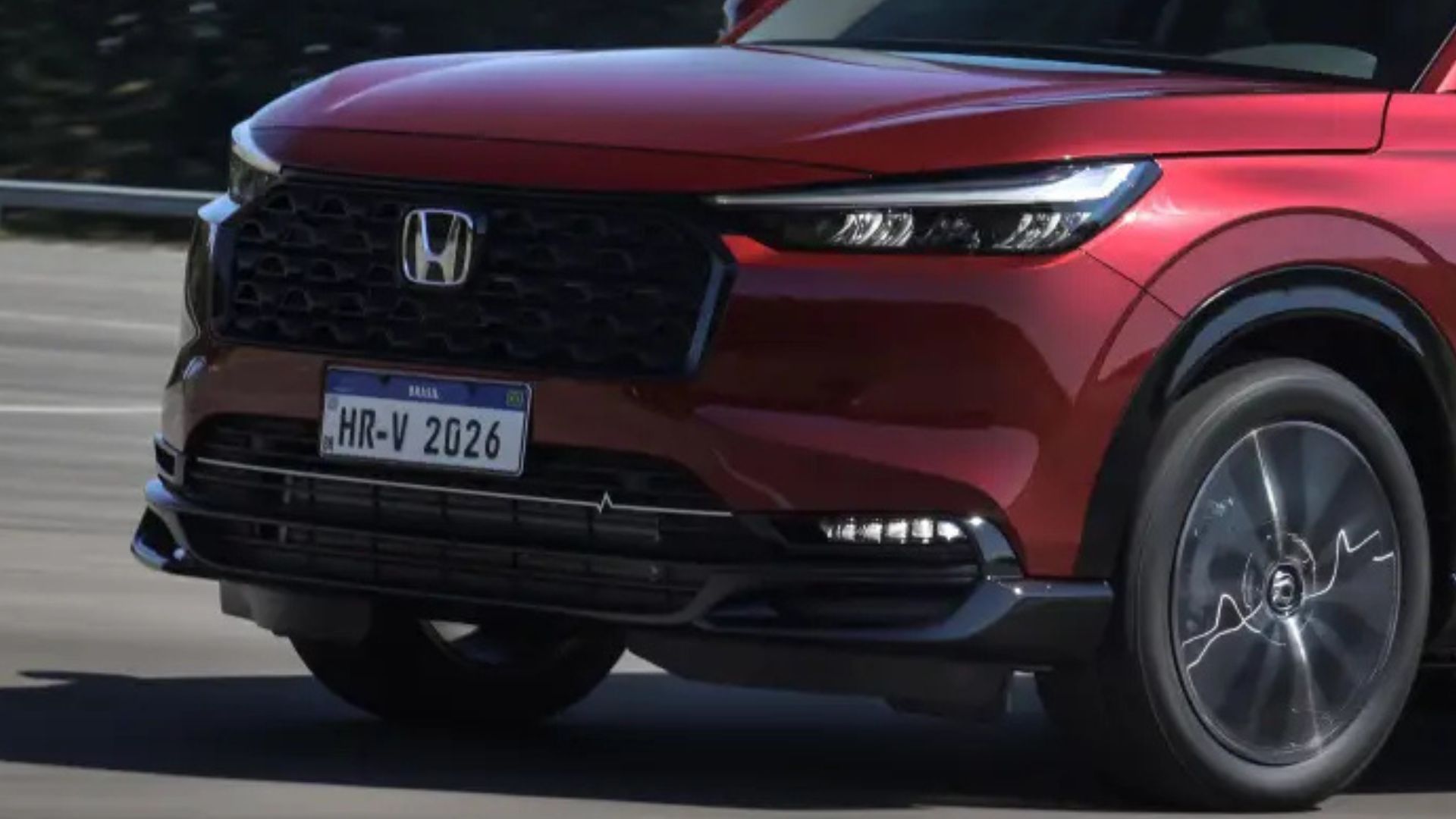


Honda’s global strategy shifts focus from electric to more profitable hybrids, while the future HR-V gets a new 1.5 engine, artificial intelligence in Honda Sensing, and advanced assistance technologies to face the advance of Chinese automakers in the electrified SUV segment.
Scheduled to debut after 2028, the new generation of the Honda HR-V will mark an important change in the global strategy of the Japanese manufacturer, which decided to expand its focus on hybrid models to regain competitiveness in the face of the accelerated transformation of the automotive market.
In addition to abandoning exclusively combustion versions in strategic markets, the compact SUV will receive a new naturally aspirated 1.5 engine, specifically developed to work integrated with the brand’s next-generation hybrid system.
While Chinese automakers are rapidly advancing with more affordable hybrids and electrics, Honda is reviewing its investments in electrification after billion-dollar losses linked to fully electric vehicle projects and increased global competition.
-
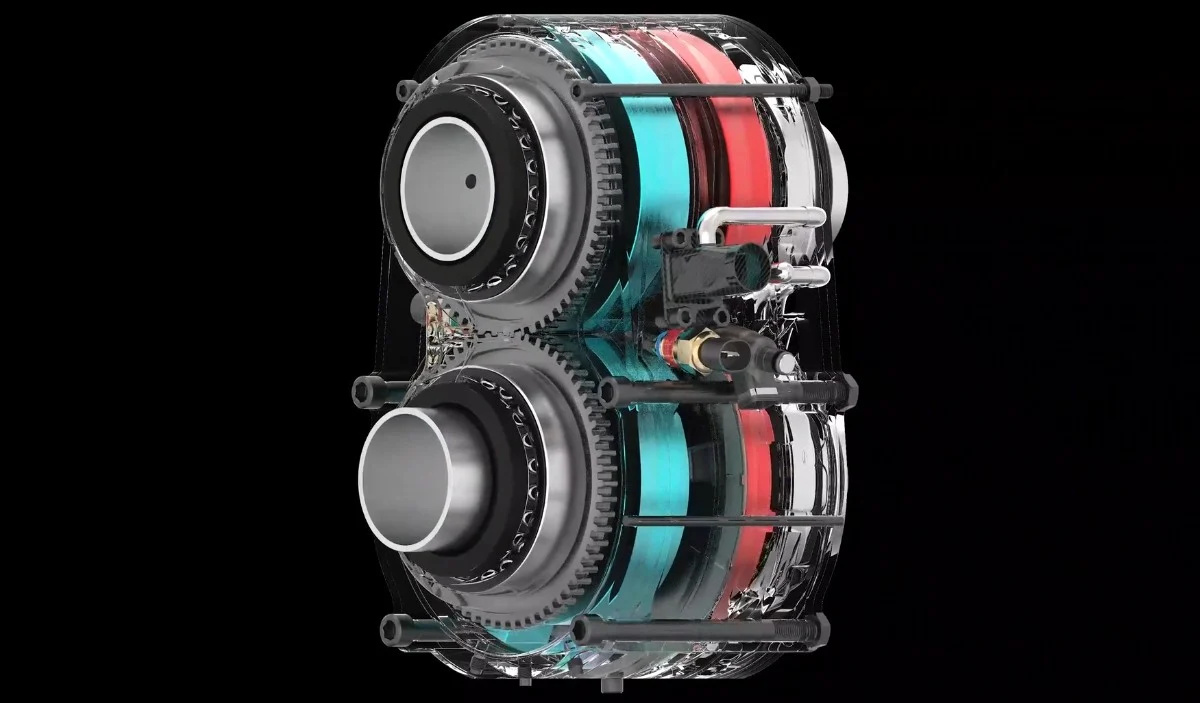
Suitcase-sized hydrogen engine spins at 25,000 rpm, nearly doubling the efficiency of conventional cars and replacing exhaust smoke with water vapor

-
1983 Chevrolet Runs Over 100,000 km Without Gasoline, Powered by Wood Chips, Reaches 125 km/h in Airport Test

-
Workshop Converts Giant Tractor Tire Tricycle into a Three-Wheel Drive Hybrid with 36,000-Watt Electric Motor Capable of Climbing Hills

-
Sales of Brazil’s Cheapest Electric Car Halted Before First Deliveries: E-Motors Suspends Emova Easy Due to Import Tax Increase and Rising Freight Costs




New Honda HR-V hybrid will be the brand’s global priority

In practice, the future HR-V will follow a logic similar to that used in other e:HEV models from the manufacturer, in which the combustion engine primarily works as a power generator, while the electric motor takes on most of the traction.
With this arrangement, Honda aims to increase energy efficiency, reduce emissions, and improve average consumption without relying exclusively on pure electrics, a segment that faces demand fluctuations and high development costs in different markets.
According to the company’s corporate presentation to investors, part of the resources initially allocated to electric vehicles will be redirected to hybrids, combustion engines, and automotive software, within a plan aimed at recovering profit margins.
1.5 Hybrid Engine Promises More Efficient Consumption
Specifically developed to work in conjunction with the brand’s new hybrid system, the naturally aspirated 1.5 engine will be one of Honda’s main bets to increase the energy efficiency of the future HR-V.
At the same time as it seeks to improve consumption averages, the manufacturer is also working to increase the thermal efficiency of the set and reduce emissions, following stricter environmental requirements in regions such as Japan and Europe.

This strategy follows the global movement of the automaker to expand the participation of hybrids in different markets, gradually reducing the dependence on vehicles equipped only with combustion engines.
Honda Sensing will have artificial intelligence and 360° cameras
Another important change planned for the SUV is concentrated in the Honda Sensing package, which will gain features based on artificial intelligence to enhance driving assistance and traffic monitoring systems.
With the update, functions such as adaptive cruise control and lane-keeping assistant should present smoother responses in accelerations, braking, and steering corrections during urban and highway routes.
Also planned are 3D 360° vision cameras and more advanced semi-autonomous driving functions, technologies initially linked to the electric vehicles of the Honda 0 family before the recent overhaul of the manufacturer’s strategy.
Honda reduces focus on electrics after reviewing investments
In recent months, Honda decided to cancel the development and launch of three electric models planned for North America, including Honda 0 SUV, Honda 0 Saloon, and Acura RSX.

According to the manufacturer, the decision is part of a reassessment of the global electrification strategy in the face of a more competitive environment, marked by the slowdown in demand for electrics in some markets and strong price pressure.
Even after reducing investments in some electric projects, the automaker states that it will continue working on future platforms, solid-state batteries, and goals related to carbon neutrality by 2050.
New hybrid HR-V has not yet been confirmed for Brazil
In the Brazilian market, Honda has not yet confirmed whether the next generation of the HR-V will use the same hybrid set and the more advanced ADAS package planned for Japan, Asia, and Europe.
Despite this, the manufacturer’s national operation has previously informed that it is developing a flex hybrid system, considered strategic to adapt electrification to the use of ethanol in the country and to enhance the energy efficiency of future models.
So far, there is no official definition regarding local launch, national production, versions, prices, or equipment that will equip the future HR-V intended for the Brazilian market.