






 Portuguese
  Spanish
 2 min of reading
  0 comments


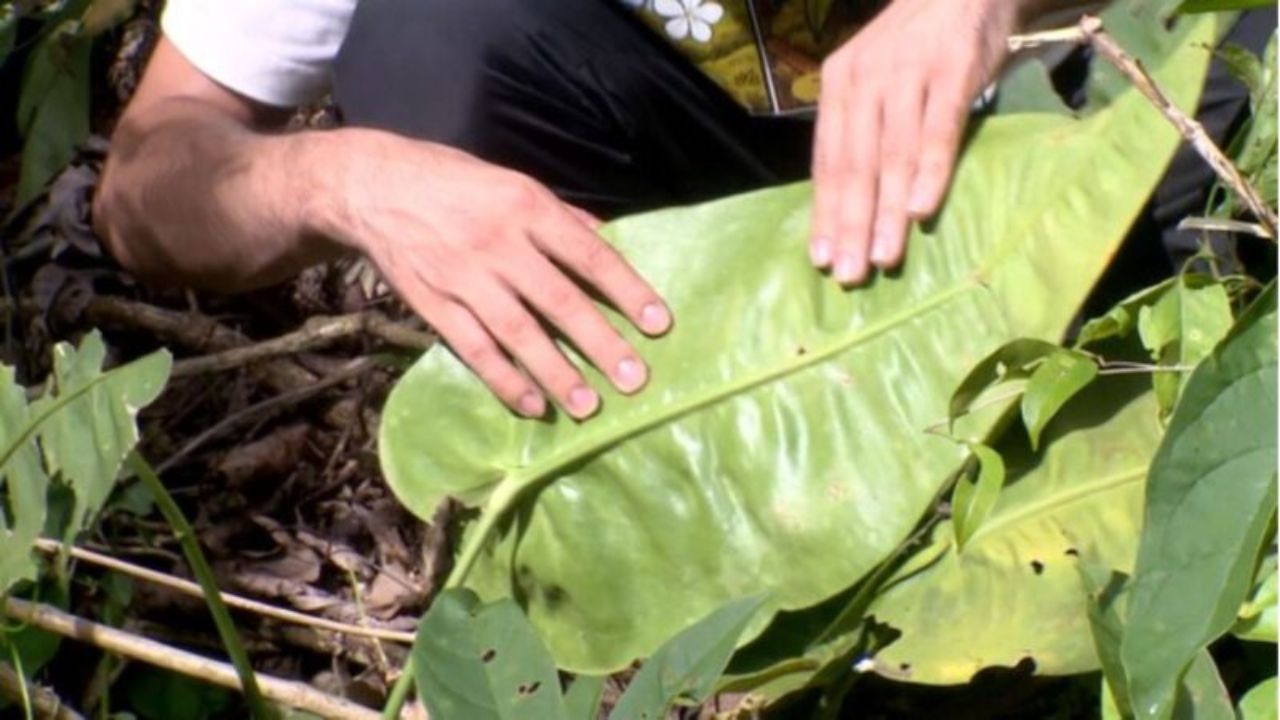
Researchers Identify New Plant Species in Espírito Santo. The Stone Anthurium Expands Knowledge About Brazilian Biodiversity.
A new plant species was identified by researchers from the Federal University of Viçosa (UFV) in the interior of Espírito Santo, in a rural area of the municipality of Montanha.
The discovery occurred in 2025, during detailed botanical analyses, revealing the stone anthurium, a plant that grows in specific rocky environments.
The finding is important because it expands knowledge about Brazilian biodiversity and highlights regions that are still scientifically understudied.
-
Helicopter Drops 180 Tons of Sand and Gravel on Swedish River to Revive Ecosystem Damaged by Decades of Exploitation

-
Brazilian Company Launches Retro Smartphone with 48 MP Camera, T9 Keyboard, and Privacy Features for Social Media-Free Use

-
Self-Taught Chinese Farmer Builds 5-Ton Submarine from Scrap, Launches It in Anhui River
-
Invisible Induction Technology Enables Wireless Power for Blenders, Coffee Makers, and Air Fryers, Reducing Countertop Cables





Anthurium petraeum: Discovery of the New Plant Species Surprises Scientists
The new plant species was located in an elevated point on a private property. The location features rare characteristics, such as the transition between the Atlantic Forest and sandstone rock outcrops.
According to the researchers, this combination creates an ideal microenvironment for highly adapted species.
Furthermore, the area had not been part of systematic botanical surveys. Therefore, the discovery reinforces that there is still much to be documented, even in regions considered accessible.
Stone Anthurium Has Unique Adaptations to the Environment
The stone anthurium, the popular name of the plant, received the scientific name Anthurium petraeum. The term directly refers to the rocks where the species naturally develops.
Among its main characteristics are rigid leaves, white inflorescences, and stems that grow in rock crevices.
These adaptations allow for better utilization of moisture and nutrients in shallow soils, which is unusual among anthuriums from the Atlantic Forest.

Researchers Confirm New Species After Detailed Analyses
To confirm the new plant species, the researchers conducted collections and comparisons with reference herbaria.
Reproductive and vegetative characteristics were also analyzed, along with reviews of specialized literature.
This allowed them to ensure that the stone anthurium had not been previously described by science.
Espírito Santo Houses Underexplored Biodiversity
Espírito Santo is notable for encompassing different biomes and ecological transition zones. This scenario favors the emergence of endemic species, found only in specific locations.
On the other hand, the discovery of the stone anthurium reinforces the importance of conservation and new studies.
Meanwhile, scientists warn that protecting these environments is essential to preserving Brazil’s natural wealth.
Source: Aventuras na História





Be the first to react!