






 Portuguese
  Spanish





Billion-Dollar Railway Project In Southern Brazil Promises A Journey In Just One Hour Between Porto Alegre And Gramado, With A Station Close To The Airport And Hope To Transform Tourism And Regional Mobility.
The government of Rio Grande do Sul authorized, on August 7, 2025, the implementation, operation, and private exploration of a passenger railway between Porto Alegre and Gramado.
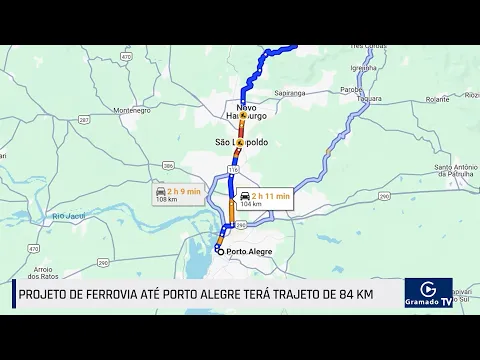
The project, led by SulTrens, foresees an investment of R$ 4.5 billion and an estimated travel time of one hour to cover approximately 84 kilometers.
Authorization And Operation Term
This is the first intrastate authorization in the country, granting a 99-year concession to the responsible company.
-
Brazil’s 2026 Tax Refund: Record 9.58 Million Filers in Largest Payout Ever, But a Key Detail on Priority Recipients Draws Nationwide Attention

-
Itaú Alters Hybrid Work Model, Increasing Office Days from 2028, Prompting Employees to Adjust to New Routine
-
Facing Labor Shortage, Japan Plans to Invest $34 Million to Attract Foreign Workers in Construction, Healthcare, Industry, and Commerce

-
Brazilian City Makes Remarkable Leap, Becomes 4th Wealthiest in the Country with GDP of R$ 134.1 Billion




The official forecast is seven years for the start of operations, projecting the service to begin by August 2032.
At this stage, SulTrens will advance in detailed planning, licensing, and securing private funding.
Stations And Access To The Airport
In Porto Alegre, the boarding and disembarking station will be about 700 meters from Salgado Filho International Airport, facilitating direct access for visitors arriving from other cities.
At the mountain destination, the terminal is planned for Avenida das Hortênsias, on the connection between Gramado and Canela, the region’s most trafficked tourist axis.
Structure Of The Express Train
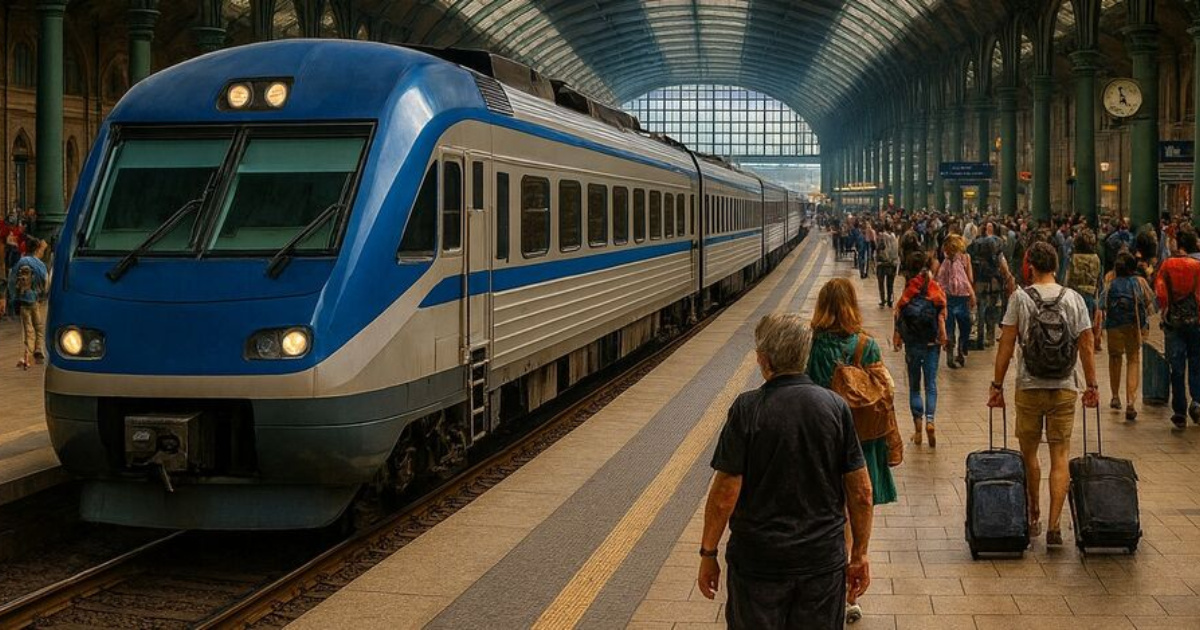
The service was designed as an express service, with a 250-seat train, planning for two railway tracks (one in each direction), and cruising speed estimated at up to 130 km/h.
The initial proposal considers operation without intermediate stops, reducing the door-to-door time between the capital and the mountains.
Possible adjustments in the route and service may occur as studies progress and regional demand is confirmed.
Regional Impact And Job Creation
The route will cross 19 municipalities and will influence 22 cities, enhancing the potential for metropolitan and tourist integration.
The government and the concessionaire estimate the creation of 22,723 jobs including direct and indirect positions throughout the implementation.
Besides tourism, the railway is presented as an alternative to BR-116 in areas with recurring congestion, offering reliable schedules and greater comfort for passengers.
Planned Works On The Route
Preliminary studies indicate the need for a robust set of special engineering works.
A total of 27 road crossings, 15 bridges and viaducts — including a crossing over BR-290 (Freeway) — and nine tunnels are planned.
This design aims to minimize interferences with road traffic and bypass densely populated urban areas while maintaining the operational speed of the express service.
Financial Structure And Private Model
SulTrens is a private consortium formed by engineering and financial structuring companies, responsible for the studies of technical, economic, and environmental feasibility and for the design of the project.
The investment will be entirely private, according to the railway authorization model in effect since 2021, which allows the exploration of lines by non-state agents upon meeting technical and regulatory requirements.
Timeline And Next Steps
After the authorization signed at the Palácio Piratini, the initiative enters the phase of detailing the executive projects, obtaining environmental licenses, and contracting suppliers.
The goal of operating by 2032 depends on the progress of these fronts, compliance with regulatory demands, and the timeline of civil works and railway systems.
The plan indicates continuous implementation so that infrastructure, rolling stock, and signaling, energy, and control systems are commissioned within the expected timeframe.
Tourism And Integration With Serra Gaúcha
The Porto Alegre–Gramado axis accommodates a significant part of the tourist flow in the southern part of the country.
With a station just minutes from the capital’s airport terminal, the railway is expected to shorten connections and reduce dependence on bus and car transfers.
The expectation is that the offer of a journey in about one hour will stimulate new itineraries and increase the average stay of visitors, with impacts on the hotel network, gastronomy, and events.
Urban Mobility And Connections
Besides the tourist vocation, the railway link could reorganize work and leisure movements between the municipalities along the route.
The existence of two tracks dedicated to passenger transport promises more operational regularity, mitigating the effects of delays due to crossings.
In parallel, ongoing studies evaluate points of road interference and engineering solutions to ensure safety, proper crossings, and minimal impact on local traffic.
Transport Capacity And Demand
With 250 seats per train, the operation was designed to absorb a significant part of the demand, especially in the high season in Serra Gaúcha.
The demand projection considers both tourists and residents of the metropolitan area, who currently face longer travel times than the train, subject to traffic variations and weather conditions.
The railway seeks to provide predictability and a competitive time compared to cars or buses.

Pending Details To Be Defined
There are definitions that will be detailed throughout the studies and engineering phase, such as the schedule matrix, the fare policy, any expansion of stations, and the definitive interfaces with the urban road system.
Constructive solutions for tunnels and viaducts in sensitive areas and logistics for construction sites are also being evaluated, essential stages to meet the seven-year deadline before the start of operations.







