





 Portuguese
  English
  Spanish
  3 min of reading
  0 comments


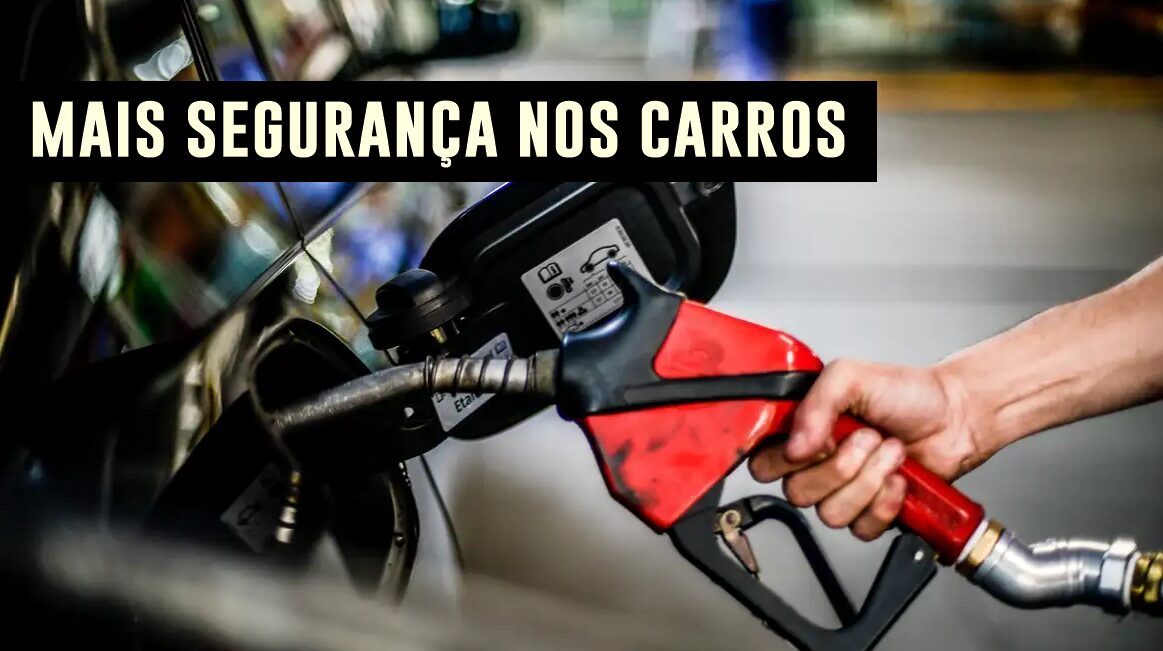
Emission Revolution: New 2025 Rule Will Make Mandatory Item That Increases Safety at Fuel Stations and Can Reduce Gasoline and Ethanol Vehicle Emissions by Up to 98%
As of last year, 20% of new gasoline, ethanol, and flex fuel vehicles sold at fuel stations in Brazil started to be equipped with a mandatory item that promises to save fuel and improve air quality. By 2024, 60% of new vehicles will feature this technology, and by 2025, all vehicles with these engines will be equipped with the system.
In addition to contributing to gasoline and ethanol savings, this new technology protects the health of gas station attendants and reduces the emission of toxic gases. However, its use also generates an increase in vehicle production costs.
Mandatory Equipment That Will Increase Safety at Fuel Stations
The strong smell of gasoline that is common at fuel stations is coming to an end. In the coming years, flex-fuel, gasoline, or ethanol vehicles will begin to be manufactured with a solution that reduces the release of polluting gases by up to 98%, especially during refueling.
-
Man pays only R$ 17,500 for a 2021 Hyundai Creta at auction, finds SUV covered in mud and with a stalled engine, but discovers the problem was much smaller than everyone imagined.

-
Cheaper than the JAC T60 Plus: with a 1.5 flex engine, 1.6 option with 138 hp, CVT-type automatic transmission, 360 camera, panoramic sunroof, and 10-inch central unit, this used Chinese SUV tries to convince those looking for a complete package: meet the JAC T40 Plus 2022.
-
Man spends 20,000 hours and 7 years building a functional wooden supercar with a Cadillac V8 engine, 20 types of wood, and a reported top speed of 320 km/h.
-
With a compact design and performance above expectations: 1.5 flex engine with up to 136 hp, 6-speed automatic transmission, 445-liter trunk, and four airbags make the Ford Ka Sedan Titanium 1.5 Automatic 2020 a well-equipped used car.




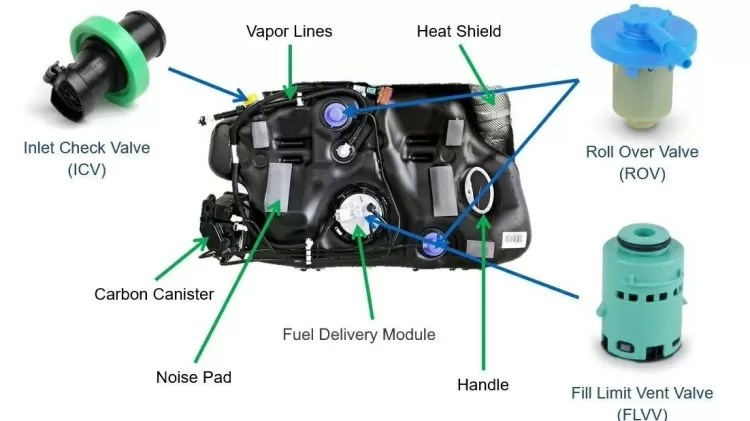
EATON, a company committed to sustainability, is locally developing the valves that integrate the Gas Recovery System (Onboard Refueling Vapor Recovery – ORVR), a technology that plays a crucial role in reducing environmental impacts and promoting health.
This system was created to comply with the 492/2011 resolution of the National Environment Council (CONAMA), which sets progressive goals for reducing pollution caused by gasoline and ethanol vehicles. Since 2023, manufacturers must equip 20% of the cars sold in Brazil with this technology, in line with the Air Pollution Control Program for Motor Vehicles (Proconve). In 2024, this requirement will increase to 60%, and starting in 2025, all new vehicles must leave the factory with the ORVR system installed.
The operation of the ORVR involves installing valves in the fuel tanks, along with adjusted refueling ducts and carbon filters. These components prevent gasoline and ethanol vapors from escaping into the atmosphere during refueling at fuel stations.
Instead, the vapors are stored and converted into energy for the vehicle’s engine when it is started. In addition to minimizing the emission of toxic gases during refueling, the system also reduces emissions when the car is parked in the sun or in motion.
Benefits for the Environment and Health
According to Afeevas (Association of Equipment Manufacturers for Vehicle Emission Control in South America), the introduction of the ORVR system in Brazilian vehicles will result in significant improvements in public health and the environment.
The reduction of gases like ozone will bring significant benefits, including a decrease in hospital admissions and premature deaths related to respiratory diseases. The association estimates that the savings for the health system could reach US$ 2.3 billion per year with the reduction in pollution levels.
In addition, the ORVR helps retain benzene, a carcinogenic gas harmful to health. Retaining this gas during refueling at fuel stations is essential to protect gas station attendants and other workers who are directly exposed to gasoline and ethanol vapors. The new technology not only protects the environment but also promotes a safer working environment for these professionals.





-

1 person reacted to this.