





 Portuguese
  English
  Spanish
  5 min of reading
  0 comments


New Hilux Z sold in Japan has a converted price lower than the Brazilian Hilux SRX, 2.8 diesel engine and Cyber SUMO design, but the comparison requires considering taxes, equipment, import costs, and commercial strategies applied in each market.
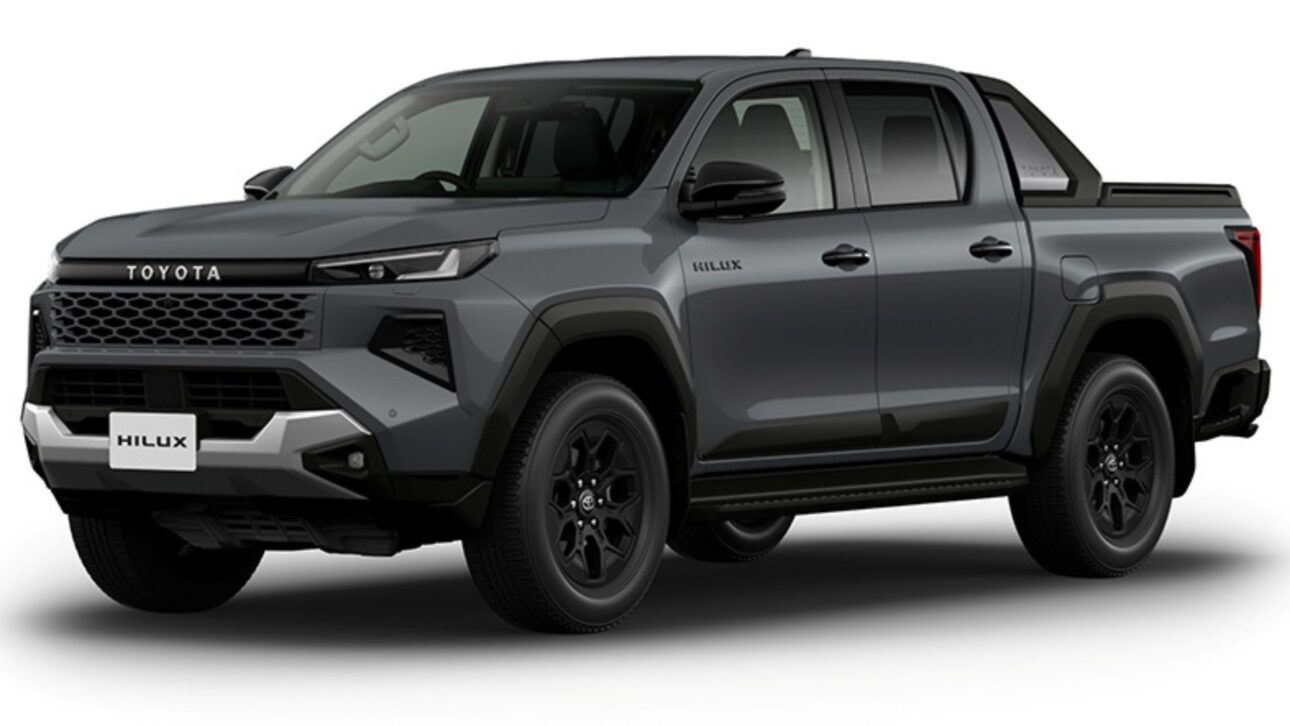
The Toyota Motor Corporation launched in Japan, on May 28, 2026, the new Hilux Z, a double-cab version of the mid-size pickup equipped with a 2.8 diesel engine, partial 4×4 traction, and a six-speed automatic transmission.
Announced at 4,980,800 yen, the model is equivalent to about R$ 157,000 in direct conversion, without considering Brazilian taxes, freight, nationalization, homologation, or commercial costs necessary for eventual sale in Brazil.
In the Brazilian market, the Hilux CD SRX 4×4 2.8 TDI diesel automatic 2026 is officially offered by Toyota of Brazil for R$ 346,890 in cash, in a promotion valid for vehicles invoiced between June 1 and 30, 2026.
-
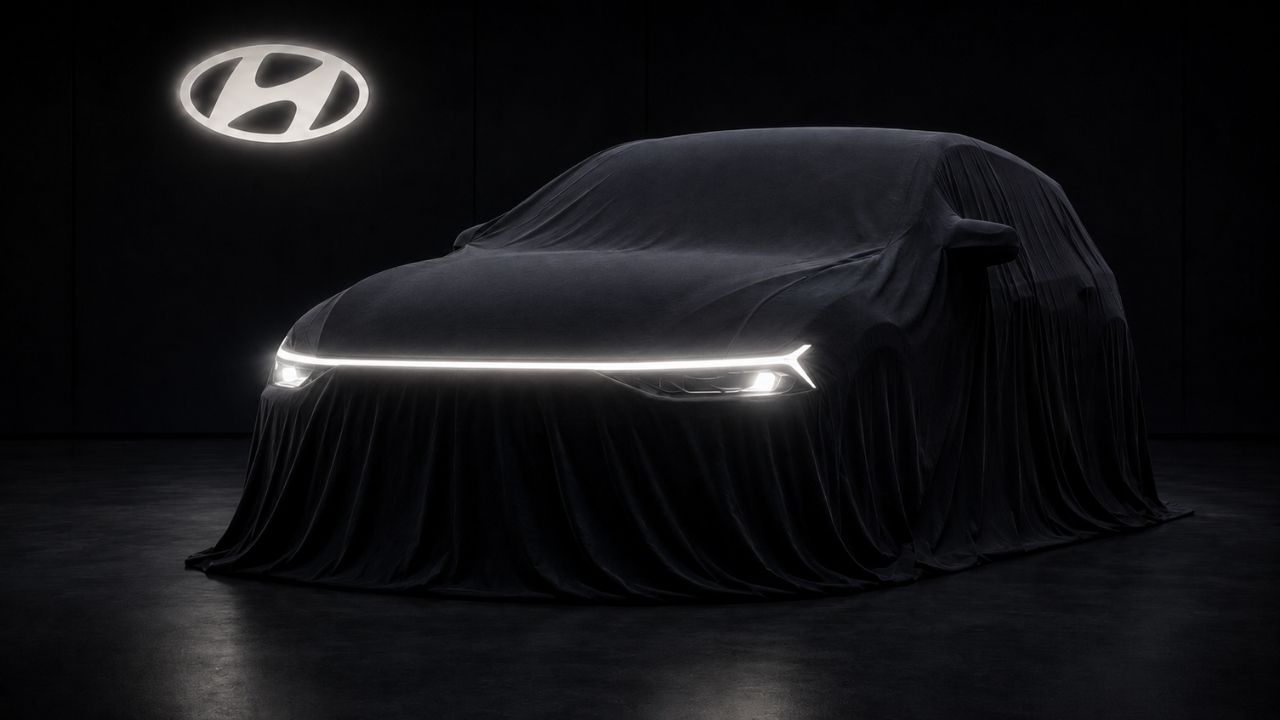
Hyundai i20 arrives in Brazil with a price to compete with the Volkswagen Tera: 1.0 turbo engine with 115 hp, automatic transmission, 346-liter trunk, and two 12.3-inch screens targeting compact cars and entry-level SUVs.

-
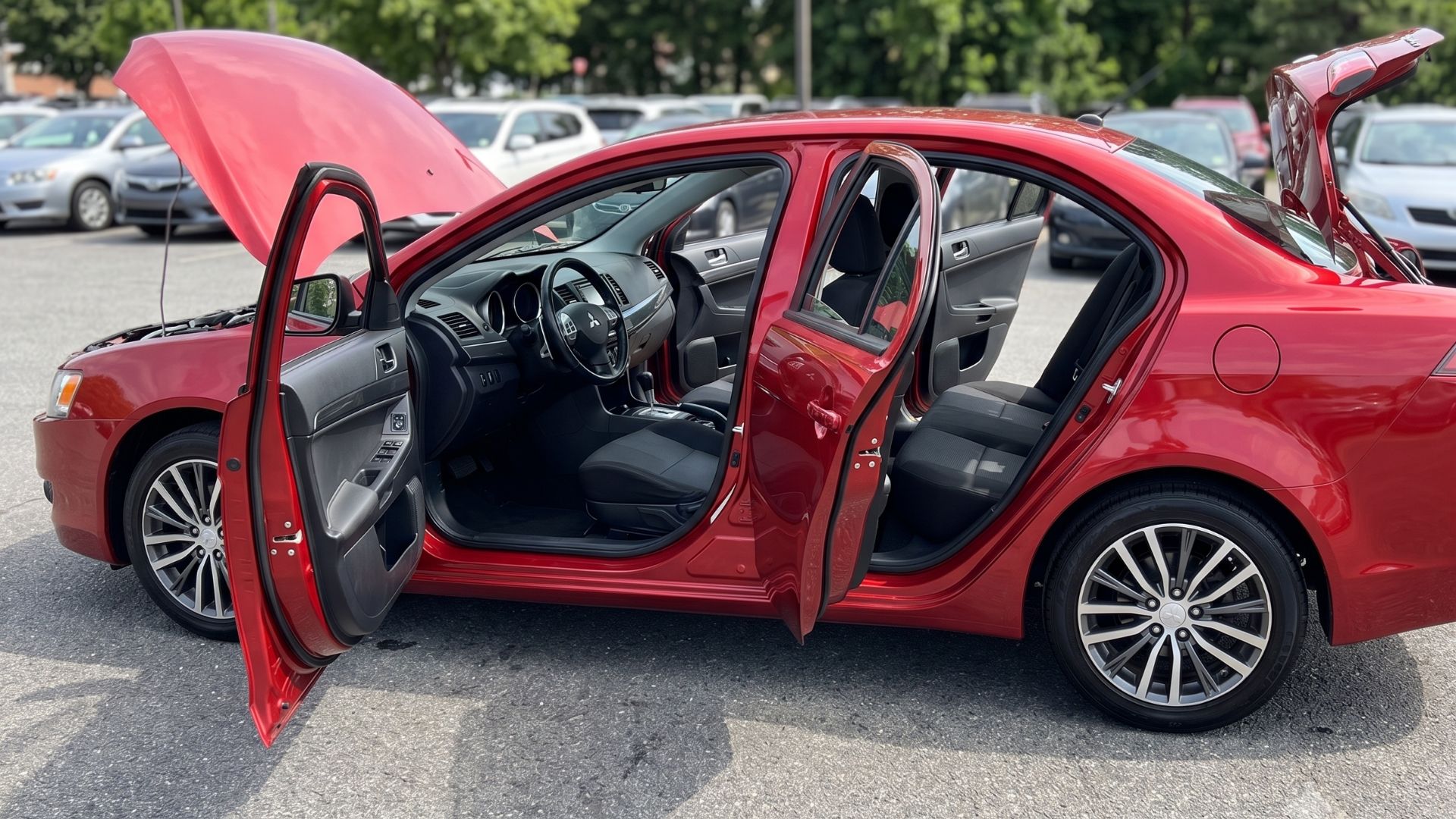
In the range of R$ 65,000, the 2018 Mitsubishi Lancer HL-T 2.0 CVT offers a 160 hp engine, sporty appearance, automatic transmission, and multilink rear suspension for those looking for a used sedan different from the more common models.

-
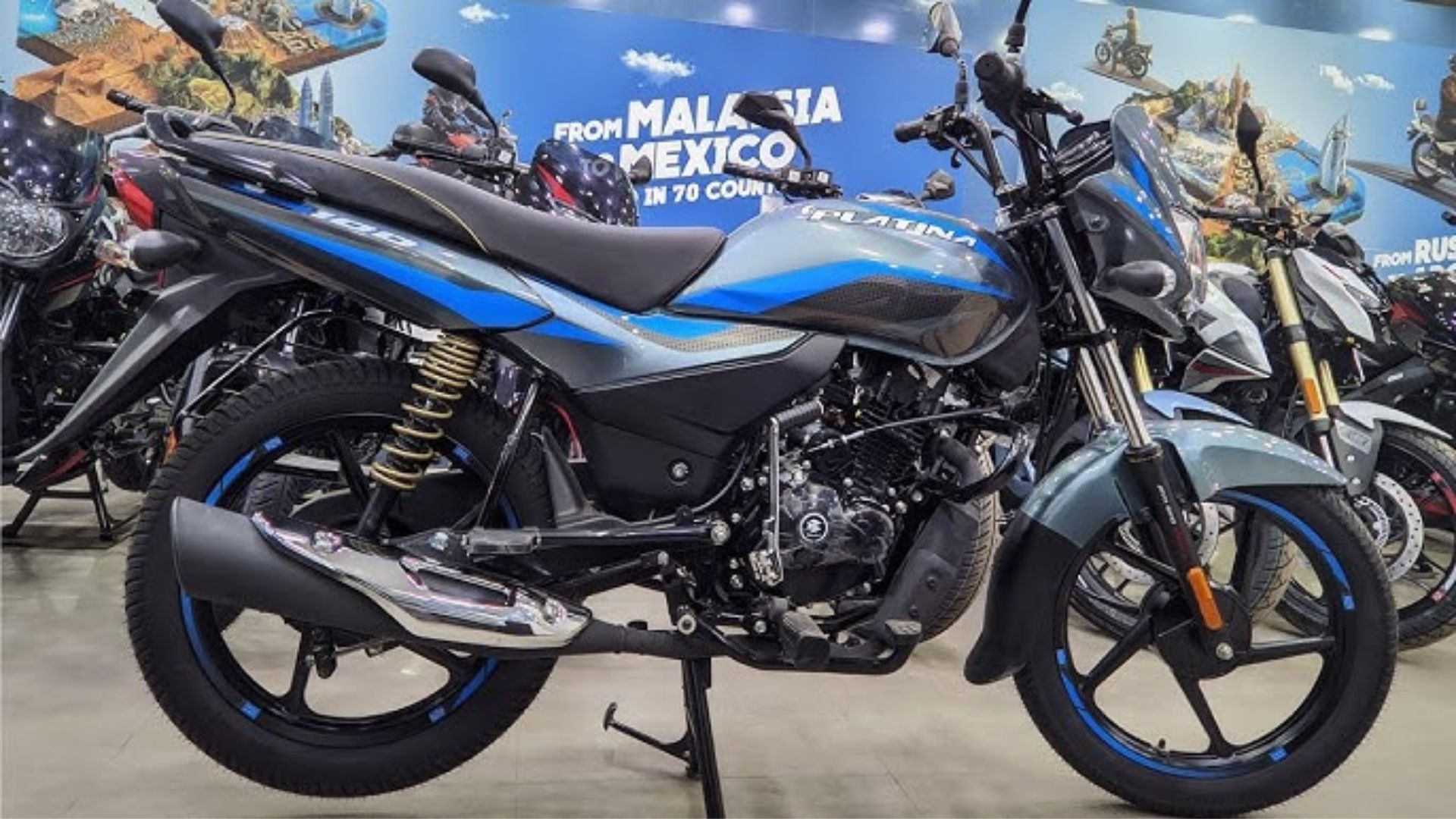
Bajaj created a popular motorcycle that can exceed 800 km per tank: Platina 100 has a 99.59 cc engine, an 11-liter tank, and fuel consumption that can reach 75 km/l according to owner reports.
-
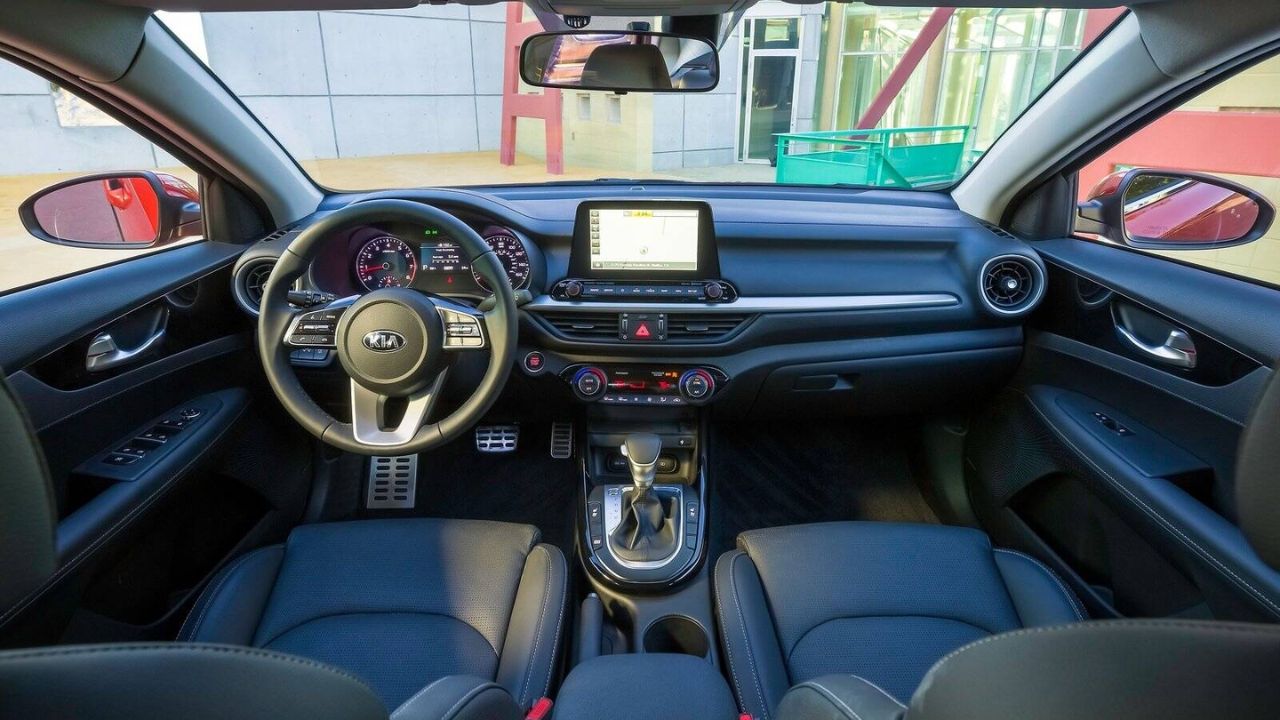
Costing less than Corolla and Civic: with a 2.0 flex engine of up to 167 hp, 6-speed automatic transmission, 2.70-meter wheelbase, 520-liter trunk, and six standard airbags, this sedan surprises with its space, safety, and value for money: meet the Kia Cerato EX 2020

Although the values are related to the same global name, the comparison does not represent an estimate of the national price, as each country adopts its own rules for taxation, distribution, equipment package, and commercial positioning.
Price of Hilux Z in Japan and comparison with Hilux SRX in Brazil
In the Japanese table, the Hilux Z has a suggested price with local consumption tax included, but does not include the recycling fee provided for the Japanese market.
Toyota also informs specific conditions for Okinawa, which limits the scope of the disclosed table and prevents the value from being treated as a direct reference for import or sale in Brazil.
By direct currency conversion, the 4,980,800 yen is close to R$ 157,000, a value used only as a reference to measure the difference between the prices disclosed in the two markets.
This calculation does not include Import Tax, IPI, ICMS, PIS/Cofins, international transport, insurance, technical adaptation, warranty, network margin and other costs involved in a commercial operation in Brazil.
The Hilux SRX 2026 officially sold by Toyota of Brazil includes a local configuration, with price, equipment, and commercial policy defined for the Brazilian market.
Among the items listed in the national offer are a 360-degree camera, JBL sound system, ventilated front seats, seven airbags, and Toyota Safety Sense, which requires caution in direct comparisons with the Japanese specification.
2.8 Diesel Engine, 6 Super ECT Transmission, and 4×4 Traction
The Japanese Hilux Z uses the 1GD-FTV engine, a 2.8 direct injection diesel, paired with the 6-speed automatic 6 Super ECT transmission.
According to Toyota, the set was developed to offer acceleration at starts, usage efficiency, and lower noise levels, without deviating the pickup from the durability proposal linked to the Hilux line.
The partial 4×4 traction can be selected by a transfer command, a feature used to switch driving modes according to adhesion needs and terrain type.
Another equipment mentioned by the manufacturer is the Multi-Terrain Select, a system that coordinates engine power and brake hydraulic pressure according to the surface, in addition to the Multi-Terrain Monitor, aimed at enhancing visibility in off-road sections.
The structure follows the ladder frame chassis type, architecture applied in pickups and utility vehicles designed for load, torsion, and use in varied conditions.
On the IMV series platform, Toyota reports having applied structural reinforcements, including increased thickness in side members and additional welds on the floor, aiming to enhance rigidity, stability, and ride comfort.
Cyber SUMO Visual and Cabin with 12.3-inch Screen
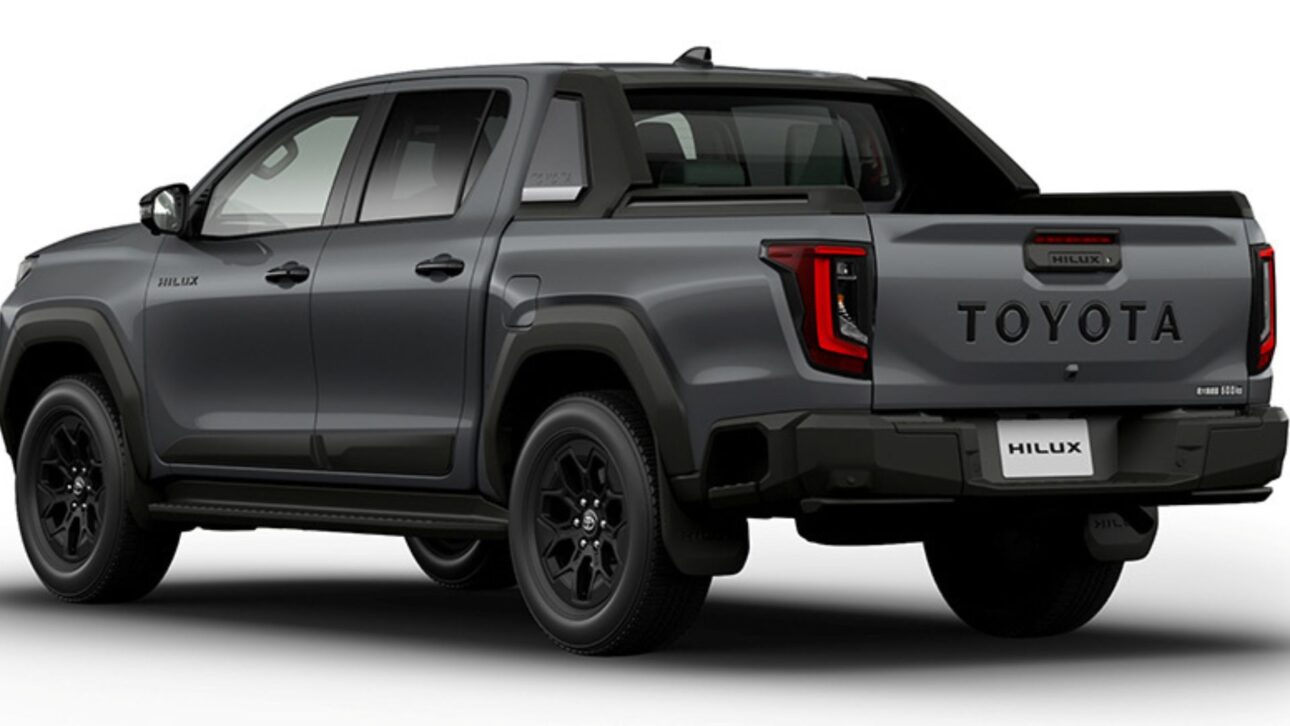
The design of the new Japanese Hilux follows the Cyber SUMO concept, a name used by Toyota to define the combination of visual presence, marked front, and more robust-looking lines.
At the front, the pickup features sculpted shapes in the fenders, grille, and bumper, while the body maintains double cab proportions and a separate cargo bed.
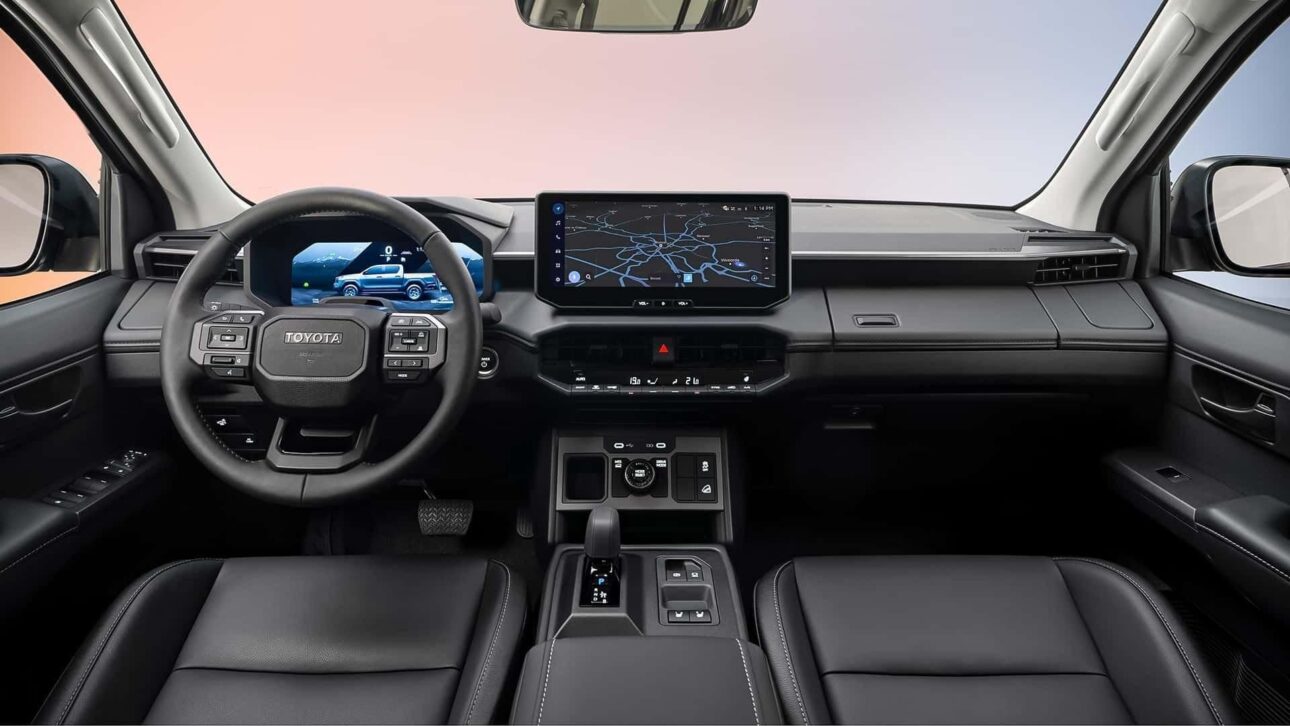
Inside, the cabin received a horizontal dashboard, wide central console, and an independent 12.3-inch central screen, a set described by the automaker as part of the proposal to improve command readability.
According to Toyota, this arrangement aims to reduce the driver’s eye movement and facilitate the perception of the vehicle’s position in off-road driving situations.
The official measurements reported by the manufacturer are 5,325 mm in length, 1,885 mm in width, and 1,865 mm in height, dimensions compatible with the new Hilux’s mid-size pickup proposal.
The cargo bed has a flat floor, side rear steps, and a load capacity of up to 500 kg, according to internal measurements released by Toyota for the version sold in Japan.
Safety, connectivity, and production in Thailand
The new Hilux launched in Japan received an expanded version of the Toyota Safety Sense, a driver assistance package adopted in different models of the brand.
Among the disclosed features are proactive driving assistance and a pre-collision system capable of detecting oncoming vehicles during right turns, as well as pedestrians crossing during maneuvers.
The model also features Display Audio Plus with a 12.3-inch HD screen, connected navigation with maps, and traffic information updated via connection to a data center.
In connected services, Toyota mentions Help Net, a system that automatically contacts an operator when an airbag is deployed, aiming to speed up assistance in emergency situations.
The production of the Hilux destined for Japan takes place at the Ban Pho plant, a unit of Toyota Motor Thailand located in Thailand.
The base sales forecast released by the automaker is 690 units for the Japanese market, a volume indicating an operation focused on a specific configuration within the brand’s local strategy.
Despite featuring a 2.8 diesel engine, 4×4 traction, and new generation design, the Japanese Hilux Z has not been officially announced for sale in Brazil in this configuration.
At this moment, the relationship between the two models is limited to the contrast between the converted price disclosed in Japan and the national value of the Hilux SRX 2026, a comparison that depends on taxes, local costs, equipment package, and commercial policy of each market.


Be the first to react!