Portuguese
  Spanish


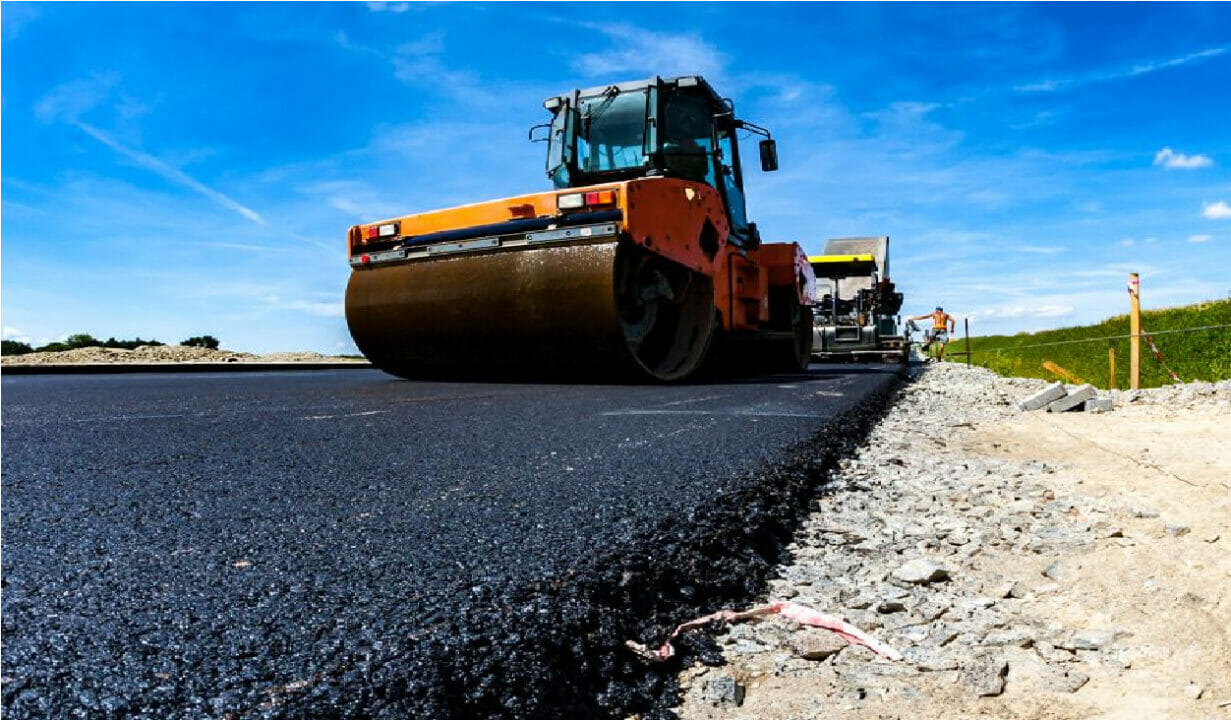

Graphene And Recycled Rubber In The Creation Of Ecological Asphalt Binder Resulted, By The Startup, In The New Environmentally Friendly Solution For Asphalt Without The Use Of Petroleum
A research initiated at the State University of Maringá (PR) nearly a decade ago gave rise to the startup CarbonExplore. The company developed an innovation with great potential to reduce environmental damage: the ecological asphalt binder, composed of polymers combined with graphene and recycled rubber, without the use of petroleum. This innovation replaces bitumen, a petroleum-based product known for its high environmental impact. The ecological asphalt binder is in the final testing phase, and the next step is to initiate its commercialization, according to the website Agência Sebrae.
The starting point for the startup CarbonExplore was research on the use of graphene, a crystalline form of carbon, which began at the State University of Maringá. This material, obtained by CarbonExplore through electrochemical and mechanical processes, has become the basis for a variety of innovative and ecological products. One of them is the asphalt binder, intended for paving without the use of petroleum derivatives.
An Eco-Friendly Alternative To Bitumen Developed By The Startup
Bitumen, traditionally used in the production of asphalt, is notorious for its negative environmental impact due to its main component: petroleum. The ecological asphalt binder from the startup CarbonExplore is a more sustainable alternative, as it combines polymers, graphene, and recycled rubber. This combination not only reduces dependence on petroleum but also contributes to rubber recycling.
-
Google Invests Billions in Italian Island’s Innovative Energy Storage Using Liquid CO2 Technology

-
LG Unveils 670-Liter Multidoor Refrigerator in Brazil with Transparent “InstaView” Panel, Independent Temperature Zones, and Smartphone Control, Starting at $15,100
-
Scientists Convert Common Plastic into Synthetic Graphite for Electric Car Batteries, Paving the Way for High-Value Recycling

-
Divers Recover 2,600-Year-Old Phoenician Shipwreck from Seabed in Spain to Prevent Damage


The startup CarbonExplore received support and recognition from Sebrae, an organization that supports Brazilian entrepreneurship. The company was one of the selected participants to present its innovation without the use of petroleum and using graphene at the International Innovation Congress of Industry, held in São Paulo. This opportunity provided visibility to the startup and a chance to establish connections with potential clients and partners.
Sustainability As A Central Focus In The Startup
For Henrique Geraldino, a partner at CarbonExplore, the growing concern for sustainability is evident, considering the negative impacts of human activities on the environment. He emphasizes the importance for industries to adopt more ecological measures, including the adoption of eco-friendly products and more sustainable production practices, such as the use of graphene.
Eco-innovation, which focuses on developing more sustainable products and processes, is seen as an advantage for industries. It can enhance production process efficiency, reduce costs, improve brand reputation, and open doors to new markets. In addition, it contributes to the reduction of socio-environmental impacts.
Catalisa ICT: Accelerating The Transition From Academia To Market
CarbonExplore participated in the Catalisa ICT program from Sebrae, which accelerates the transition of academic projects to the market. This initiative involves training in management, mentorship, project support, and access to the business world. The program aims to leverage the vast knowledge produced by Brazilian universities and transform it into commercial innovations.
Startups, due to their agility and ability to innovate rapidly, play a fundamental role in the diffusion of new technologies and in solving complex problems faced by traditional companies. They have the potential to accelerate the adoption of more sustainable solutions.
CarbonExplore represents an inspiring example of how academic research can lead to practical and ecological solutions through the use of graphene. As concerns about the environment grow, companies like CarbonExplore are at the forefront of creating sustainable alternatives, driving innovation and raising awareness about the importance of eco-innovation and the use of graphene and other components.