Portuguese
  Spanish



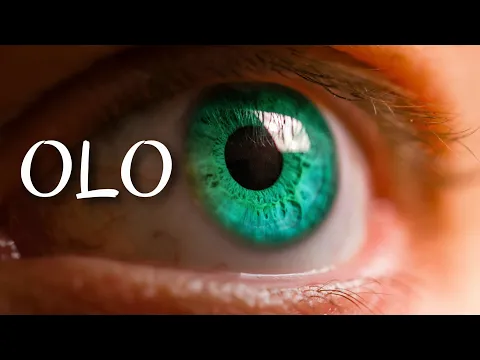
Only 5 People in the World Have Seen the Color “olo”, Created with a Laser That Tricks the Retina
Have you ever imagined seeing a color that no one else in the world can see? Scientists at the University of California, Berkeley achieved the impossible: creating a new color for the human eye. The experiment, conducted using precision lasers and advanced eye tracking, allowed five volunteers to see a shade that simply does not exist in nature or on screens, according to the MSN website.
How Is It Possible to See a New Color?
Through the Oz Vision platform, researchers used microdoses of laser to activate only the M cones in the retina (sensitive to green light), without interfering with the L (red) or S (blue) cones. This selective activation tricked the brain, creating a new visual perception: a color dubbed “olo”, an ultra-saturated blend of green and blue — impossible to describe or represent.
“It’s a sensation of seeing something completely outside of what we know as visual reality,” reported one of the volunteers.
ARTICLE CONTINUES BELOWSee also
Spain Launches World’s Largest Floating Dry Dock: 56-Meter Giant Produces Massive Concrete Structures in A Coruña Using Technology Proven in Brazil

AI-powered toys that talk, recognize faces, and collect data face scrutiny from Brazilian government over children’s privacy concerns

4,000-Year-Old Child’s Skull Unveils Ancient Burial in 7,500-Year-Old Norwegian Rock Shelter, Impressing Archaeologists

Norway Defeats Brazil in World Cup but Invests Billions to Preserve the Amazon, Strengthens Amazon Fund, and Joins Brazil in Leading Global Effort Against Tropical Deforestation





What Is the Oz Vision System?
The revolutionary technology combines:
Ultra-thin lasers
High-precision moving mirrors
Real-time optical sensors
Eye tracking software (nicknamed Wizard)
With it, each cone of the retina can be individually stimulated, even with the eye in constant motion.
Why Is the Discovery So Important?
The color “olo” cannot be printed, displayed on screens, or described with words
It is visible only with direct stimulation of the retina
It could represent a new sensory dimension for humans
In tests, participants were exposed to all colors of the visible spectrum and could not compare “olo” to any of them.
Future: Colors for the Colorblind and Beyond
The technique also has the potential to create “virtual cones”, which could allow colorblind individuals to see a wider range of colors. In tests with primates, scientists have already succeeded in expanding color perception — and hope for similar results in humans.