Portuguese
  Spanish


Technical note from the Ministry of Justice warns of emotional manipulation, personal data collection, and lack of transparency in smart toys sold in Brazil
This month, the National Secretariat for Digital Rights, linked to the MJSP, published a technical note on potential risks for children.
The document highlights concerns about emotional manipulation, personal data collection, and lack of clarity about the functioning of these products.
-
4,000-Year-Old Child’s Skull Unveils Ancient Burial in 7,500-Year-Old Norwegian Rock Shelter, Impressing Archaeologists

-
Norway Defeats Brazil in World Cup but Invests Billions to Preserve the Amazon, Strengthens Amazon Fund, and Joins Brazil in Leading Global Effort Against Tropical Deforestation

-
Denmark Constructs Its Largest Breakwater with 175 Concrete Blocks and World’s Largest Excavator to Combat 8-Meter Waves, at a Cost of $156 Million

-
Swedish Company Develops Offshore Wind Turbine That Eliminates the Need for Cranes and Simplifies Maintenance




The analysis recommends that possible irregularities be investigated by the responsible authorities.
Technical note points out risks for children
The analysis was conducted by the National Secretariat for Digital Rights, with participation from researchers at the Federal Rural University of Pernambuco.
According to the document, some toys may not comply with rules set out in the Digital ECA.
For this reason, Sedigi recommends oversight by the National Consumer Secretariat and the National Data Protection Authority.
The investigation should verify if manufacturers and stores correctly inform the risks.
It should also analyze how the processing of collected personal data occurs during the use of the toys.
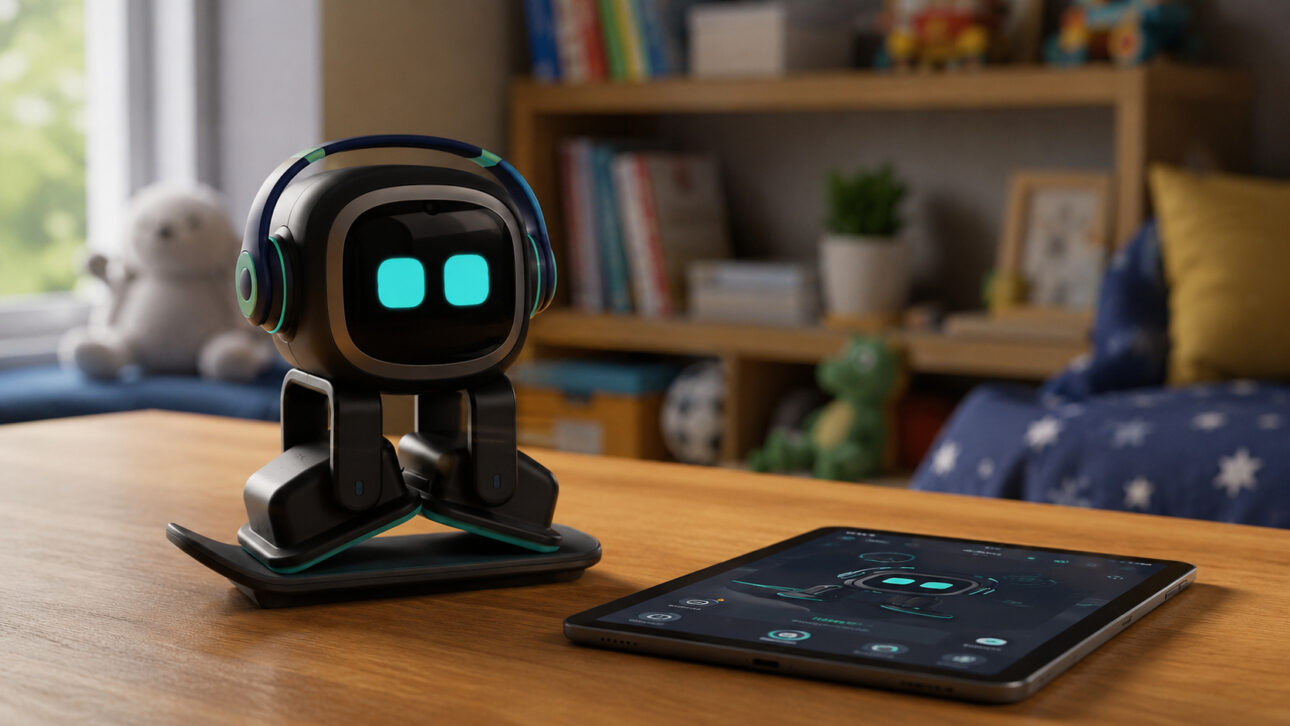
Six products sold in Brazil were analyzed
To prepare the study, Sedigi evaluated six devices sold in marketplaces operating in Brazil.
Among them are:
- Loona, robotic pet;
- EMO, companion robot;
- Miko 3, educational robot;
- Aibi, pocket robotic pet;
- Amazon Fire HD Kid Pro, tablet for children aged 6 to 12;
- Vector, autonomous robot.
The products were found on platforms such as Amazon, Mercado Livre, Shopee, AliExpress, Magazine Luiza, eBay, and Casas Bahia.
Data collection concerns authorities
According to the technical note, these toys usually have cameras, microphones, and sensors.
These features can capture facial biometrics, voice, and characteristics of the home environment.
The devices use artificial intelligence to converse, simulate emotions, and adapt responses to the child’s behavior.
As a result, according to the document, there may be a continuous data collection during interaction.
The Ministry of Justice also points out that this bond can favor emotional manipulation.
Excessive use of the toys may be encouraged, especially when there are personalized responses.

International cases reinforce alert
The technical note also cites international situations considered concerning.
One example is the doll My Friend Cayla, banned in Germany.
German authorities concluded that the toy could record conversations accessed by third parties.
Because of this, the doll was even called a spy device.
The document also mentions cases of leaked children’s audio involving the robot Miko 3.
Loona uses ChatGPT, camera, and sensors
Among the devices analyzed, Loona was highlighted in the technical note.
The robotic pet simulates a pet and uses natural language processing.
The device has integration with ChatGPT.
The toy also uses sensors to map the house and a camera to recognize users.
According to the analysis, this set of features increases the need for transparency for families and guardians.
Marketplaces are also mentioned
The Ministry of Justice states that e-commerce platforms also have responsibility for the sale of these products.
According to the department, the sites must clearly inform when a toy uses artificial intelligence.
Packaging and sales pages must include warnings about internet access.
They must also indicate privacy risks and the need for parental supervision.
The document concludes that there are indications of possible systemic irregularities.
Therefore, it recommends a formal investigation, as the facts may affect the fundamental rights of children and adolescents.
What the companies say
AliExpress reported that it maintains an open dialogue with regulatory authorities.
The company stated that it operates according to the laws of the countries where it is active and requires the same from its sellers.
Mercado Livre declared that it follows the guidelines of the Digital ECA.
The company also stated that it adopts protection measures for underage consumers.
It also said that it monitors advertisements and maintains continuous collaboration with public authorities.
Casas Bahia reported that it has a dedicated area for regulation and compliance.
The company stated that it has taken steps to prevent further sales of the mentioned products.
What changes for parents and guardians?
The technical note from the Ministry of Justice reinforces an important alert for Brazilian families.
Toys with AI can offer interaction, education, and entertainment.
However, they can also collect sensitive data and create emotional bonds with children.
Therefore, the transparency of companies and the oversight of public bodies become central points.
After all, technology must advance without compromising children’s privacy, digital security, and the rights of children and adolescents.
Do you think toys with artificial intelligence should have stricter rules before being sold to children? Leave your opinion!