





 Portuguese
  English
  Spanish
  3 min of reading
  0 comments


Drones Begin Issuing Fines in Brazil and Promise to Transform Traffic Enforcement with Greater Reach, Precision, and Safety on the Roads
The Brazilian traffic is undergoing changes. One of the most visible is the use of drones to monitor and fine drivers. They are already being used on urban roads and highways to identify violations more accurately. The idea is to modernize enforcement and make the streets safer for everyone.
How Drone-Issued Fines Work
The drones fly over specific areas chosen by the traffic authorities. They capture images of violations committed by drivers.
After that, the recordings are sent to monitoring centers. There, specialized agents analyze the images and confirm whether a violation occurred or not.
-
Only 28% of the ocean floor has been accurately mapped, less than what is already known about the surface of Mars and the Moon, and scientists consider the topic strategic for Brazil, with a global goal to map everything by 2030.

-
Japan wants to bury a 500 km “cargo conveyor” between Tokyo and Osaka to replace up to 25,000 trucks per day, move goods through tunnels and automated driverless corridors, and avoid a logistical collapse in an increasingly aging country.

-
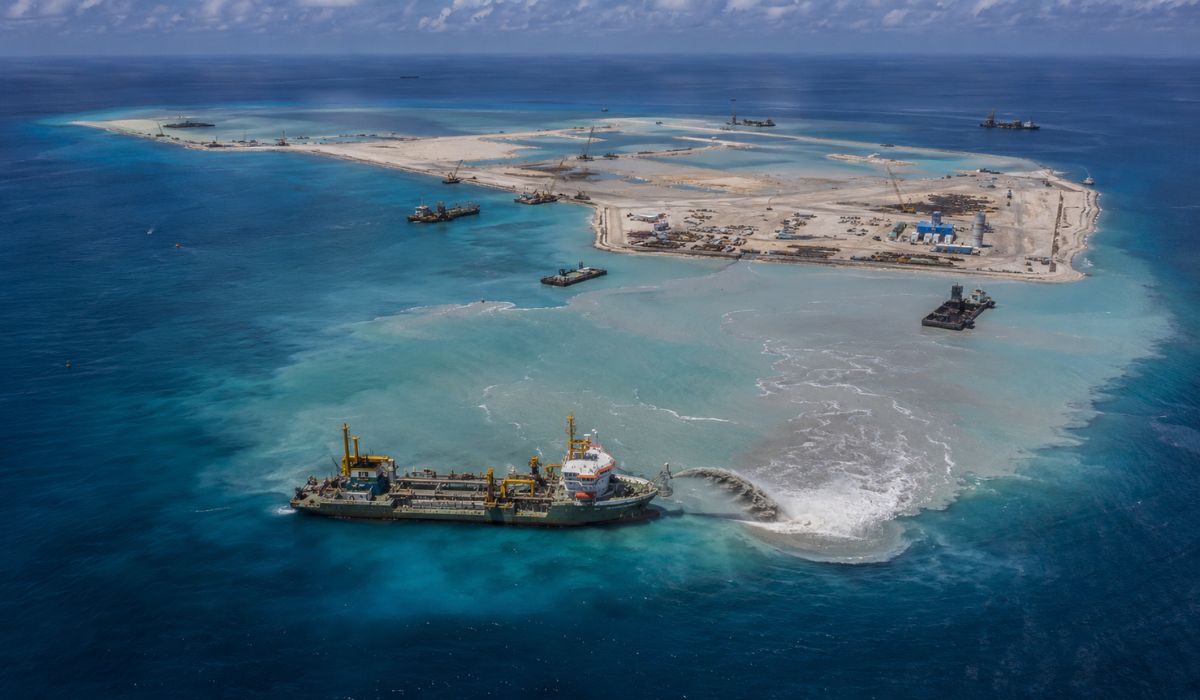
Vietnam dumps sand in the South China Sea and transforms disputed reefs into artificial islands with an area equivalent to more than 1,500 football fields, builds 15 ports in the Spratly Islands, and expands bases in the ocean while challenging Chinese pressure in one of the most tense maritime regions on the planet.

-
Is Rosie from the Jetsons becoming a reality? China tests “robot cleaners” with artificial intelligence inside homes for R$ 114, capable of collecting trash, folding clothes, and mapping apartments, turning domestic cleaning into a living laboratory for companies that want to teach machines to act like humans.



When the violation is confirmed, the data is cross-referenced with information from the Detran. From this, the fine is issued to the responsible driver. The entire process is conducted following norms and regulations established by the traffic authorities.
Rules for the Use of Drones
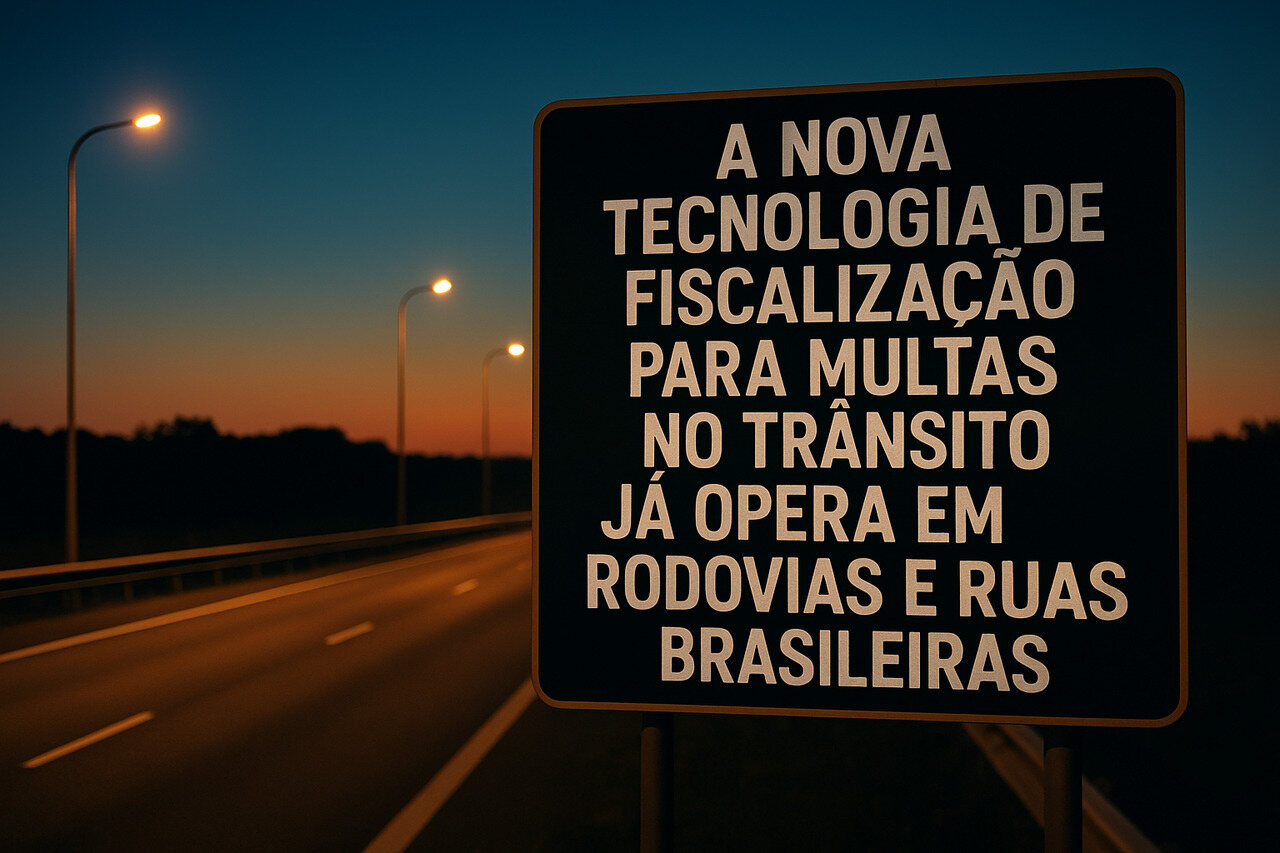
The use of drones to issue fines must follow clear rules. According to Contran and Senatran, it is mandatory to have adequate signage in the locations where this type of enforcement occurs. The signs need to clearly and visibly inform drivers.
Without this signage, the fine cannot be applied. This ensures transparency and respects the rights of drivers. The presence of the sign is what validates the use of the drone in that monitored stretch.
Most Common Violations Captured by Drones
Among the most common violations captured by drones are running a red light and improper travel on the shoulder. Fines are also recorded for drivers not using seat belts.
Another infraction that drones help to combat is using a mobile phone while driving. Since drones can track the trajectory of vehicles, they also identify those who exceed the speed limit in critical areas.
Who Operates the Drones and How Analysis is Conducted
State and municipal agencies are responsible for operating the drones. Their use is regulated by Denatran, which has established rules to ensure that the images are used ethically and legally.
Trained traffic agents are responsible for controlling the drones and analyzing the captured images.
They follow technical and legal protocols to ensure that individuals’ privacy is respected during the enforcement work.
Advantages and Challenges of the New Technology
The main benefit of using drones is the increased coverage of enforcement. They can reach places that agents cannot easily monitor.
Furthermore, because they are less visible, drones reduce risky behaviors among drivers who change their conduct when they see an agent nearby.
On the other hand, implementing this system requires investment. It is necessary to purchase equipment, train operators, and adjust laws to avoid issues.
Transparency and respect for drivers’ rights remain essential points in this process.
Direct Impact on the Routine of Drivers
With drones monitoring traffic, drivers need to be more attentive. Even in areas without physical agents, violations can still be recorded.
This may change the behavior of many drivers, promoting greater caution while driving.
The new system can help reduce accidents and encourage respect for the laws. The fines issued by drones follow the same legal path as conventional infractions.
The driver still has the right to defend themselves and appeal, just as it occurs with other offenses.
Enforcement by drones represents a new moment in Brazilian traffic. More than just issuing fines, the goal is to increase safety and ensure compliance with the laws.
To achieve this, technology is used responsibly, within the law, and with attention to drivers’ rights.
With information from O Antagonista.





-

1 person reacted to this.