






 Portuguese
  Spanish


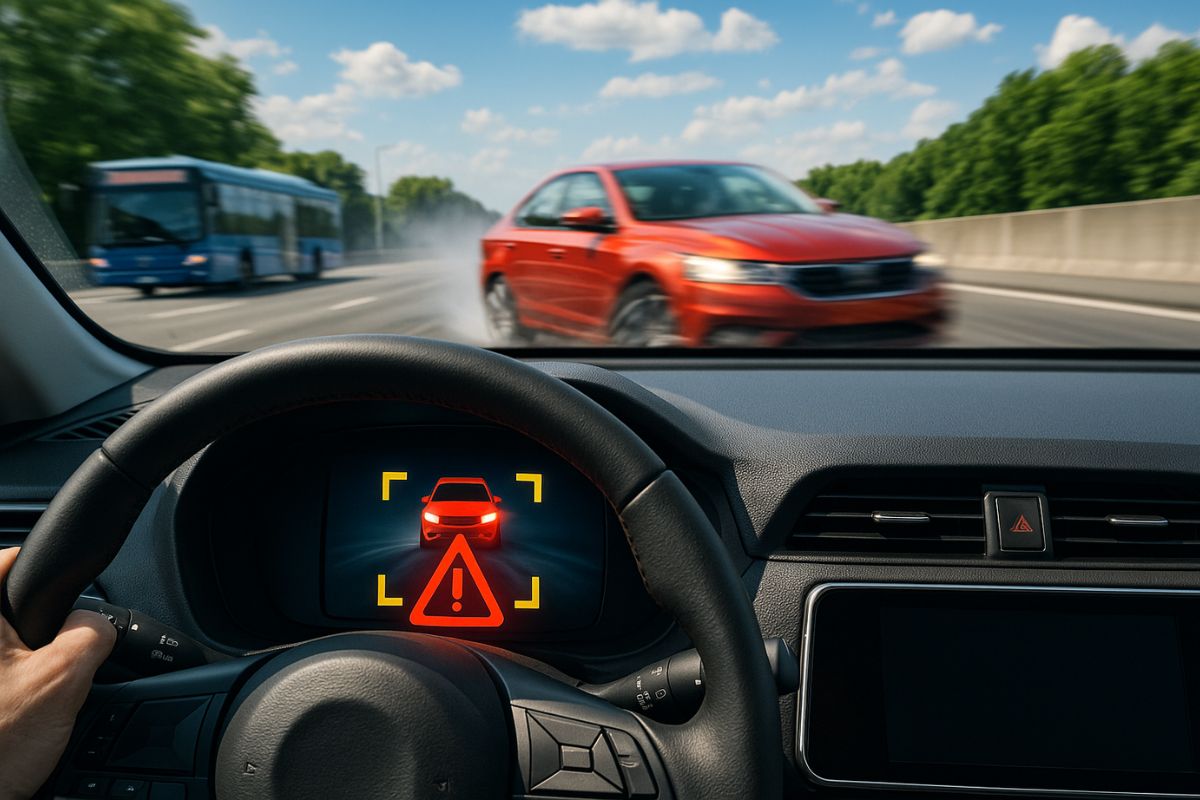

Artificial Intelligence Already Predicts Collisions Before They Happen: New Technology in Cars Promises to Save Lives. Brazilian System Reaches Up to 94% Accuracy in Accident Prediction and Could Transform Road Safety.
A research developed in Paraná promises to change the future of road safety in Brazil. Scientists from PUC-PR and UTFPR created a system based on artificial intelligence that anticipates traffic accidents with up to 94% accuracy. The solution, referred to as new technology in cars, could serve as a basis for public policies, safer infrastructure, and even embedded devices in vehicles.
The study analyzes road patterns, driver profiles, and environmental factors to predict the risk of collisions before they even happen. According to data from the World Health Organization (WHO), Brazil ranks third among countries with the highest traffic fatalities, and in 2024 alone, over 6 thousand people lost their lives on federal highways. This innovation could represent a tipping point.
How Artificial Intelligence Identifies Risks
The project uses data mining algorithms to process historical accident information in Paraná, divided into two periods: 2004 to 2013 and 2019 to 2024. Among the tools applied, the CBA (Classification Based on Associations) software stands out, capable of creating association rules to predict when and where an accident might occur.
-
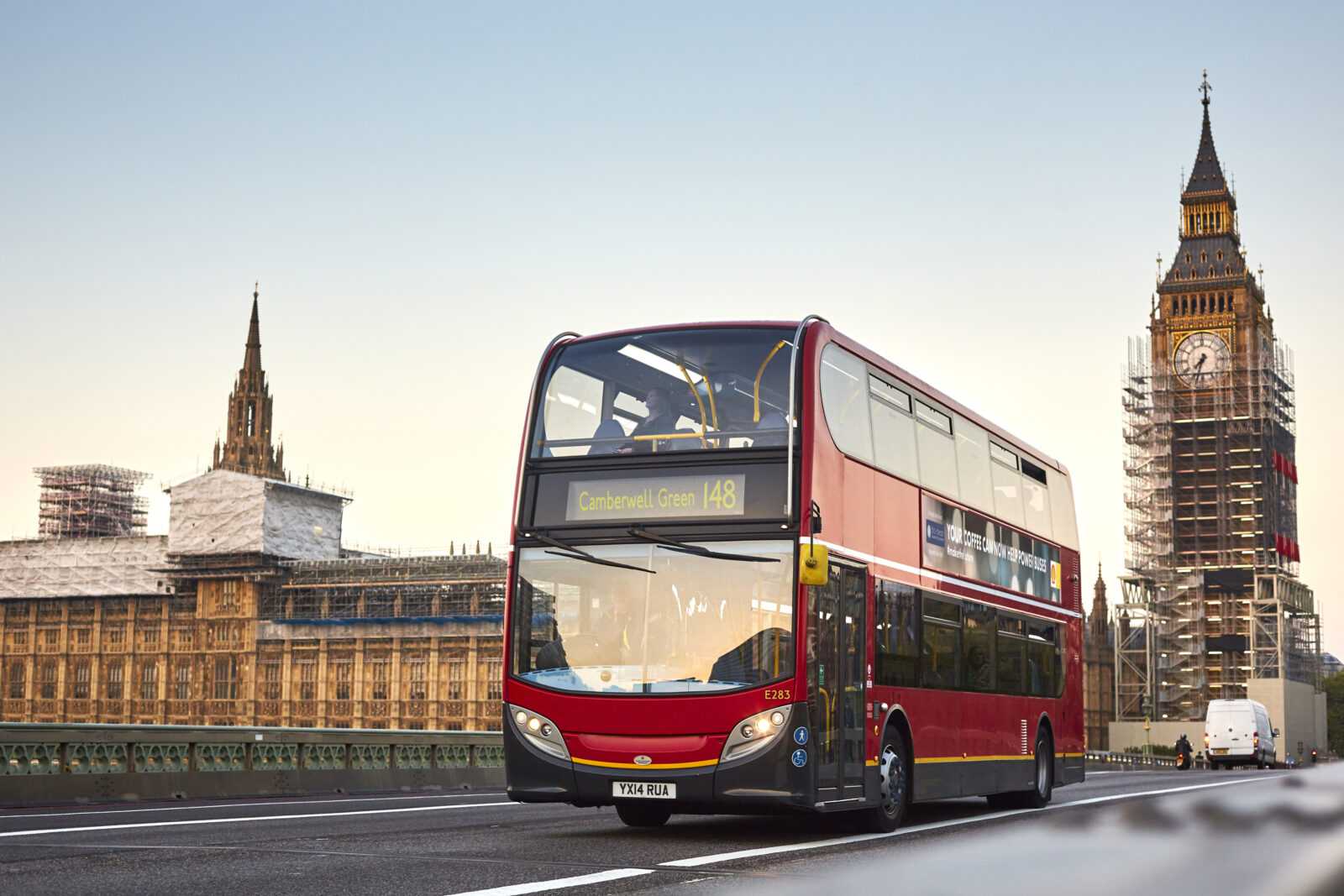
London buses run on biofuel made from coffee grounds, turning café waste into sustainable public transport fuel without engine modifications.

-
Major Automaker Considers Closing 4 Factories, Putting 45,000 Jobs at Risk Amid Chinese Competition in Brazil

-
Formula 1 Drivers to Swap Million-Dollar Cars for Lego Karts with 28,000 Pieces and Electric Motors at Silverstone, Reaching Speeds of 25 km/h

-
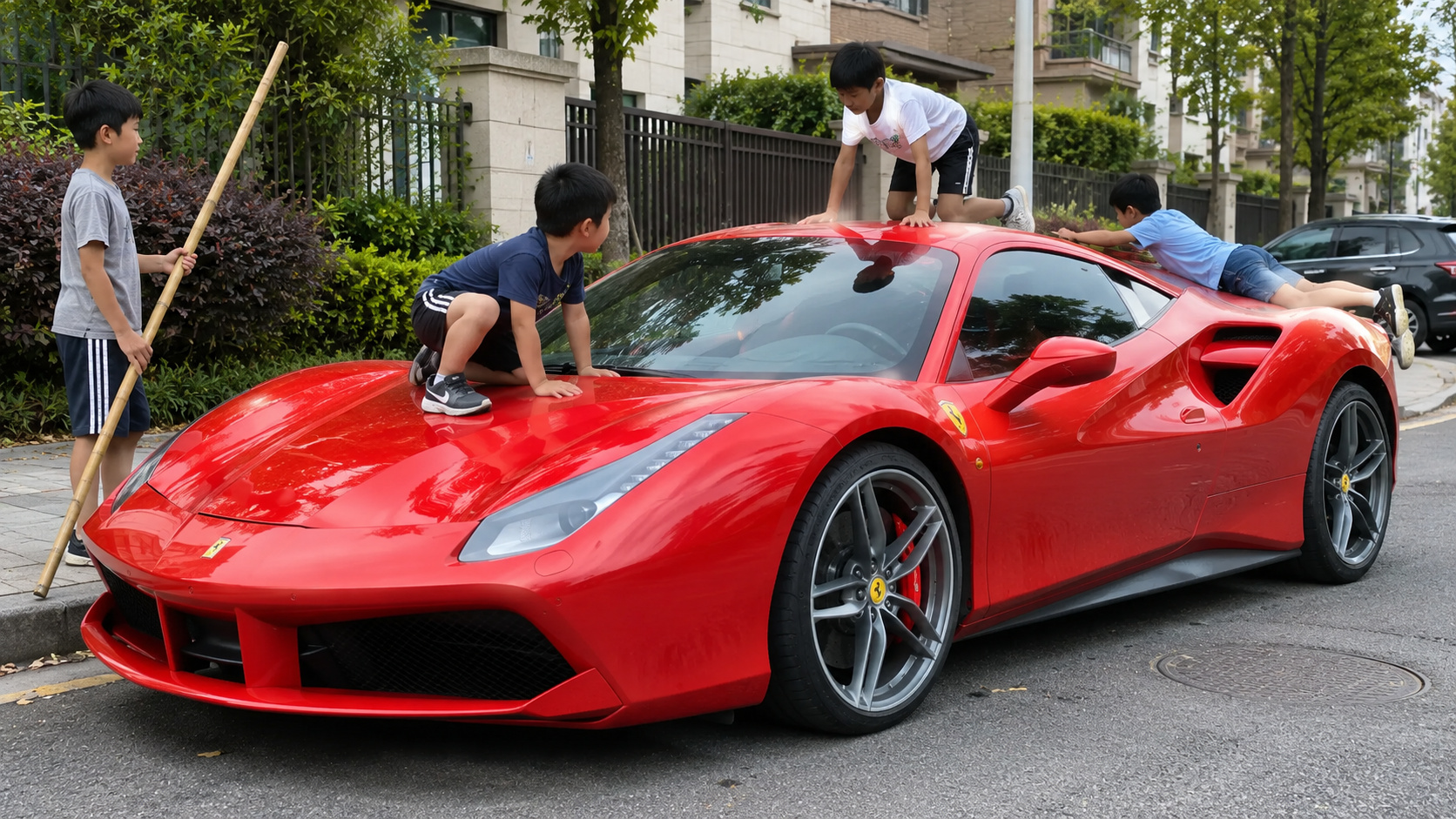
Children Turn $600,000 Ferrari into Slide, Sparking Legal Dispute in China After Video Surpasses 60 Million Views

The analyzed variables include road conditions, user profiles, weather, lighting, type of transportation, and average speed. Based on these factors, the system suggests interventions such as strengthening signage, installing radars, creating underpasses, and improving lighting.
Main Risk Factors on Highways
The research pointed out the elements that most contribute to the frequency of accidents, such as the presence of additional lanes, greater terrain sinuosity, and permissive signage for overtaking. In terms of severity, factors such as the presence of urban perimeters, poor lighting, and speeding weigh heavily.
In the case of the new technology in cars, artificial intelligence can correlate these factors in real-time, offering alerts that can be integrated into onboard systems or public management platforms.
Accuracy and Application Potential
With accuracy above 90%, reaching 94% in some scenarios, the methodology can be applied on a national scale. This means that different cities and states could use the models to adjust speed limits, install safety devices, and even guide traffic during higher risk periods.
According to researcher Gabriel Troyan Rodrigues, the proposal allows for the identification of recurring patterns that explain the causes of accidents, while professor Fábio Teodoro de Souza emphasizes that the replication of the method is feasible in various urban and highway contexts.
Artificial Intelligence and Public Management: A Necessary Partnership
With over 3.5 thousand daily deaths in accidents worldwide, according to the WHO, the use of AI in road safety is no longer an option, but an urgent need. Integrating this type of solution into public management could mean fewer tragedies, more efficiency in traffic, and a leap in mobility quality.
The research shows that, with well-structured data and advanced technology, it is possible to transform traffic into a safer system, preventing deaths and reducing social and economic costs.
And you? Do you believe that this new technology in cars can really reduce the number of accidents in Brazil? How should it be implemented to work effectively? Share your opinion in the comments.


