The American automaker was the darling of the stock market and promised to retire the diesel truck, until a video, a fraud accusation, and the founder’s conviction turned the billion-dollar promise into one of the recent major fiascos of the automotive industry
Nikola was once worth nearly 30 billion dollars on the stock market by promising hydrogen trucks that would change transportation, and ended up filing for bankruptcy. The brutal turnaround began when it was discovered that the video of their truck “driving” actually showed the vehicle merely rolling down a hill, without an engine to move it, a fraud that brought down the founder and, years later, the entire company.
How does such a valuable company turn to dust? Because all the value was based on promises, not on product. When it became clear that the technology did not exist as announced, trust evaporated, partners bailed out, and the cash dried up. The case became the perfect portrait of a bubble inflated by hype, where expectations ran much faster than engineering could deliver.
From promise to 29 billion dollars
The beginning was a dream for investors. According to Autopapo, the company was founded in 2014 by Trevor Milton with the proposal to build electric trucks and hydrogen cells, promising to replace diesel in heavy transport.
-
Volkswagen to Invest Up to $5.8 Billion in Rivian, the American Electric Car Startup, Securing Software Expertise for Future Vehicles

-
End of the Affordable Car Era: Fiat Argo 1.0 2026 Offers 14.7 km/l Efficiency and Easy Maintenance, but $18,000 Price Raises Cost-Benefit Concerns

-
Honda XR 300L Tornado Special Edition 2026: Off-Road Focused Motorcycle with 293.5cc Engine, 24.3 HP, Priced at $6,200
-
Indian Government Offers Up to $1,000 Incentive for Drivers to Swap Old Cars for Electric Vehicles


The market embraced the idea with enthusiasm. According to InfoMoney, after going public in 2020 through a merger with a SPAC, the company was valued at around 29 billion dollars, a gigantic number for a company that had barely started production. Being worth billions before selling a single truck at scale is the kind of euphoria that usually demands a reckoning down the road.
The video of the truck rolling down the hill
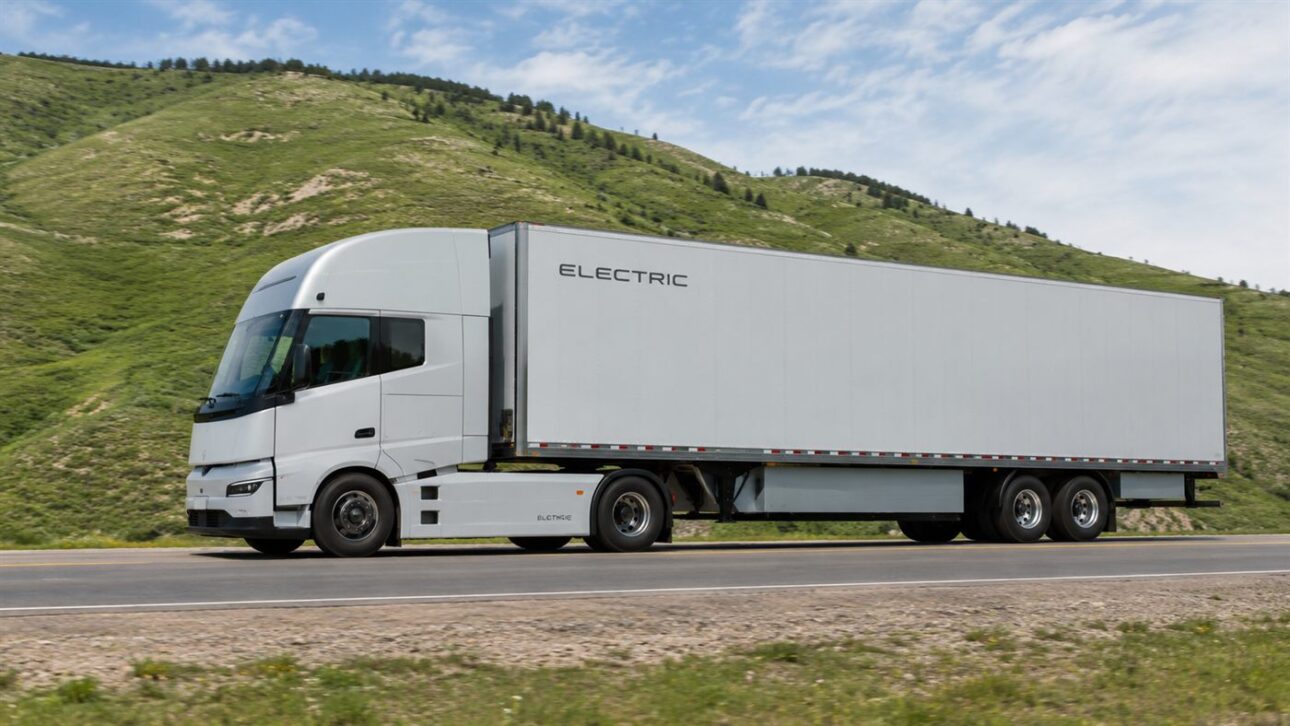
The symbol of the scandal is a video from 2020. According to Autopapo, the company released images of the Nikola One prototype as if it were a truck running on a road, but it was later discovered that the vehicle had merely been rolled down a hill, without even having an engine to move on its own.
The trick was simple and devastating. Filming the truck going down a slope created the illusion of a functional vehicle, when in fact there was no ready technology there. Pretending that a product works is the cardinal sin of any technology company, and it was this staging that began to unravel the entire fortune built on the promise.
Trevor Milton and the Fraud Accusation
The reckoning came first for the founder. According to Autopapo, Trevor Milton was indicted in 2021 for fraud, in a case where it became clear that he had lied about practically every aspect of the business to inflate the company’s value.
The company did not escape taking responsibility. According to Autopapo, Nikola itself admitted guilt in the case, a reputational blow from which the brand never truly recovered. When the face of the company is condemned for lying about the product, distrust taints everything that follows, and no new truck can erase that stain.
The Partners Who Jumped Ship
Without trust, partners began to abandon ship. According to Autopapo, General Motors, which had considered a partnership for an electric pickup with Nikola, withdrew from the project, removing a heavyweight endorsement that was worth gold at the start.
Another blow came from Europe. According to Autopapo, Iveco, which provided the base for the TRE model, ended the partnership in 2023 and kept the factory in Ulm, Germany, leaving the automaker even more isolated. When major partners leave the ship one after the other, it’s a sign that they have already seen the shipwreck before everyone else.
Recalls and the Dried-Up Cash
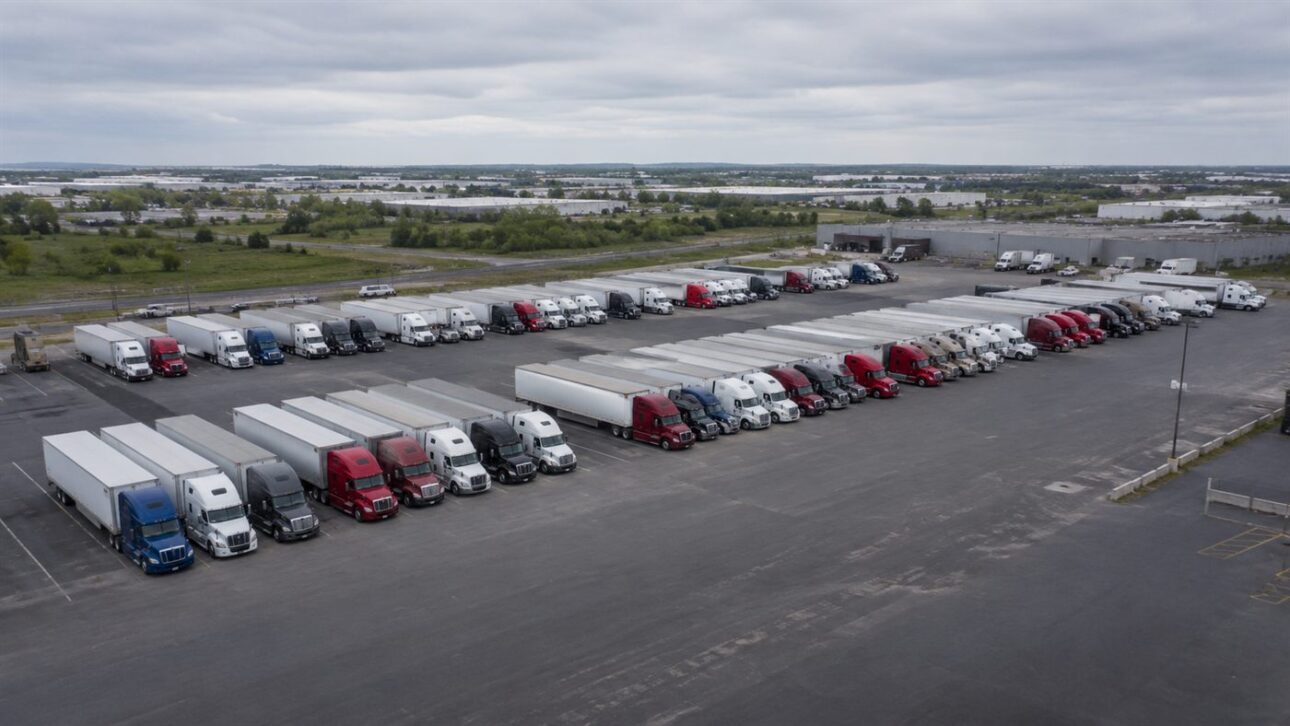
In the real world, problems were piling up. According to InfoMoney, in 2023 the company had to recall trucks after battery fires, an episode that further exposed the technical weaknesses behind the grandiose rhetoric.
And the money simply evaporated. According to InfoMoney, the company’s shares plummeted about 97% in twelve months, and the cash dwindled to around 47 million dollars, almost nothing for such a capital-intensive operation. A heavy technology company without cash is a clock ticking down to the final stop.
Nikola’s Bankruptcy Filing
The outcome came at the beginning of 2025. According to InfoMoney, on February 19, 2025, the company filed for Chapter 11 bankruptcy protection in a Delaware court, formalizing the collapse of one of the sector’s biggest promises.
The numbers from the filing show the size of the hole. According to InfoMoney, the company listed assets between 500 million and 1 billion dollars, but liabilities ranging from 1 billion to 10 billion dollars, an imbalance that sealed the fate of the business. Owing much more than you have is the rawest definition of a dream turned into debt.
Why Nikola Became a Symbol of Hype
The case goes beyond just one company. Nikola became the classic example of how the SPAC IPO trend, at its peak in 2020, flooded the market with companies valued in billions before they had a real product on the streets.
The lesson is harsh and useful. Investors learned that a promise is not a delivery, and that a well-produced video or an exciting speech does not replace a technology that truly works. The distance between the pitch and the factory is where many billion-dollar promises will die, and few illustrate this as well as this story.
What This Fall Represents
Nikola’s collapse is a warning about the dangers of confusing marketing with engineering. It shows that clean transportation is a real and valuable race, but shortcuts and exaggerations come at a very high price, both for investors and the credibility of the entire sector. For the consumer and the market, the lesson is to look with skepticism at promises that are too big, and to demand products on the road before believing in the next truck of the future.
And you, do you think hydrogen trucks still have a future despite this fiasco, or have diesel and electric already won this race? Share your thoughts in the comments.