






 Portuguese
  Spanish
 3 min of reading
  0 comments


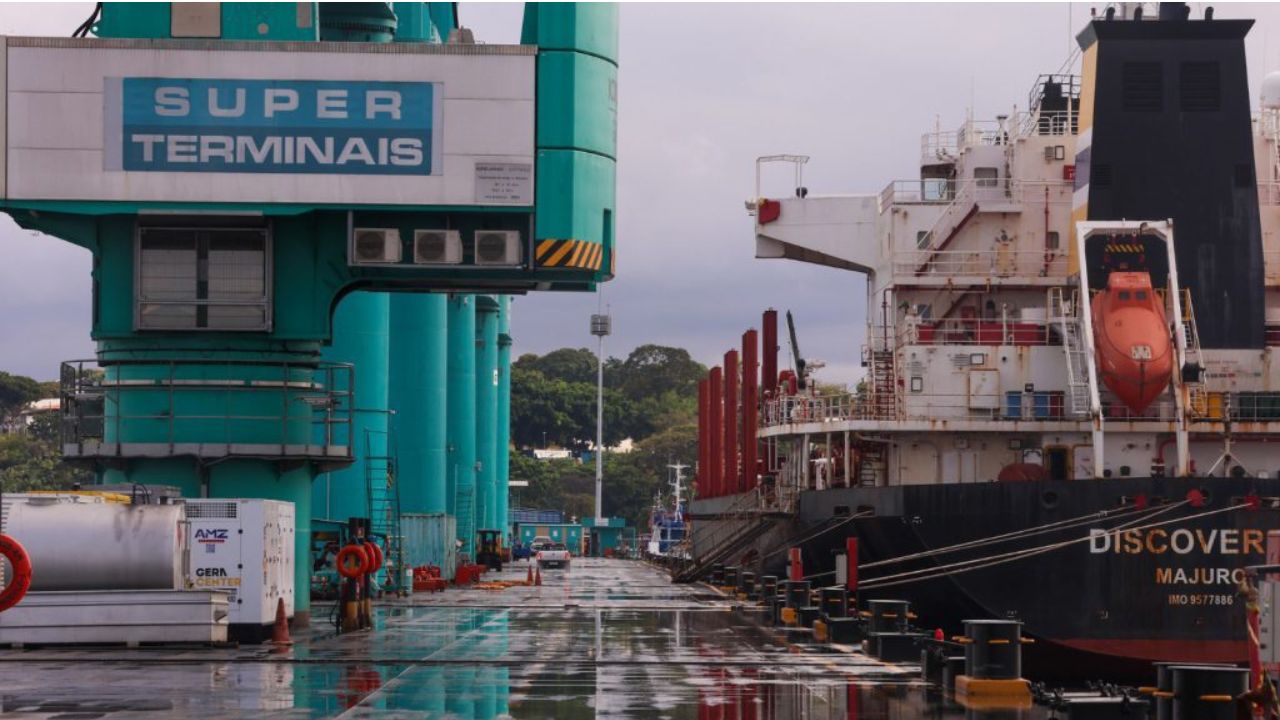
With Investment of R$ 30 Million, Amazonas Launches Project for Construction of Natural Gas Plant to Supply Port in Manaus with Clean Energy and Reduce Emissions.
The state of Amazonas launched, on Wednesday (2), the project for the construction of a natural gas plant exclusively for port operations in Manaus with the signing of the contract. The project, the result of a partnership between the state government and the company Super Terminals, promises to modernize regional logistics with a focus on clean and sustainable energy.
The plant will receive investments of R$ 30 million and will be the first of its kind in Northern Brazil, with delivery expected in 12 months.
The contract signing ceremony took place at the headquarters of Super Terminals in the southern zone of the capital, with the presence of Governor Wilson Lima (União Brasil). The goal is to replace the use of diesel with natural gas, reducing emissions and operational costs at the port.
-
Oil production grows in Rio, but reserve replacement raises a warning sign

-
Petrobras is expected to complete the drilling of the Morpho well in the Foz do Amazonas in August 2026, the first well in the Equatorial Margin, an oil frontier that the ANP estimates at more than 30 billion barrels and could redraw the map of Brazil.

-
Oil returns to the center of concerns with tension between the US and Iran

-
IEA reduces forecast for global oil demand in 2026 after impacts of the Middle East crisis



Plant Will Supply Electric Cranes with Natural Gas
The plant will provide electric power to fuel ten Konecranes at the port terminal. The first three pieces of equipment are expected to arrive in July 2026.
These cranes are the first electric models in the world and offer high energy efficiency and lower environmental impact.
The supply will be done through underground pipelines, eliminating the need for road transportation of fuel and contributing to the alleviation of urban traffic.
It is estimated that the new system will avoid the emission of about 17,000 tons of CO² per year, making port operations more sustainable.
Gas Pipeline and Infrastructure Strengthen Clean Energy Matrix
The project includes the construction of 3.5 kilometers of gas pipeline, with the capacity to supply up to 12,000 cubic meters of natural gas per day.
This infrastructure will allow for continuous supply to the new plant, reinforcing the goal of reducing environmental impacts and promoting energy security.
With this initiative, Amazonas seeks to establish itself as a reference in energy transition, aligning with global environmental guidelines.
The plant will be a key piece in this advancement, in addition to strengthening the region’s logistical infrastructure.
Government Invests in Natural Gas as Economic Matrix
The project is part of the Amazonas Government’s strategy to establish natural gas as part of the state’s economic matrix.
One of the main ventures is Complexo Azulão 950, located in Silves, which is receiving R$ 5.8 billion in investments from the company Eneva.
Three thermal power plants are being constructed there, with the capacity to supply 3.7 million residences.
During the peak of construction, the complex is expected to generate more than 5,000 jobs, with completion expected between the end of 2026 and the beginning of 2027.
Today, the state already has a network of 335 kilometers of gas pipelines, serving more than 25,000 consumers in seven municipalities.
In the industrial sector, natural gas stands out for being more economical and cleaner. Compared to diesel, it can generate savings of up to 47%, and when compared to LPG (cooking gas), the reduction reaches 54%. This makes the matrix a strategic alternative for industries seeking efficiency and environmental commitment.
Furthermore, the expansion of natural gas infrastructure boosts regional development and strengthens energy security, an essential factor for attracting new investments to the state.






Be the first to react!