Portuguese
  Spanish


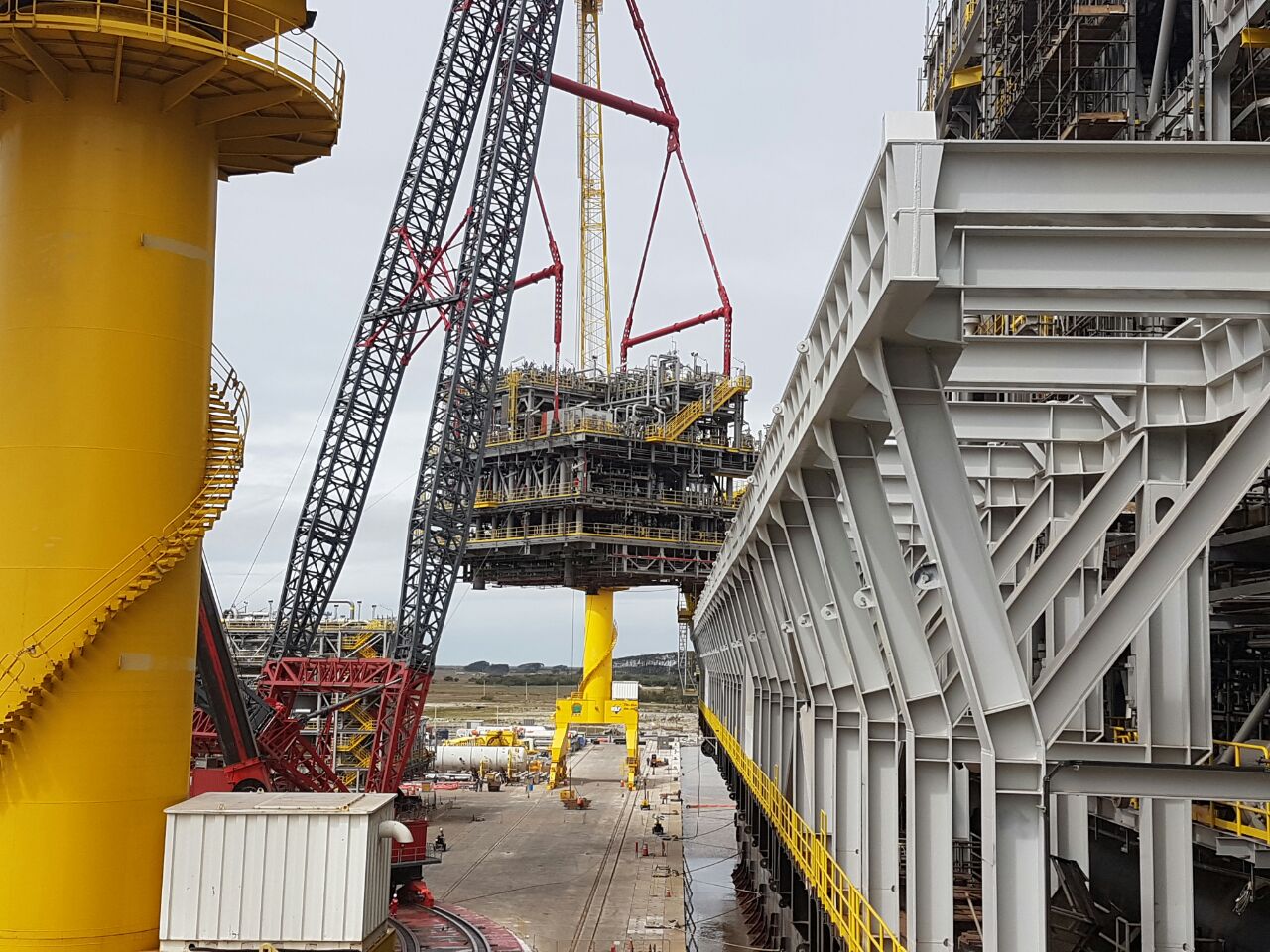

Petrobras Is A Leader In FPSO Operations Worldwide And Is The Company That Will Install The Largest Number Of Platforms Of This Type In The Next Five Years; Units Will Be Installed In The Pre-Salt And Post-Salt
Petrobras reported in a material fact to the market that the recent oil discoveries in the pre-salt, in the Alto de Cabo Frio Central and Aram areas, open up a horizon of new exploratory opportunities for Brazil. The discoveries are the result of the intensification of the Brazilian oil company’s exploratory efforts, which has planned to invest US$ 5.5 billion in this segment over the next five years. The statement was made by Petrobras’ Executive Director of Strategy, Eduardo Bordieri, who presented the panel “Petrobras Perspectives On O&G Double Resilience” during the Annual Breakfast Offshore of the Brazil-Texas Chamber of Commerce (Bratecc) on 5/4, an event parallel to the Offshore Technology Conference (OTC) in Houston (USA).
Of the total investments planned by Petrobras’ Strategic Plan in new exploratory frontiers, the Southeast Basins (including pre-salt prospects) will receive 58% of the funds; the Equatorial Margin, 38%, and other areas, 2%. “All Investments By Petrobras Aim For Double Resilience: both economic (considering financially viable projects with Brent prices at US$ 35 in the long term) and environmental (low carbon emission projects),” summarized Bordieri.
Brazilian State-Owned Company Has Already Put Into Operation A Total Of 32 FPSOs – A Record In The Oil Industry
Petrobras will put 15 floating production storage and offloading (FPSO) vessels into production over the next five years. Of this total, ten will be installed in the pre-salt and five in the post-salt. According to Bordieri, the company has already put a total of 32 FPSOs into operation throughout its most recent history, a record in the oil industry. “Today, Petrobras is a leader in FPSO operations worldwide and is the company that will install the largest number of platforms of this type in the next five years, creating value for our stakeholders,” said Bordieri.
-
With a record production of nearly 3 million barrels per day, Petrobras resumes importing diesel in July, highlighting the bottleneck in Brazilian refining.

-
Qantas and Airbus Invest in Company Aiming to Convert Unsorted Household Trash into Jet Fuel

-
Brazil’s ANP Opens 86 New Oil Blocks in the Equatorial Margin, Expanding the Amazon River Mouth Frontier

-
OPEC+ Boosts Oil Supply by 188,000 Barrels per Day in July 2026, Leading to Price Drop from $112 to $89 per Barrel in Under Two Months



Another highlight of the lecture was the significant reduction in the time to drill wells in the pre-salt while maintaining operational safety. Between 2018 and 2021, the company reduced this period from 100 days to less than 70 days, on average. Petrobras’ projection is to intensify these efforts and achieve, by 2024, a 14% reduction in this timeframe – with the contribution of its drilling and completion efficiency program, as well as the use of new well configuration models, which are faster and optimized.
“Every reduction in well construction time means preserving operational safety, reducing costs while creating value. For perspective, well activities account for about 30% of investments in the Exploration and Production area. Therefore, we aim for the best results in this activity while preserving safety and optimizing well configuration as quickly and efficiently as possible, always according to the best safety practices in the industry,” he concludes.