Portuguese
  Spanish


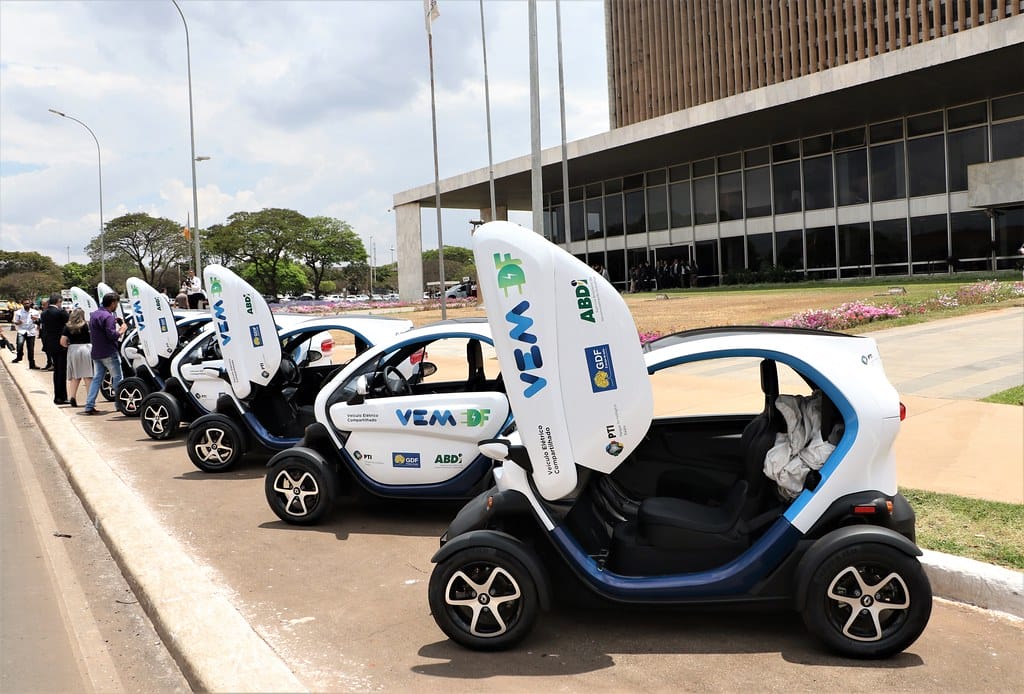

The president of the Brazilian Electric Vehicles Association (ABVE), Ricardo Bastos, considers the recent documents signed by the Government and announced at the end of the year to be significant; according to him, they will boost electromobility and achieve economic decarbonization targets. Bastos highlights the importance of these measures to attract investments in the automotive industry and promote decarbonization, ending 2023 with promising outlooks.
The first of these documents is Provisional Measure 1205, which establishes the Mover: Green Mobility and Innovation Program, succeeding Route 2030. Another is a Bill proposing a program for accelerated depreciation in the country’s industry to encourage the renewal of technologies.
Mover: Innovation and Sustainability in Electromobility
The Mover is not limited to being a simple update of Route 2030; it is a large set of measures to accelerate decarbonization in the transportation and logistics sector, including all types of vehicles. The MP establishes the Green IPI and offers substantial tax incentives for sustainable automobiles, forecasting an amount of R$ 3.5 billion in 2024, increasing to R$ 19 billion by 2028.
-
1983 Chevrolet Runs Over 100,000 km Without Gasoline, Powered by Wood Chips, Reaches 125 km/h in Airport Test

-
Workshop Converts Giant Tractor Tire Tricycle into a Three-Wheel Drive Hybrid with 36,000-Watt Electric Motor Capable of Climbing Hills

-
Chery Offers Lifetime Battery Warranty and Car Replacement for Major Failures Under New Chinese Regulations
-
Sales of Brazil’s Cheapest Electric Car Halted Before First Deliveries: E-Motors Suspends Emova Easy Due to Import Tax Increase and Rising Freight Costs




The “bonus and malus” system will consider requirements such as source of energy, energy consumption, engine power, and recyclability. Additionally, it introduces a carbon emissions measurement model that encompasses all phases of fuel production in vehicles.
Incentive for Investment and Technological Renewal
The Bill that establishes “accelerated depreciation” aims to grant differentiated quotas for machinery, equipment, etc., encouraging economic sectors to invest in technological renewal. The Vice President of the Republic, Geraldo Alckmin, emphasizes that the Mover Program indeed follows the guidelines of commitment to sustainable development, while the Accelerated Depreciation Bill supports the country’s “neo-industrialization” goal, which should effectively promote various investments in more productive and efficient machinery.