Portuguese
  Spanish


Learn Which Rules Are Being Regulated! With The Popularity Of Electric Cars, Rules Must Be Made. Safety Is The Main Factor.
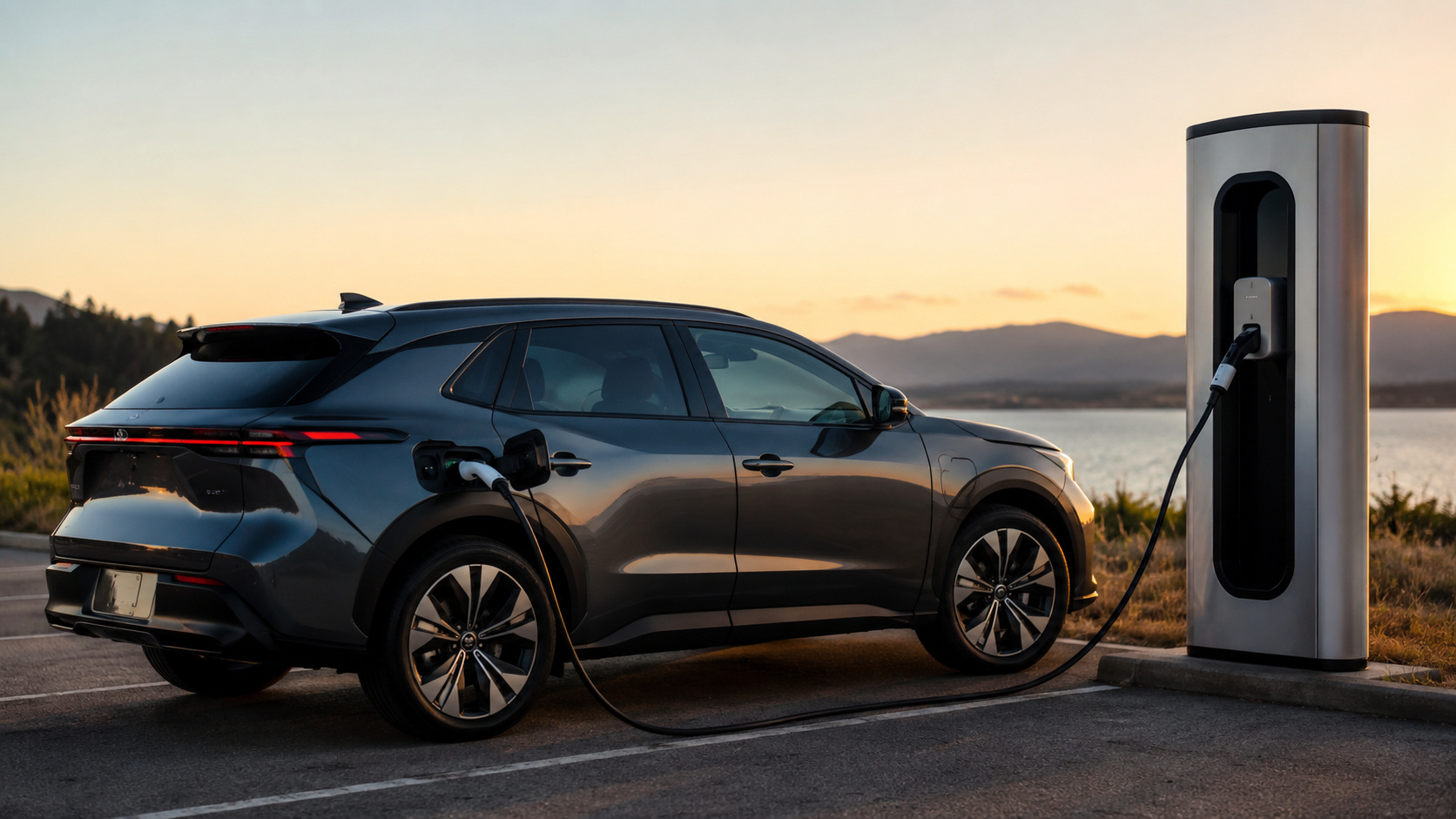
With the growing popularity of electric cars and the increasing demand for refueling infrastructure, a new and important measure is on the way to ensure safety in condominiums and commercial buildings.
Soon, charging in buildings will have specific fire department rules aimed at regulating the installation and use of charging stations in São Paulo.
This regulation for the installation of electric vehicle charging stations is a crucial step to adapt urban buildings to the new reality of mobility and to protect residents and users.
-
Unprecedented achievement in India: a colossal 650-ton, nearly 3,000 hp excavator is transformed into 100% electric, marking a new phase in heavy mining.

-
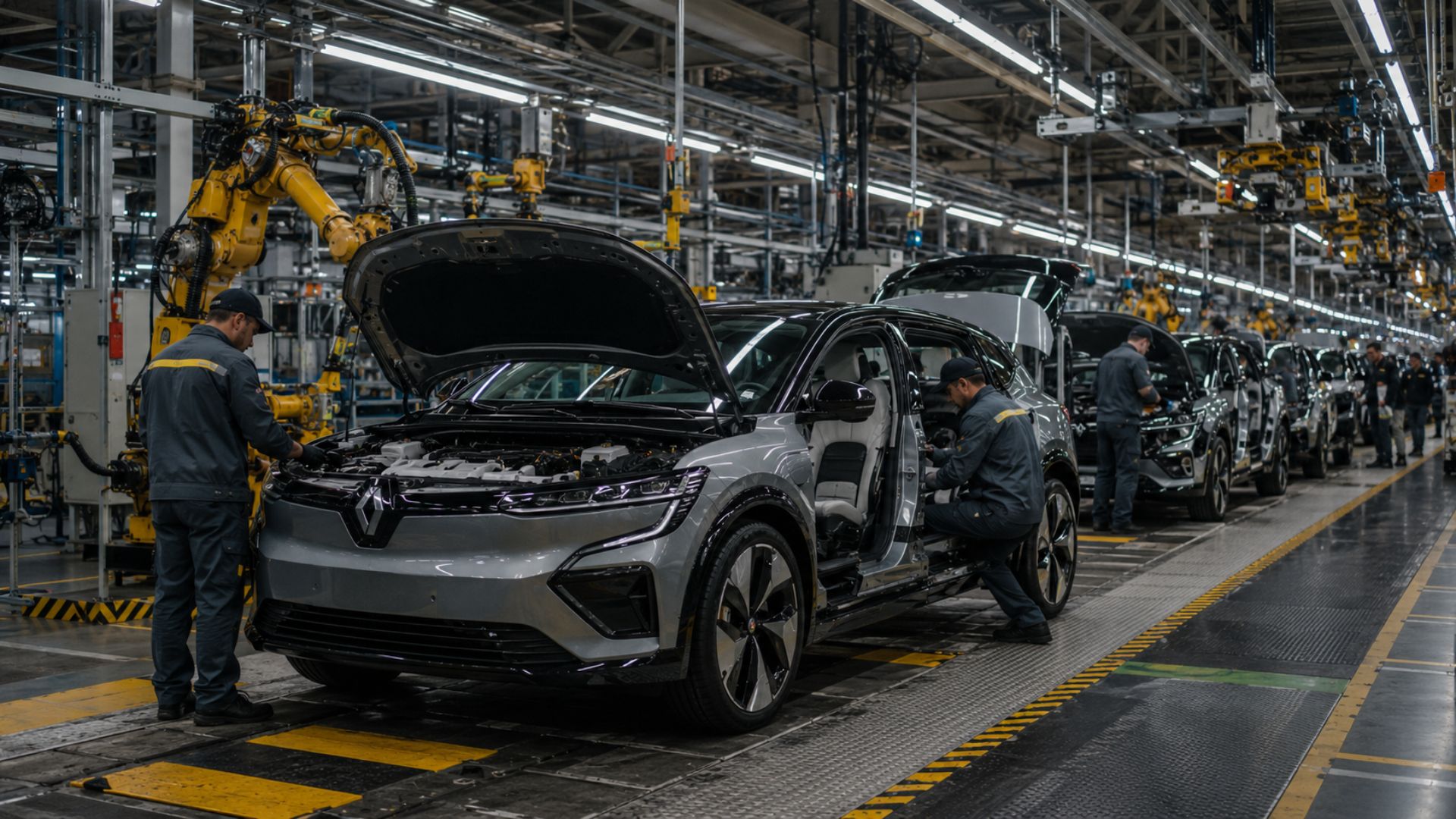
Frightened by the speed of Chinese manufacturers, Renault decided to mimic the pace, made the new electric Twingo in just 21 months, wants to repeat the feat with 36 models by 2030, and along the way, will cut up to 2,400 engineering positions.

-
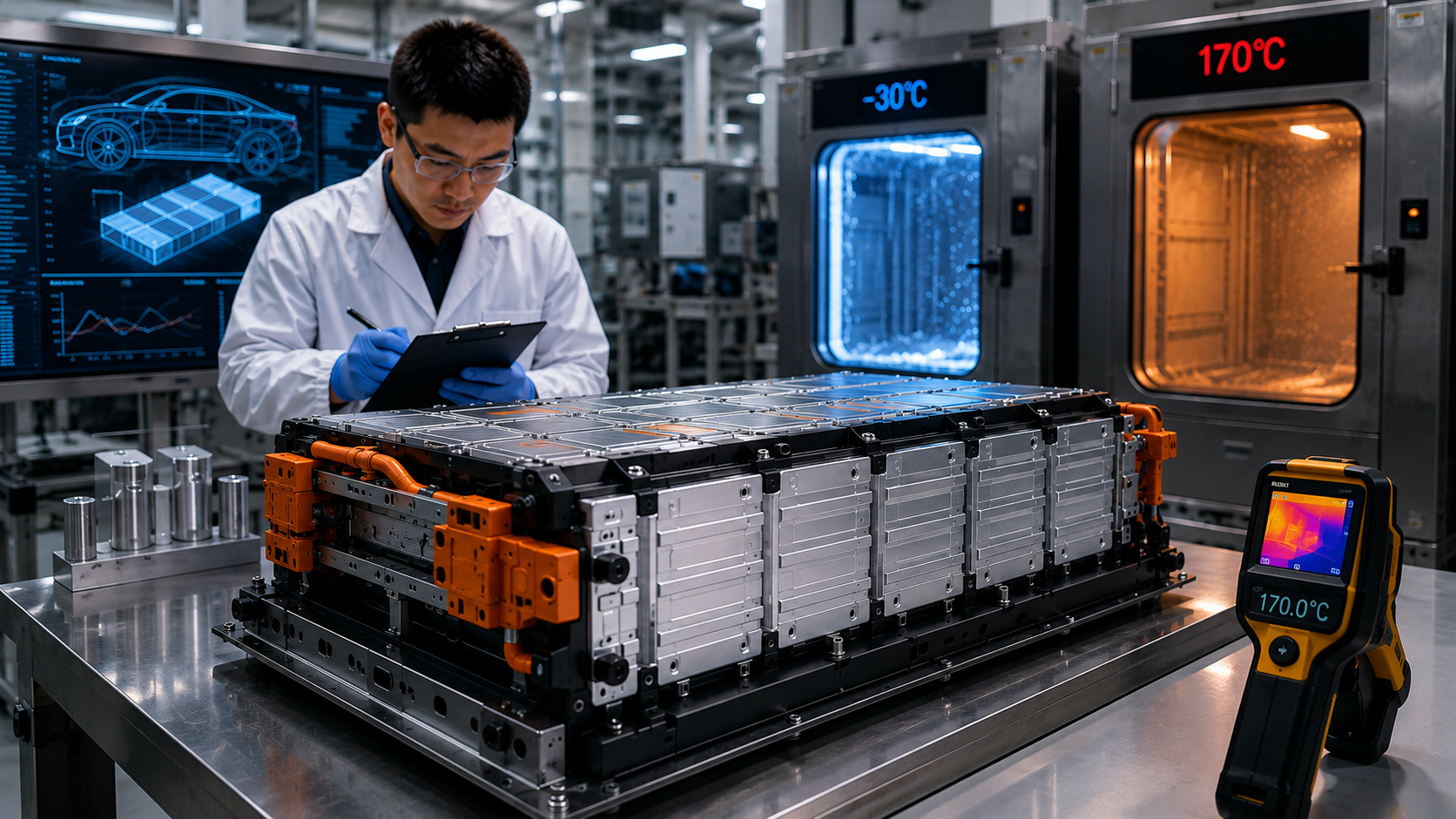
Chinese battery from Dongfeng promises to exceed 1,000 km without relying on liquid electrolyte, and the detail behind the technology could change the electric car competition.

-
The end of the automotive combustion era has already begun, but many in Brazil have not yet realized the magnitude of the shift towards Chinese electric cars.

What Changes With The Regulation For The Installation Of Electric Vehicle Charging Stations?
The expansion of electric cars is an irreversible global trend, and with it arise practical and safety challenges, especially in shared environments like buildings.
The need for a regulation to standardize the installation of electric vehicle charging stations is urgent, as the electrical infrastructure of many buildings was not designed to support the demand and potential risks associated with charging in buildings.
Currently, the installation of charging points in garages and parking lots of condominiums can raise doubts and concerns, such as electrical overload, fire risk, and the adequacy of existing installations.
The new legislation being developed by the São Paulo Fire Department aims to fill this gap by providing clear guidelines and technical requirements to ensure that charging in buildings is performed safely and efficiently.
This regulation will address aspects such as:
- Electrical Network Capacity: Assessment and, if necessary, adaptation of the building’s electrical infrastructure to support the additional load of the chargers.
- Security Systems: Requirement for specific circuit breakers, surge protection devices, and appropriate grounding systems for the charging stations.
- Ventilation: Ensuring adequate ventilation in charging areas to dissipate heat and gases, if any.
- Fire Prevention and Management: Requirements for the installation of specific extinguishers (for lithium batteries, for example), smoke detectors, and sprinkler systems near charging points.
- Signage and Access: Clear marking of charging areas and access control for authorized users.
Why Will Charging In Buildings Have Fire Department Rules? Safety First
Concern for safety is the main driving force behind the fact that charging in buildings will have fire department rules.
Although electric cars are inherently safe, the charging process, especially in locations with high concentrations of vehicles and people, requires extra precautions. Lithium-ion batteries, for example, despite being stable, can pose risks in case of failure or overheating, causing difficult-to-control fires.
The Fire Department, as the highest authority in fire prevention and management, takes the lead in creating this regulation for the installation of electric vehicle charging stations.
The goal is to standardize procedures, minimizing risks and ensuring that the infrastructure for electric cars is implemented with the highest level of safety. This will bring more peace of mind to building managers, residents, and companies wishing to offer this convenience.
The initiative in São Paulo may serve as a model for other Brazilian states, creating a national safety standard for charging in buildings. It is a fundamental step for the transition to electric mobility to occur in an orderly and responsible manner, without compromising public safety.
The Impact On Electric Car Owners And Condominiums
For electric car owners and condominiums, this regulation will bring more clarity and legal security.
Charging in buildings will have fire department rules that standardize installations, making life easier for everyone. Condominiums that already have or plan to install charging stations will need to comply with the new guidelines, which may involve technical inspections and, in some cases, structural and electrical adaptations.
Although there may be an initial investment for adaptation, the long-term benefit is undeniable: a safer environment, increased property value, and the convenience of being able to charge the electric car at the place of residence or work, with the assurance that all precautions have been taken.
The regulation for the installation of electric vehicle charging stations in São Paulo is a necessary milestone for the advancement of green mobility in Brazil.