






 Portuguese
  Spanish
  3 min of reading
  0 comments


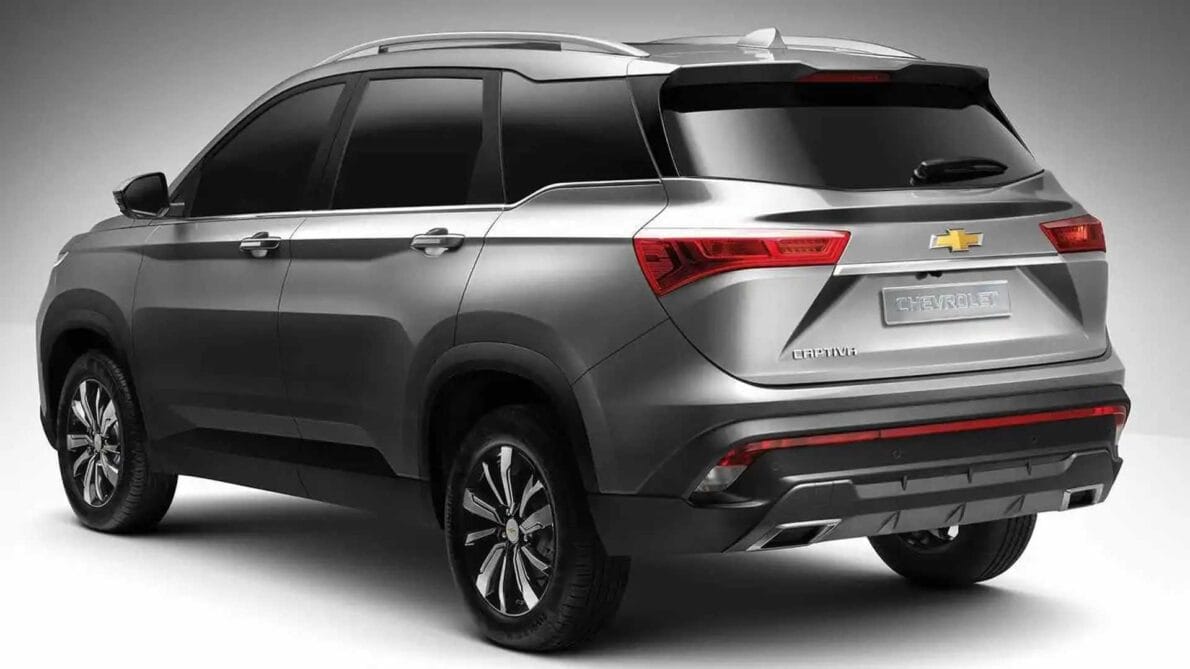
Chevrolet Confirms Launch of Captiva EV in Brazil with Design Based on Chinese Electric SUV Starlight S
Chevrolet is preparing to launch a new electric SUV in the Brazilian market in 2025: the Captiva EV, which will be a rebranded version of the Chinese Wuling Starlight S. The strategy, previously used with the Spark EUV, follows the brand’s line of bringing more affordable Chinese electric cars to South America through its partnership with Wuling.
Images of the new model are already circulating on the internet after the vehicle was spotted at a Colombian port. Without disguises, the Captiva EV displays the Chevrolet emblem on the front and the name “Captiva” emblazoned on the rear, indicating that the traditional name will be reused to name the Chinese SUV. The version shown even carried the name “Premier,” repeating the nomenclature of already known versions from the brand’s portfolio in Brazil.
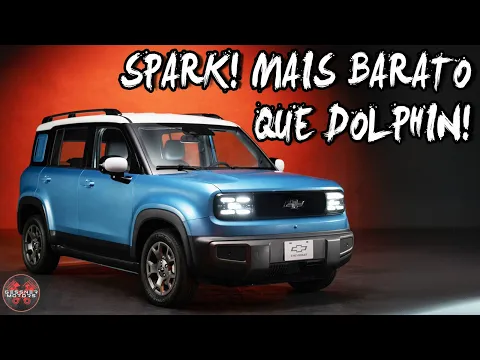

Design and Structure of Captiva EV Are Maintained Same as the Starlight S Model, Focusing on Brand Identity
Although adopting the Chevrolet brand and name in the Latin American market, the Captiva EV maintains the design and original size of the Starlight S, one of Wuling’s new electric SUVs. The model has already been spotted testing in Brazil with the phrase “Soon your life will be more electric” stickered on the side, confirming its imminent arrival.
-
Two new 300cc models from QJ Motor are expected to arrive in Brazil as SBM to target the CB 300F and shake up the low-displacement market, with more power and liquid cooling than Honda.

-
Camaro may reappear in 2027, but not as you remember: Chevrolet prepares the return of the icon with four doors, manual transmission, and an extreme performance version to face the new era of sports cars.

-
Is the BYD Song Pro worth it? The Anderson Sincero channel says it doesn’t exceed R$ 140,000, and the price dropped by R$ 47,000, reinforcing the depreciation of the plug-in hybrid in the Fipe table.
-
Caoa Changan CS75 arrives for R$ 199,990 with 4.77 m in length, a trunk of up to 1,620 liters, 8-speed Aisin transmission, 180 hp, 37.2 inches in screens, and Zero Gravity seat with massage.


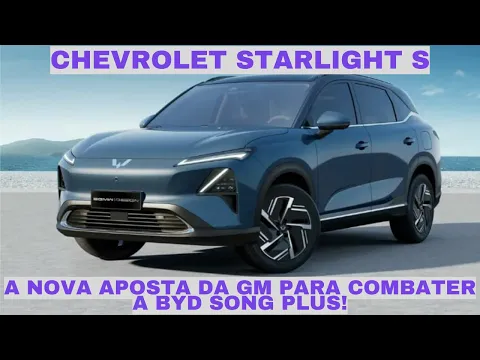
Externally, the only changes are the logos and commercial names. The entire visual structure — headlights, taillights, body lines, wheels, and trim — follows the pattern of the Starlight S. This choice indicates a clear strategy of the automaker: to keep costs low and accelerate the entry of Chinese electric cars into Brazil with the support of a global brand identity like Chevrolet.
Electric SUV Captiva Will Have a Range of Up to 510 km in the Chinese Cycle and Should Cost Up to R$ 400 Thousand in Brazil
The new Captiva EV will be equipped with an electric motor of 204 horsepower, powered by a 60 kWh LFP (lithium iron phosphate) battery. According to Chinese tests, the model can achieve up to 510 km of range, although in the Brazilian Vehicle Labeling Program (PBEV), this number is expected to drop to approximately 300 km.
With a length of 4.74 meters, the electric Captiva will be positioned between the combustion engine Equinox (4.66 m) and the Equinox EV (4.84 m), reinforcing its intermediate role in the brand’s utility line. The estimated price for Brazil is expected to range between R$ 300 thousand and R$ 400 thousand, making it more accessible than the Equinox EV, currently sold for R$ 440,190.
Chevrolet Also Plans to Launch a Hybrid Version of Starlight S to Compete with BYD and GWM Rivals
In addition to the 100% electric version, Chevrolet is also studying bringing a plug-in hybrid variant of the Starlight S to Brazil, aiming to compete directly with models such as the BYD Song Plus and the GWM Haval H6, which lead the hybrid segment in the country.
In this configuration, the SUV combines a 1.5 naturally aspirated combustion engine with 106 hp and an electric motor with 204 hp, allowing electric range between 60 km and 130 km, depending on the battery capacity — which can be either 9.5 kWh or 20.5 kWh. The brand’s goal is to offer an alternative for electrified mobility for those seeking extended range without sacrificing the convenience of conventional refueling.
Chevrolet’s Strategy of Rebranding Chinese Electric Cars Aims to Democratize Access to Electrified Models
The reuse of already known names, such as Captiva and Spark, is part of Chevrolet’s strategy to facilitate the acceptance of Chinese electric cars in Brazil. The use of familiar nomenclature may bring consumers closer to these new vehicles, even if they are technically novel models from Asia.
The Spark EUV, for example, is based on the Baojun Yep Plus, but maintains the visual DNA and mechanical characteristics of the original Chinese car. Now, with the Captiva EV, the automaker reinforces this tactic, betting on a market that has become increasingly receptive to electric SUVs — especially with rising fuel prices and increasing incentives for clean mobility.


-

1 person reacted to this.