Portuguese
  Spanish


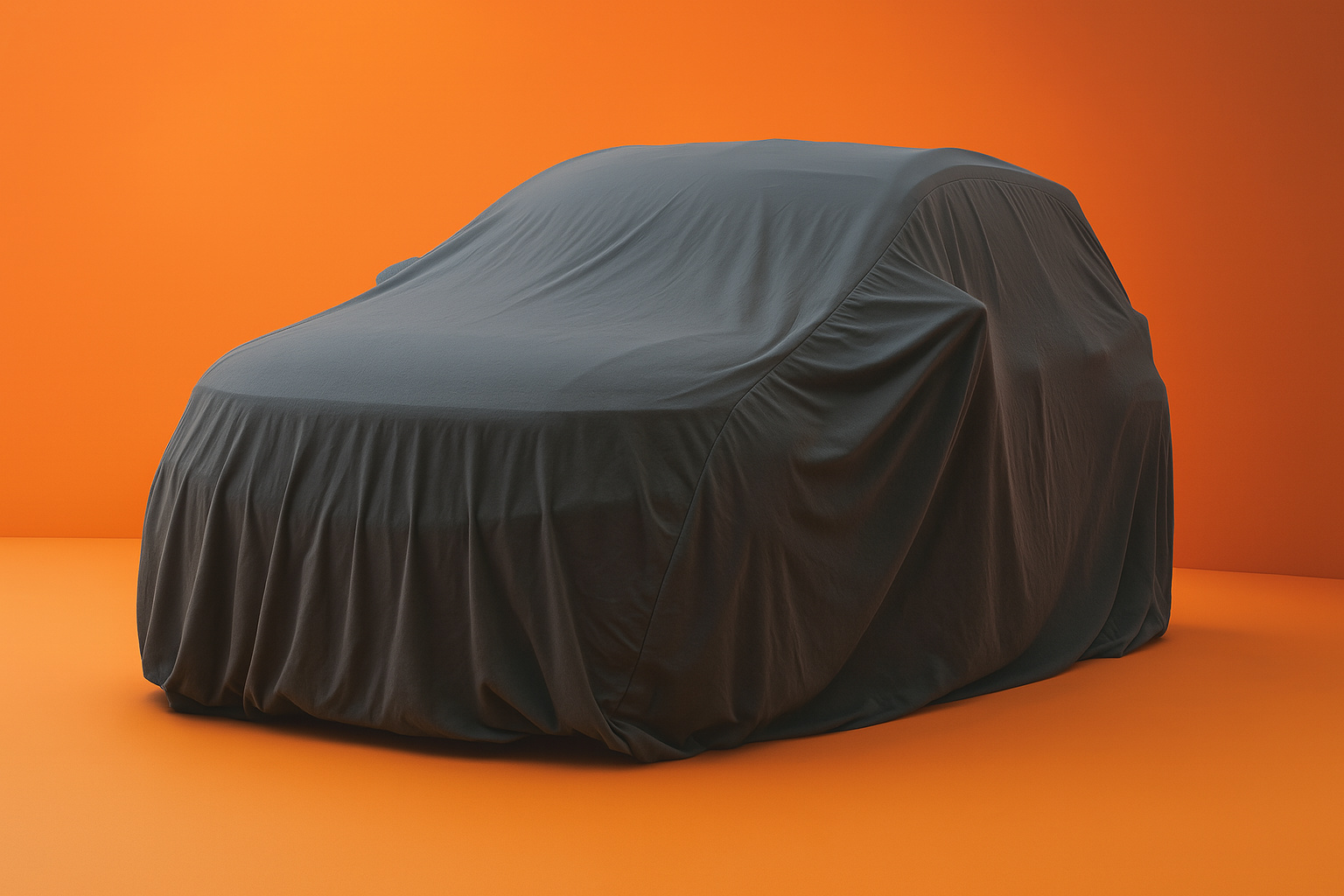


Fiat Prepares New Compact to Fill the Gap Left by the Uno. The Model Should Use a 1.0 Turbo Engine with 130 hp, CVT Transmission, and Consumption of Up to 16.5 km/l.
Fiat is preparing a strategic move to strengthen its compact lineup in Brazil: a new hatch to replace the Uno, discontinued in 2021. The model under consideration — which could arrive in the country as early as 2025 — is expected to use the new generation of the Fiat Panda, currently under development in Europe, as a base. With a 1.0 turbo flex engine of up to 130 hp, CVT transmission, and projected consumption of 16.5 km/l, the future hatch promises to combine modernity, efficiency, and competitive pricing, targeting rivals such as Hyundai HB20, Chevrolet Onix, and even the Fiat Argo.
Why Does Fiat Need a “New Uno”?
The Fiat Uno was, for decades, one of the best-selling cars in Brazil. But it was discontinued in 2021, leaving a gap in the brand’s lineup. The Fiat Mobi became the cheapest car option, but it is smaller and more limited, while the Argo has solidified its position as the main hatch, but at a higher price range.
This gap has opened up space for a new project: a compact urban car, but more modern than the Uno, with up-to-date technology and more efficient engine options.
-
End of an era in Brazil: beloved sedan by Brazilians is discontinued despite having a 2.0 engine with 151 hp, CVT transmission, 466-liter trunk, and up to 650 km of range.

-
New Law Proposal in Brazil Could Heavily Penalize Drivers: Dangerous Overtaking May Become a Serious Offense with Fines Increased Tenfold and a 12-Month License Suspension; Update on 2026 Progress

-
Electric Revolution: Watts W125 Motorcycle Offers 160 km Range, 90 km/h Speed, and Affordable Price Starting at $3,000
-
General Motors Replaces Over a Thousand Workers with 50 Cobots at Electric Vehicle Plant, UAW Union Criticizes Move Amid Industry’s Automation Push




Fiat Panda: The Basis of the New Compact
In Europe, Fiat is working on the new generation of the Panda, expected for 2025. The model will be built on the CMP platform, the same one used by the Peugeot 208, Citroën C3, and Opel Corsa — all from the Stellantis group.
This architecture is flexible and allows for not just internal combustion engines but also hybrid and electric versions in the future. In Brazil, the initial strategy should prioritize the 1.0 turbo flex T200 engine, the same used in the Fiat Pulse and Fastback, with CVT automatic transmission.
Engine and Performance: 1.0 Turbo Flex with Up to 130 hp
If it follows the Pulse’s standard, the T200 1.0 turbo flex engine will deliver around 125 hp with gasoline and 130 hp with ethanol, along with 20.4 kgfm of torque.


This setup is one of the most efficient in the segment, combining good urban performance with sufficient power for trips, all while maintaining low fuel consumption — estimated at around 16.5 km/l in the mixed cycle with gasoline.
The CVT simulates seven virtual gears, offering smooth shifts and less wear in daily use, which is appealing to those seeking comfort.
Design: Modern and Global Hatch
Although Fiat has yet to reveal the final look, the new European Panda — which will serve as the base — already gives hints of what the “new Brazilian Uno” will look like.
The style is expected to follow the brand’s current design language, with:
Straighter and more robust lines, enhancing urban appeal
LED headlights and a smaller grille, already considering future electrification
Simple yet functional interior, with a digital dashboard and central multimedia system
In Brazil, the model may undergo finish adjustments for the local market, such as more reinforced seats, adapted suspension, and even adventurous versions with plastic cladding.
Target Audience and Positioning
The new Fiat car will arrive to fill the gap between the Mobi (entry hatch, now starting from R$ 72 thousand) and the Argo (starting from R$ 84 thousand).
Who Is It For?
- Those who need more space than the Mobi but don’t want to spend as much as on an Argo
- Families looking for a modern and economical urban hatch
- App drivers who want good fuel efficiency and comfort
Direct Competitors:
- Hyundai HB20
- Chevrolet Onix
- Renault Stepway/Clio (depending on positioning)
- The own Fiat Argo, which may have version adjustments to avoid price conflicts
Equipment and Technology: What to Expect

As it is a global project, the new hatch is expected to bring an updated technology package, especially in the higher-end versions. The car is expected to offer:
- Digital or semi-digital dashboard
- Floating multimedia center with wireless Android Auto and Apple CarPlay
- Electronic parking brake (in top versions)
- Progressive electric steering
- Active safety features such as collision warning, autonomous braking, and lane assist (at least in top versions)
The entry-level versions should focus on price, but are unlikely to skimp on air conditioning, electric steering, windows, and locks.
And What About Fuel Consumption?
The promise is that the Fiat 1.0 turbo engine will maintain the efficiency demonstrated in the Pulse, achieving 16.5 km/l in a mixed cycle with gasoline.
This would place it among the most economical 1.0 turbo cars in Brazil, competing directly with the Onix 1.0 turbo and HB20 1.0 TGDI, in addition to ensuring a low cost per kilometer for app drivers and families.
Price and Market Arrival
Still without a defined name, the “new Uno” or “Brazilian Fiat Panda” is expected to launch between late 2025 and 2026, with prices starting from R$ 85 thousand for the entry-level version, according to industry projections.
The more equipped versions, with a full technology package, should approach R$ 100 thousand, still remaining below the Fiat Argo and well below SUVs like the Pulse.
Is There a Chance of a Hybrid Version?
Yes. Since the CMP platform is multi-energy, there is room for Fiat to adopt a mild hybrid in the future, using a small electric motor for acceleration support and reduced consumption.
However, for the debut in Brazil, the bet is on the 1.0 turbo flex CVT, already known and easily adaptable to our reality.
The new Fiat car promises to be one of the most important launches in the coming years in the Brazilian market. With a 1.0 turbo engine of up to 130 hp, CVT transmission, and consumption around 16.5 km/l, it should fill the gap left by the Uno, offering more space, technology, and efficiency to compete with HB20, Onix, and Argo.
If the new Fiat Panda arrives in Brazil as confirmed, the brand will once again have a significant urban hatch, combining the tradition of models like the Uno with the modernity of a global platform — and could, once again, change the game in the compact segment.