






 Portuguese
  Spanish
  3 min of reading
  0 comments


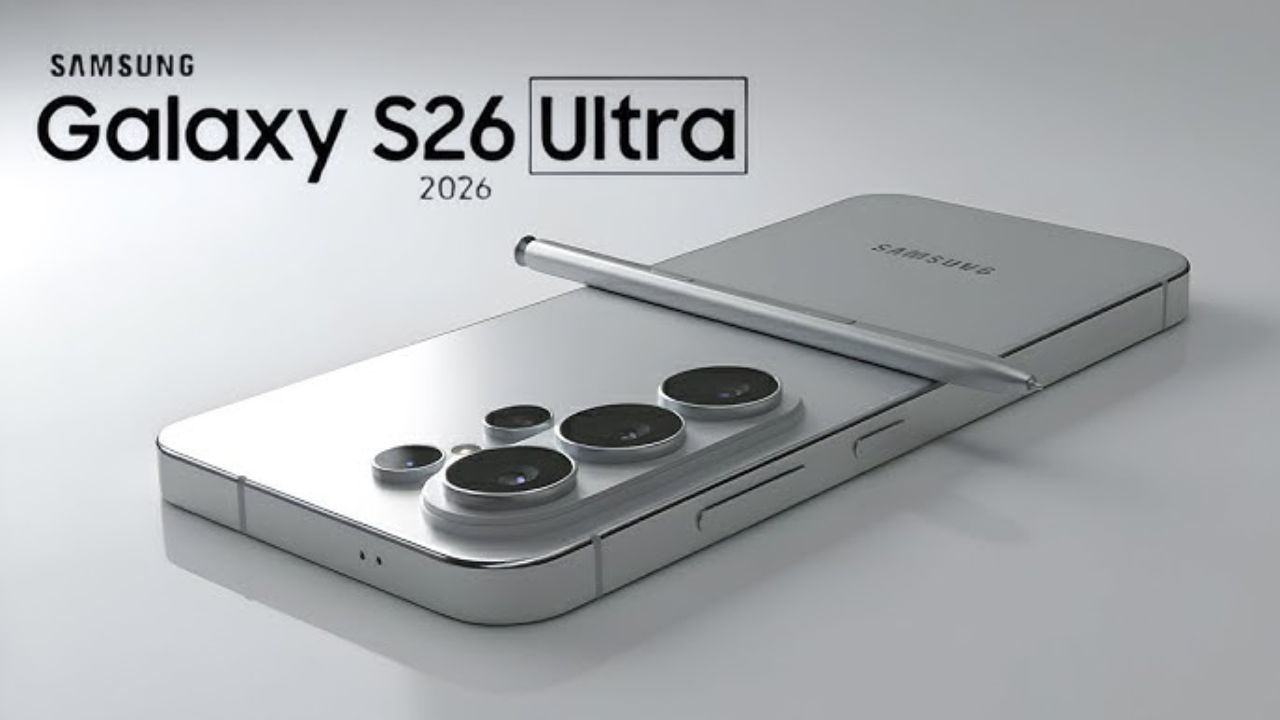
Leaks Indicate That Samsung’s New Phone, the Galaxy S26 Ultra, Will Have a Lens with an Aperture of f/1.4 to Improve Photos in Low Light Conditions — Understand.
Samsung is preparing for a significant leap in night photography with its upcoming flagship: the new Samsung phone, named Galaxy S26 Ultra.
According to informant Ice Universe, leaks reveal that it will have a main lens with an aperture of f/1.4, wider than the one used in the previous model.
This means more light will enter the sensor, which tends to reduce noise and significantly improve the capture of dark scenes.
-
Helicopter Drops 180 Tons of Sand and Gravel on Swedish River to Revive Ecosystem Damaged by Decades of Exploitation

-
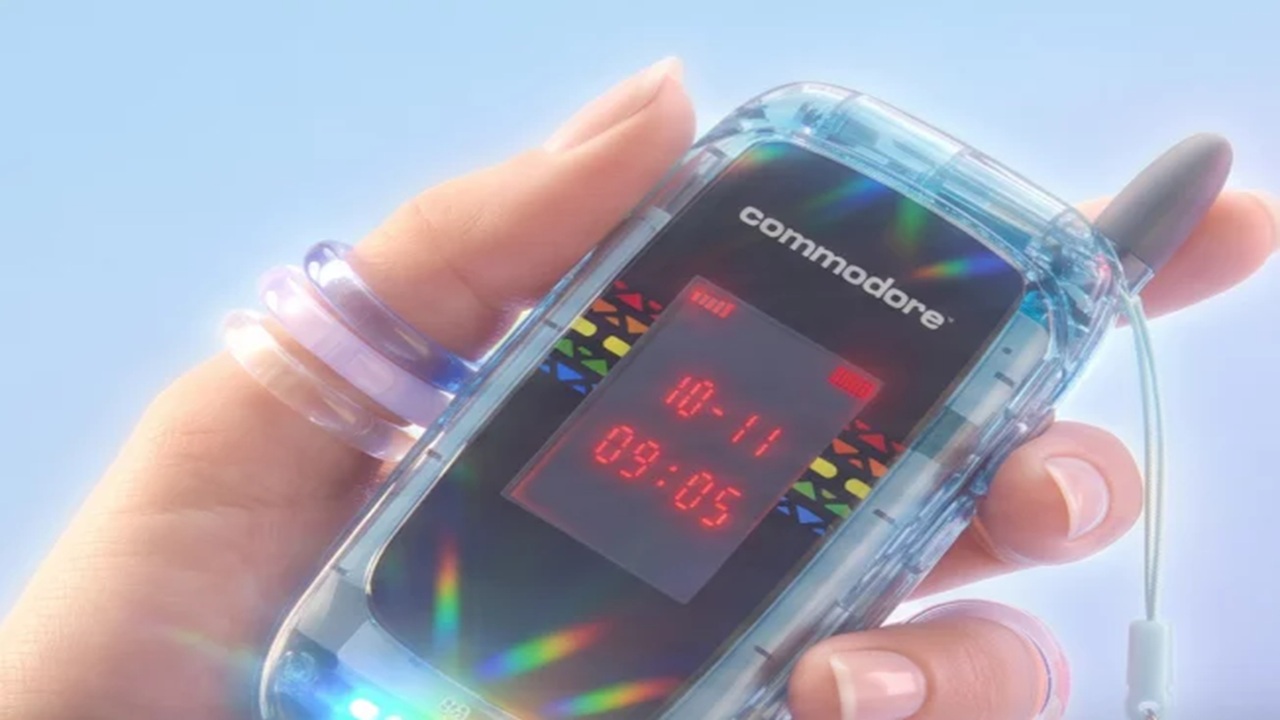
Brazilian Company Launches Retro Smartphone with 48 MP Camera, T9 Keyboard, and Privacy Features for Social Media-Free Use

-
Self-Taught Chinese Farmer Builds 5-Ton Submarine from Scrap, Launches It in Anhui River
-
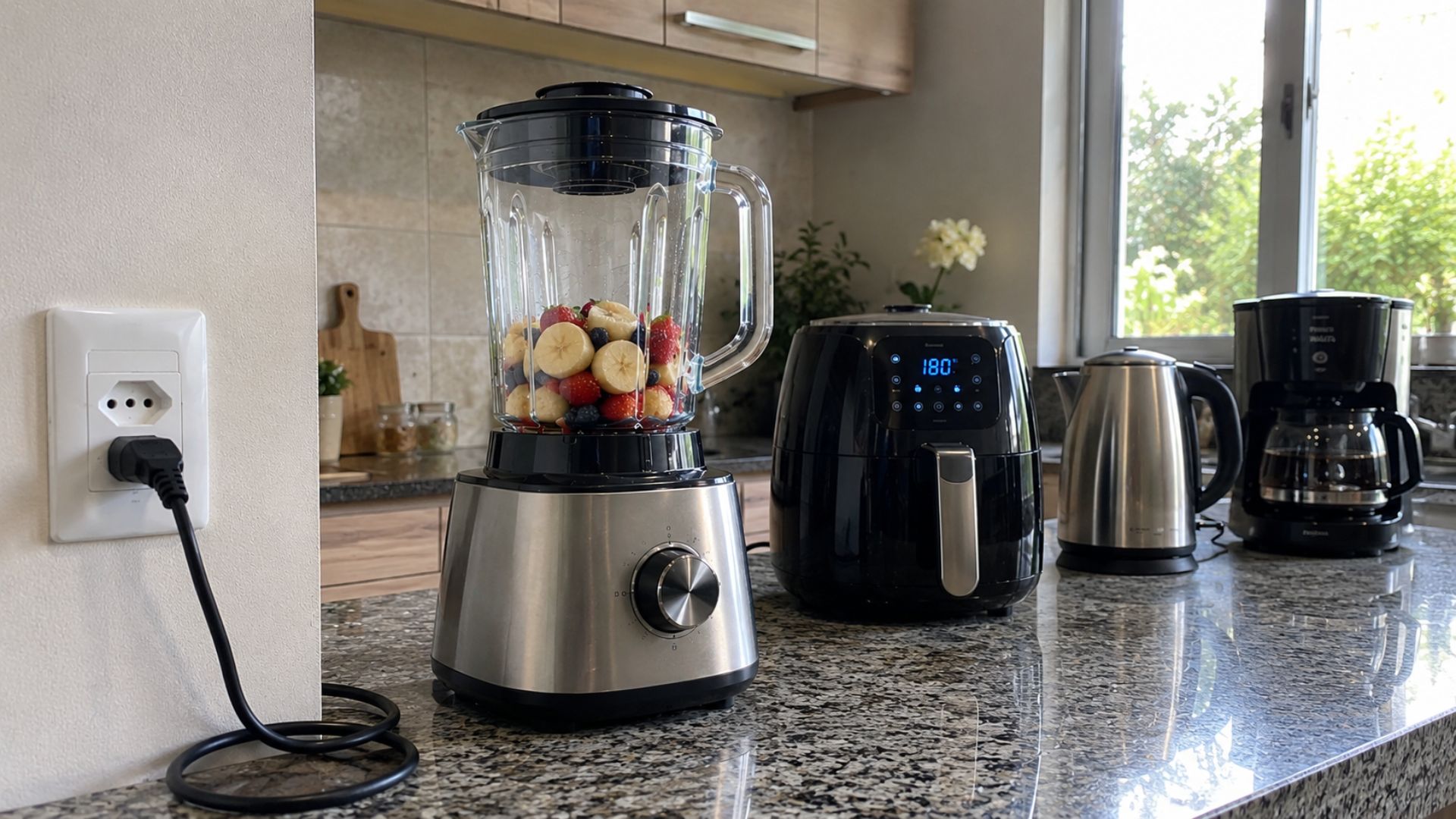
Invisible Induction Technology Enables Wireless Power for Blenders, Coffee Makers, and Air Fryers, Reducing Countertop Cables



According to rumors, the rest of the optical setup will continue to feature powerful sensors: the expectation is to maintain the 200 MP ISOCELL HP2 sensor, used in previous generations, but now optimized to take advantage of the new aperture.
Additionally, Samsung may double the standard capture resolution in night mode, increasing from 12 MP to 24 MP without significantly increasing power consumption.
These changes indicate why many enthusiasts are excited about Samsung’s new phone.
Know Everything About Samsung’s New Phone, the Galaxy S26 Ultra
Camera Details Should Transform Night Performance
According to reports, the main lens of the Galaxy S26 Ultra will gain the aforementioned aperture of f/1.4 — an advancement from f/1.7 in previous models.
Although the 200 MP sensor may remain the same, the new optical design promises to make better use of it.

The technology “Adaptive Pixel,” used to combine multiple image frames (frame stitching), should also be optimized for better balance between quality, sharpness, and file size.
Additionally, there are rumors about the inclusion of a focus selector with adjustable speed — users could choose between faster or more precise focus, depending on the type of scene.
Another expected novelty is the option to disable HDR10+, reverting to traditional HDR for results that appear more natural for certain types of photos.
A Technological Leap with a Focus on the Sensor
It may not be completely new, but Samsung could also introduce a more refined version of its 200 MP sensor, the ISOCELL HP5, which, according to reports from Canaltech, would feature pixels of just 0.5 µm.
This combination of a very high-resolution sensor and a wider aperture may make Samsung’s new phone a reference in low-light photography.
Selfies and Videos: What to Expect
According to another leak, the front camera of the Galaxy S26 Ultra should remain at 12 MP, the same resolution used in previous models.
This is a reasonable approach to maintain consistency without sacrificing internal space and battery life.
There are also reports of improvements in image management for video, with options to disable automatic settings to use traditional HDR.
This flexibility may appeal to both social media creators and more demanding content producers.
Overall Performance: More Than Just Cameras
In addition to improvements in the cameras, Samsung’s new phone may bring performance enhancements.
Sources indicate that some models in the S26 line will use the Exynos 2600 processor, manufactured with a 2 nm process, promising gains in energy efficiency and performance.
Combined with smarter frame and image management, this advancement could make the Galaxy S26 Ultra not only a camera powerhouse but also a powerful hub for daily and professional use.
Why This Launch Could Mark a New Era for Samsung
What makes this new Samsung phone so important is the clear bet on night photography without relying solely on software.
The physical aperture of the lens (f/1.4) is typically the most effective way to capture light, and Samsung is demonstrating that it still believes in optical evolution.
If the rumors prove true, the Galaxy S26 Ultra could become a dominant choice for those prioritizing photos in dark environments — something increasingly relevant for users who use their phones to document their nighttime routines.
Source: CanalTech




-

-

3 people reacted to this.