






 Portuguese
  Spanish
  4 min of reading
  1 comment


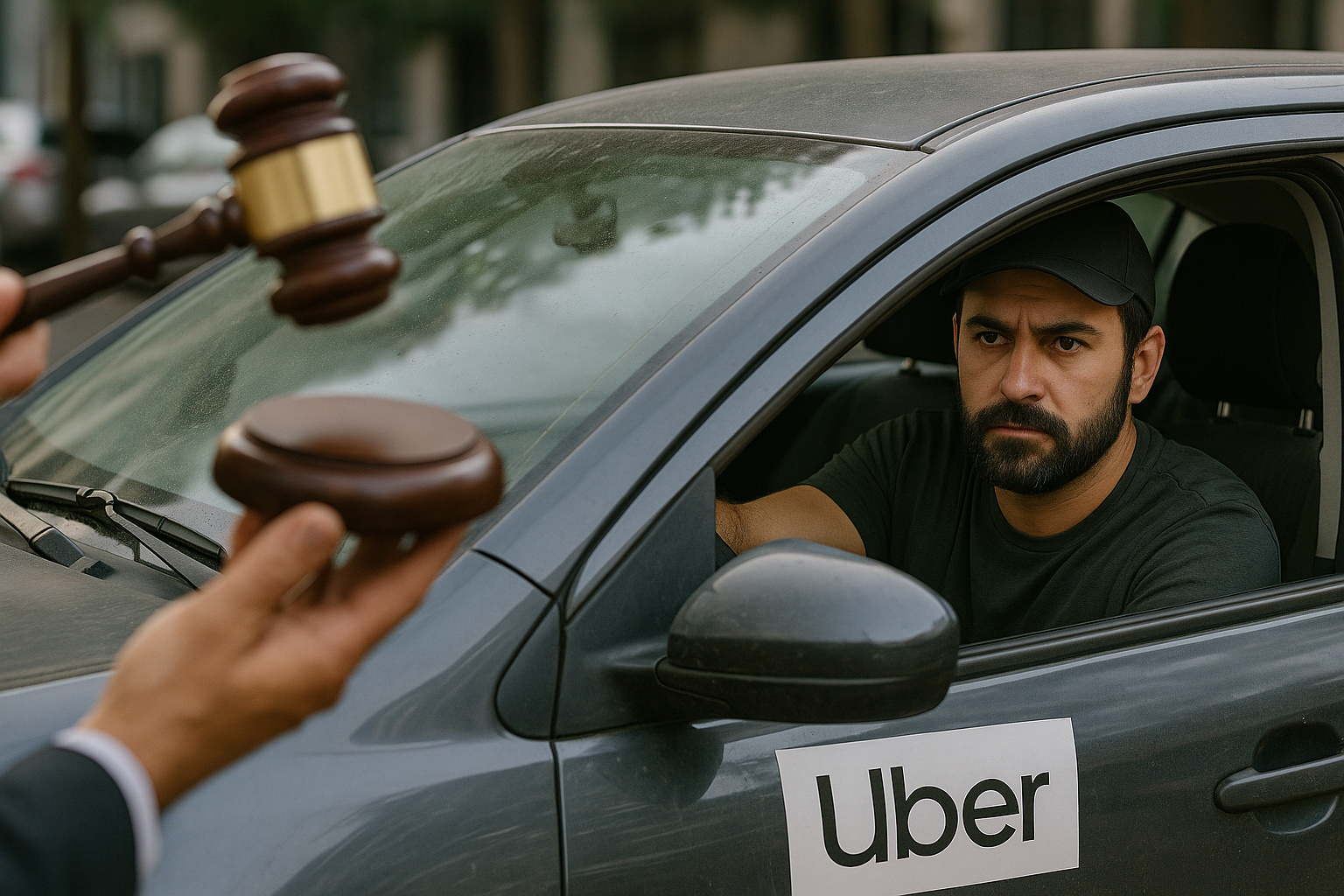

The STF Analyzes, in December 2025, Decisive Cases That Will Define the Link Between Digital Platforms and Workers
The discussion about uberization gained momentum since September 2023, when the 4th Labor Court of São Paulo recognized an employment link for app drivers. The decision condemned Uber to register all workers and pay US$ 1 billion in collective moral damages.
Although this ruling was overturned 18 months later, it exposed the difficulty in reaching consensus on the legal nature of the relationship between platforms and service providers.
As the debate progressed, thousands of cases piled up in the Labor Court. This scenario increased divergences and made the topic even more sensitive.
-
Detran RJ starts requiring a toxicological test for those obtaining their first driver’s license in the car and motorcycle category starting June 29; see who will be affected.

-
Florida takes TikTok to court and accuses the Chinese giant ByteDance of ignoring the law that bars minors under 14, while parents and authorities demand more protection for children on social networks.
-
Chamber approves constitutional amendment reducing the age of criminal responsibility from 18 to 16 years; what now?

-
Justice confirms that old debts in tax executions that have been stalled for more than 15 years can no longer be collected through judicial or administrative means.


With the rise of unfavorable decisions, platforms turned to the Supreme Federal Court. The STF began to admit constitutional complaints even against first-instance decisions, which broadened the legal debate.
Legal Conflict Intensifies With Opposing Positions Between STF and Labor Court
The STF understands that transforming independent contractors into employees violates precedents that validated outsourcing and hiring through legal entities. The Labor Court, on the other hand, argues that these precedents do not directly address the reality of platforms.
Therefore, several judges claim that there are classic elements of employment, such as personal connection, habituality, costliness, and subordination. This analysis is based on concrete facts presented in the cases.
In 2023, Uber appealed to the STF against a decision from the 8th Panel of the TST, which recognized a link to a driver. The Supreme Court took on the responsibility to give the final word and recognized general repercussions in Topic 1,291.
According to the Attorney General’s Office, over 17 thousand lawsuits on the subject were pending at that time. Data from the CNJ revealed that requests for the employment link increased from 165.3 thousand in 2020 to 441.1 thousand in 2024.
2025 Ruling May Change the Future of Platforms
In October 2025, the STF initiated the trial involving Uber (RE 1.446.336) and Rappi (RCL 64.018). The final decision is expected in December 2025. It may redefine the jurisdiction of the Labor Court and the limits of contractual autonomy in digital platforms.
According to IBGE, 1.7 million Brazilians worked on platforms in 2024. Among them were 964 thousand drivers, 485 thousand delivery workers, and 294 thousand professional service providers. These numbers reinforce the economic relevance of the ruling.
Algorithmic Subordination Enters the Center of the Debate
The discussion on algorithmic subordination has also gained prominence. This occurs because control would shift from physical to digital systems.
These systems distribute rides, set fares, monitor performance, and apply automatic penalties. Many judges consider that these elements constitute typical subordination.
Senate Discusses Social and Social Security Impacts
In the Senate, the president of the TST, Vieira de Mello Filho, stated that these workers do not possess real autonomy, as they do not set prices or clients. He also highlighted the loss of guarantees such as FGTS, 13th salary, and social security protection.
According to him, an essential question arises: “Who will pay for the Social Security of future generations?”.
The retired judge Vólia Bomfim, from TRT-1/RJ, advocates for a middle-ground solution. For her, it is possible to ensure autonomy without eliminating a basic social safety net.
Workers’ Preferences Reveal a Complex Scenario
According to Datafolha research commissioned by Uber and published by Folha de S.Paulo in October 2025, six out of ten drivers prefer not to have a formal link. They value the flexibility and autonomy that the model provides.
Despite this, the main demand is support for vehicle renewal. The highest rejection is for payment to the INSS.
The Future of Work in Brazil Depends on the STF Decision
Experts assess that the STF’s decision could be a turning point for the platform market. The country will need to balance autonomy, social protection, legal security, and sustainability of employment relations.
What do you believe should be a priority for Brazil: ensuring immediate labor protection for platform workers or preserving the autonomy and flexibility that characterize uberization? Share your opinion!





Os sujeitos quem benefícios sociais mas não querem nem pagar o INSS? juíza aposentada fala” quem vai pagar as aposentadorias lá na frente” .