Portuguese
  Spanish


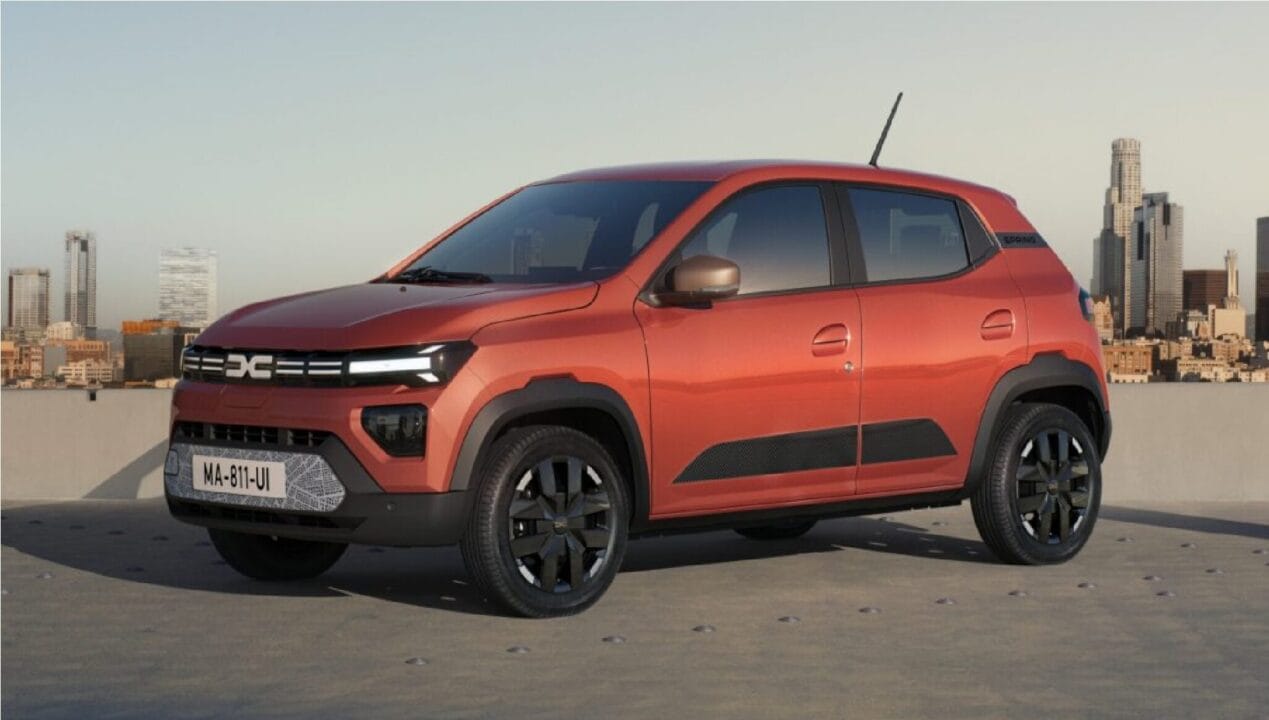

The New Electric Car from Renault, the Kwid Electric, Is Almost Arriving in Brazil and Brings Several Innovations for Consumers
The Renault Kwid E-Tech electric vehicle, known as Dacia Spring in Europe, is set to arrive with a new look and a series of technological updates. The electric compact from Renault, which gained fame for its urban and efficient proposal, is undergoing a significant transformation, aiming for a launch in the second half of 2024 on the European continent, according to the Jornal do Carro website.
The facelift of the European Renault Kwid Electric visually aligns it with the third generation of the Duster SUV, adopting a more imposing grille that aligns with the headlights, which now feature LED technology and a “Y”-shaped design similar to the Duster. The rear has also received attention, with redesigned LED taillights interconnected by a matte black horizontal applique, highlighting the “Dacia” brand in the center.
Technology and Modernity in the Cabin of the Renault Kwid
Inside the Kwid, the Dacia Spring received a technological upgrade, incorporating elements from the Duster, such as a 7” digital instrument panel and a multifunction steering wheel. In the better-equipped versions of Renault, a 10” multimedia system offers even more features. The finish remains simple, with plastic on the dashboard and fabric seats, but features new air conditioning vents and a joystick-style gear lever.
-
Thinking of Installing LED Headlights? Why Replacing Halogen Bulbs is Still Banned, the Glare Risks Authorities Worry About, and How a New Proposal Could Allow Certified, Safe Installations

-
2027 Toyota Corolla Cross Unveiled: New Design, Enhanced Fuel Efficiency, Reduced Maintenance Costs, Advanced Technology, Connected Services, and Up to 10-Year Warranty

-
Fiat Cronos Precision 2018: Affordable Sedan with Spacious Trunk and Reliable Maintenance
-
Volkswagen to Cut Production by 1 Million Cars by 2030, Reducing Jobs and Platforms, Focusing on More Profitable Models




The Renault model has slightly reduced its length, now measuring 3.70 meters, but the trunk remains spacious, with a capacity of 308 liters. In terms of safety, the Dacia Spring offers emergency braking, lane departure warning, and speed limit sign recognition, ensuring safer driving in city streets.
Efficient Powertrain in the New Kwid
Despite changes in design and onboard technologies, the Dacia Spring maintains its unchanged powertrain, offering two power options: 45 hp and 65 hp, the latter available in the model sold in Brazil. The vehicle is equipped with a 26.7 kWh lithium-ion battery, capable of providing a range of 250 km according to European standards.
Set to launch in the second half of 2024 in Europe, the new Dacia Spring is expected to maintain its position as the most affordable electric vehicle on the continent. However, Renault has yet to disclose information on the prices of the new Kwid. It is anticipated that the updated model will continue to be an attractive option for those looking for an accessible and efficient electric vehicle for daily use in cities.