






 Portuguese
  Spanish


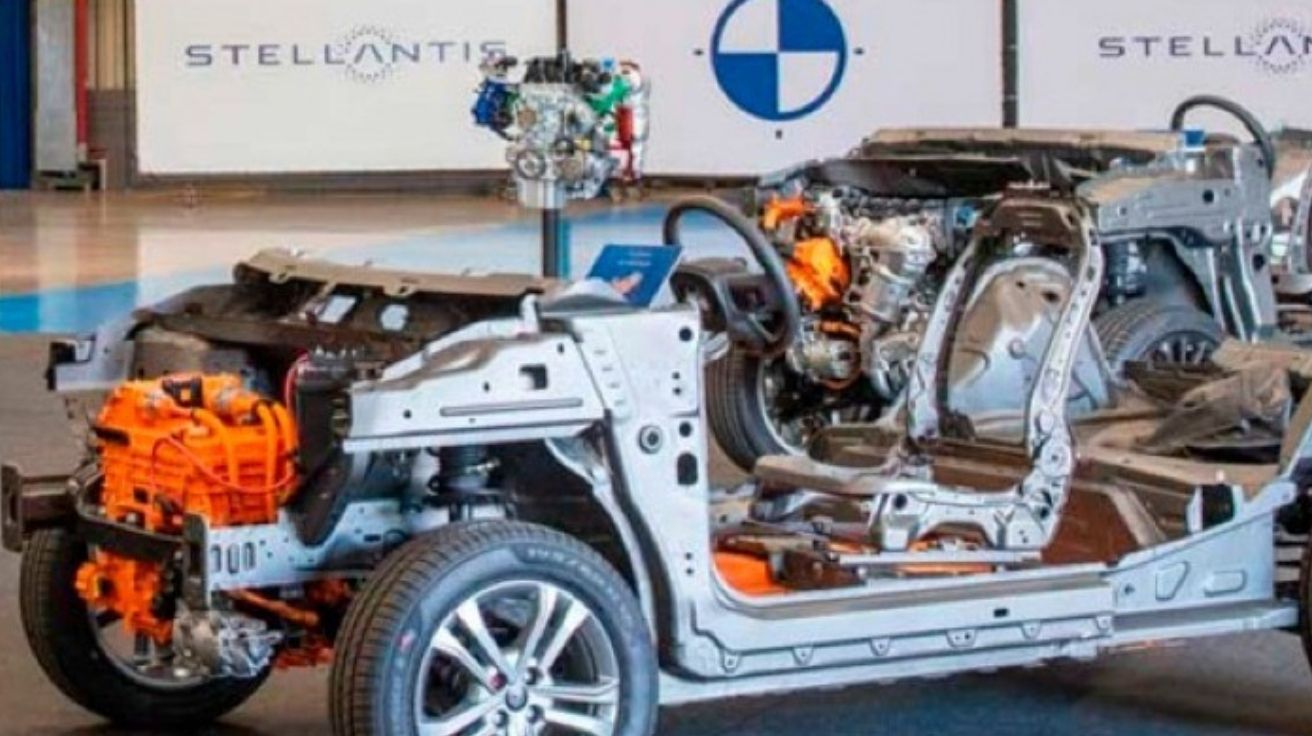


100% Ethanol Engine Promises Up to 30 Km/L, Challenges Electric Cars, and Could Revolutionize the Automotive Sector with Green and Brazilian Technology.
Stellantis, the group that manages brands such as Fiat, Jeep, Peugeot, and Citroën, is developing a 100% ethanol engine with the potential to achieve up to 30 km per liter.
This technological proposal arises as a direct response to the growing popularity of electric vehicles, offering a more accessible alternative, with lower environmental impact and adapted to the existing infrastructure in Brazil.
While electric vehicles with batteries emit an average of 22.1 g of CO₂ per kilometer using the Brazilian electric grid, plug-in hybrids powered by ethanol (E100) can emit about 30.3 gCO₂/km, according to the ICCT.
-
Billionaire says the most valuable skill will help overcome job elimination caused by AI, following Bill Gates’ fears

-
A Dutchman created a ‘box’ that makes trees grow in the desert almost without water and without irrigation: the invention has already brought seedlings to dozens of countries and achieves up to 90% survival where common planting did not exceed 10%.

-
Abandoned warehouse hid a giant collection of rare computers, with over 2,000 artifacts from the 1930s to the 1980s.
-
She spent 73 years breathing inside an iron lung, survived the aftereffects of polio, and became the last woman in the United States dependent on the equipment before dying at 78 years old.





The difference, although small, becomes even more relevant when considering the cost per kilometer and the feasibility of refueling throughout the national territory.
Bio-Hybrid Technology Is Already on the Streets
Currently, Stellantis is already marketing models such as the Fiat Pulse and the Fastback, equipped with the T200 engine and a mild hybrid system (MHEV).
These vehicles adopt Bio-Hybrid technology, which guarantees efficiency gains of up to 11.5% compared to conventional versions.
However, the current bet goes beyond the mild hybrid: the focus is on creating vehicles with a ethanol-powered engine, completely eliminating the use of gasoline.
This transition will be gradual.
The forecast is that the first 100% ethanol models will start to operate in corporate and public fleets in the second half of 2025.
Commercialization for the end consumer will follow.
30 Km/L Ethanol Target Requires Technological Advances
Currently, hybrid vehicles like the Pulse achieve about 9.3 km/l in the city, according to Inmetro.
To reach the 30 km/l target, Stellantis is studying the combination of ethanol engine technology in Brazil with full hybrid (HEV) and plug-in (PHEV) solutions, enhancing both energy efficiency and autonomy.
The models under development are expected to use:
- High compression ratios, above 14:1, taking advantage of the octane rating of ethanol;
- Direct fuel injection at high pressure;
- Ethanol pre-heating systems, eliminating the need for gasoline during cold starts;
- Turbochargers optimized for biofuels;
- Improved fuel quality, such as reducing the water content in ethanol.
Studies are being conducted in partnership with institutions such as the Polytechnic School of USP, contributing technical know-how to increase thermal efficiency and performance of the new engines.
Ethanol Engine Performance vs. Electric: A Realistic Comparison
While electric vehicles offer instant torque and absolute silence, the new models from Stellantis promise performance equivalent to gasoline turbo engines, but with the advantage of using ethanol—a renewable resource that is widely available in Brazil.
The current T200 Bio-Hybrid, for example, already delivers 130 hp of power.
The new generation of E100 engines is expected to surpass this mark, with improved torque delivery thanks to turbocharging technology and fuel efficiency.
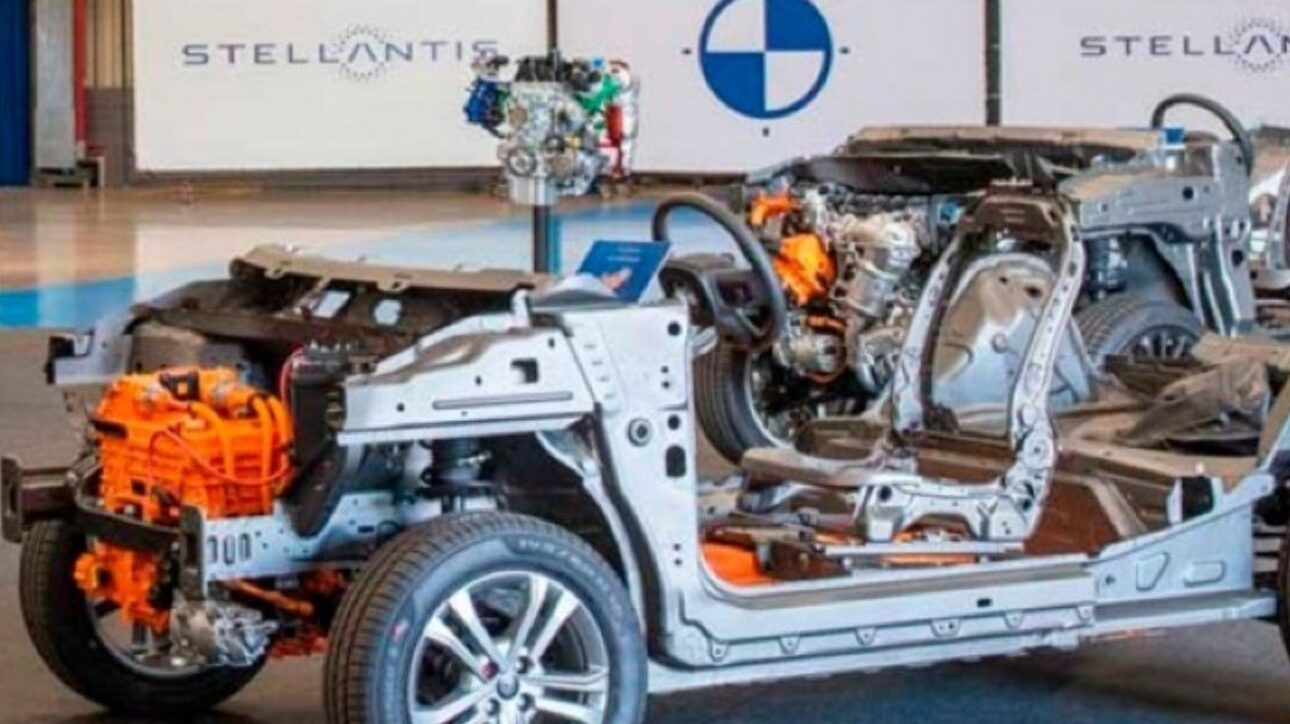
Cost per Kilometer Is a Strategic Differential
Stellantis also highlights the cost per kilometer as one of the major advantages of the ethanol-powered engine.
With the liter at R$ 4.45, a vehicle that achieves 30 km/l would have a cost estimated at R$ 0.148/km.
In comparison, electric vehicles range between R$ 0.116/km and R$ 0.188/km, depending on the energy tariff.
The difference, which may seem small on short trips, significantly expands over the vehicle’s lifespan.
Furthermore, Brazil has more than 40 thousand fuel stations, which eliminates the dependency on an still incipient charging infrastructure for electric vehicles.
Billion-Dollar Investment and Focus on National Engineering
To enable the transition, Stellantis will invest R$ 30 billion in South America between 2025 and 2030.
Part of these resources will be allocated to the industrial hub in Betim (MG), which will be consolidated as a global center for Research and Development in biofuels.
The strategy anticipates the generation of skilled jobs, strengthening the local industry, and expanding the ethanol production chain.
The company is also aligning with federal public policies such as the Fuel of the Future program and the MOVER (Green Mobility and Innovation) initiative, which stimulate sustainable technologies and national production of automotive innovation.
Next Steps Until 2030
Stellantis’ timeline foresees that the first vehicles with a 100% ethanol engine will begin to circulate in controlled environments (such as public fleets) in 2025.
The models equipped with more advanced hybrid systems, such as the Bio-Hybrid eDCT (full hybrid) and Bio-Hybrid Plug-In, are expected to be launched to the market between 2026 and 2030.
The focus is not only on the average consumer but also on governments, companies, and farmers seeking more economical, sustainable alternatives aligned with Brazilian reality.
In light of this scenario, do you believe that the 100% ethanol engine could be the true green revolution for the Brazilian automotive sector?




