






 Portuguese
  Spanish


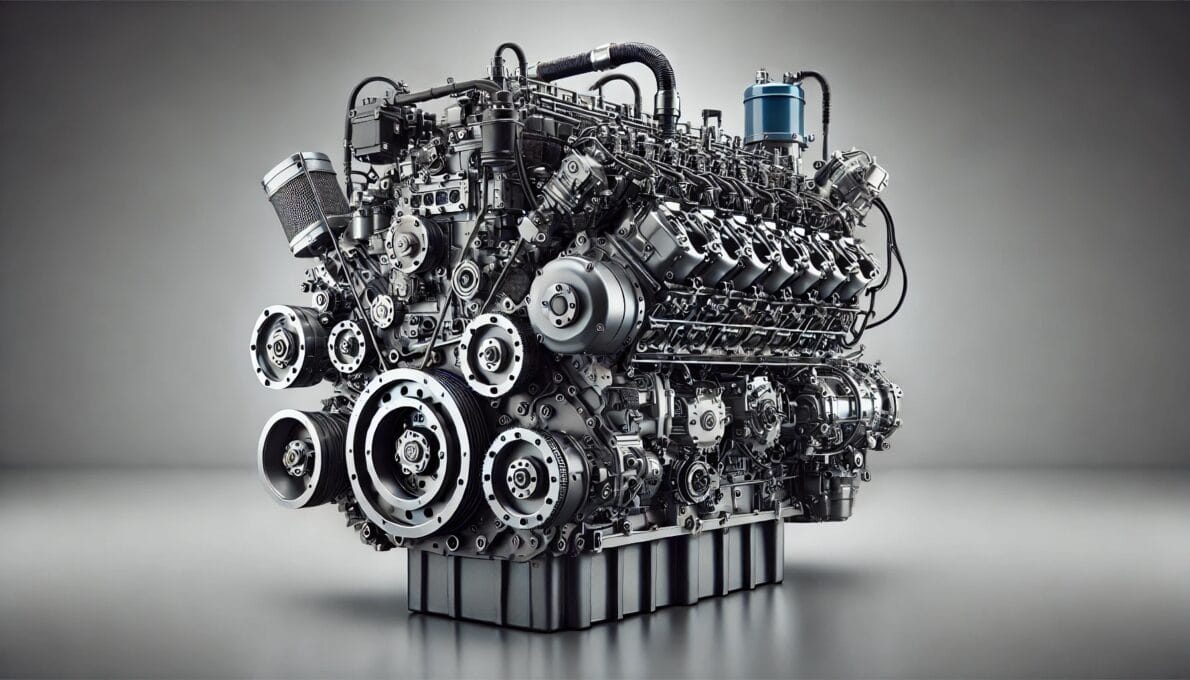


New Hybrid ‘Stealth’ Engine From Rolls-Royce Promises to Revolutionize the Military Sector. The New Engine for Tanks Works with Battery and Promises to Make the Vehicle More Stealthy and with up to 1,475 HP of Power.
Rolls-Royce revolutionizes with hybrid ‘stealth’ engine for tanks: Rolls-Royce recently revealed a new diesel hybrid ‘stealth’ engine concept, designed to make battle tanks and similar military vehicles more efficient and less detectable by enemies. Unveiled at the 2024 Eurosatory edition, one of the largest military industry fairs, this innovative engine promises to enhance stealth and effectiveness on the battlefield, marking a significant advancement in military technology.
New Engine From Rolls-Royce Delivers Up to 1,475 HP of Power
Rolls-Royce introduced its new diesel hybrid ‘stealth’ engine concept for military vehicles at the 2024 Eurosatory fair. The idea improves the efficiency and stealth of battle tanks, for example.
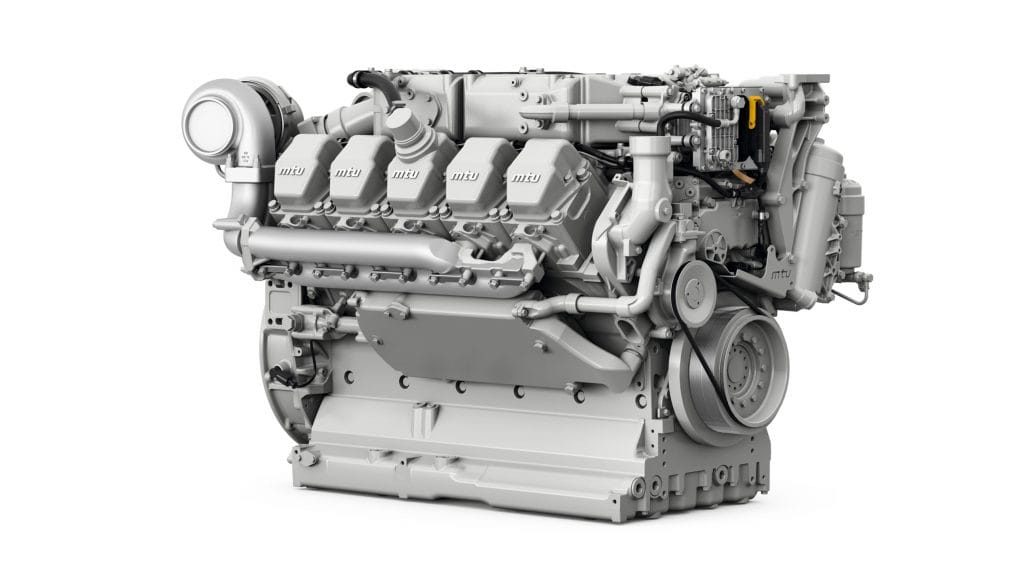
Developed by the Power Systems division of Rolls-Royce, the new engine for battle tanks is a ten-cylinder variant of the MTU 199 series. It can deliver more than 1,475 HP and is developed to provide additional power to armored vehicles for future systems (such as military lasers).
-
Amazonian Fruit Bacuri: A Nutrient Powerhouse with Antioxidants, Vitamins, and Bioactive Compounds, Ideal for Sweets and Beverages

-
Açaí Genome Sequenced for the First Time, Potentially Tripling the Speed of Developing New Cultivars
-
Geologists Find 4% of Normandy D-Day Beach Sand Still Contains Metal Fragments from WWII Explosions

-
2027 Total Solar Eclipse to Feature Unprecedented Duration, Turning Day into Night



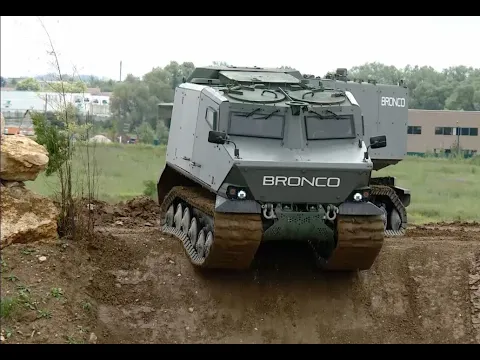

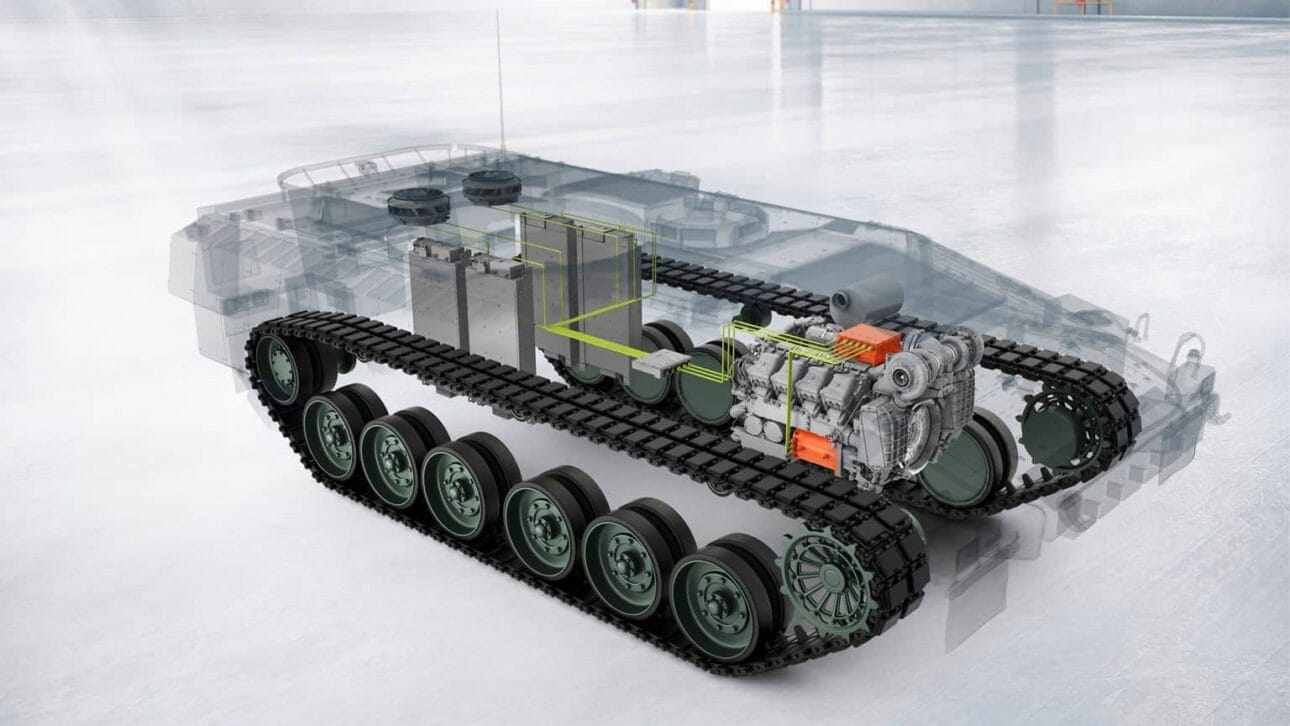
The new hybrid engine from Rolls-Royce, which has a battery-powered electric propulsion unit, takes up little space and significantly reduces fuel consumption, improving its range on missions.
The main highlight of the new hybrid ‘stealth’ engine is its ability to operate quietly and reduce the heat signature of battle tanks. Thus, the propulsion makes the detection of tanks more difficult, which enhances the camouflage capability of vehicles, especially at low speeds.
Rolls-Royce Comments on the Arrival of Its New Engine for Battle Tanks
The diesel hybrid engine concept was developed by the Power Systems division of Rolls-Royce. The new propulsion system is a ten-cylinder variant of the MTU 199 series, used by the forces of the North Atlantic Treaty Organization (NATO) and the best-selling in its class of tank engines, according to Rolls-Royce.
According to the Head of Engine and Military Systems Development at Rolls-Royce Power Systems, Christian Wolf, in a company statement, this new engine for battle tanks will expand the operational possibilities of future armored vehicles in a way that was previously almost unimaginable.
To operate with the noisy diesel part turned off is like the new hybrid ‘stealth’ engine providing cover for the battle tank. In these cases, systems are powered by batteries instead of the idling engine. Another advantage of the new engine for battle tanks is that at high speeds, the electric drive combined with diesel increases acceleration.
Rolls-Royce Also Focuses on the Aviation Sector
In addition to this new engine from Rolls-Royce for tanks, the company has also developed a jet engine powered by green hydrogen. This engine, developed by the company at a military facility in the Salisbury plains in England, could one day lead to significant changes in the aviation industry. This is because the unit operates on hydrogen. And this is the first time a modern aircraft engine operates on green fuel.
In the short term, engineers are focused on demonstrating that it is possible to operate and control a jet engine using hydrogen, rather than conventional aviation fuels.
In the long term, the goal is for hydrogen-derived energy to play a crucial role in the aviation industry, allowing the sector to continue growing while reducing its polluting emissions.


