






 Portuguese
  Spanish


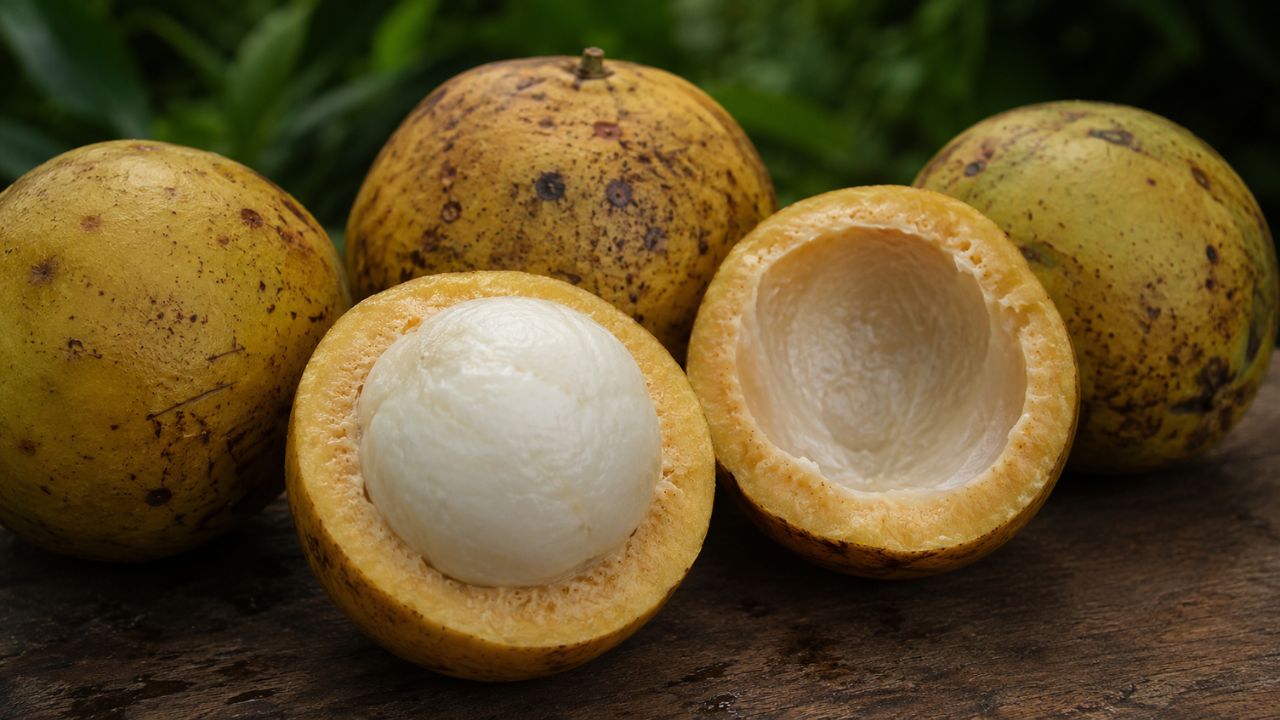

Bacuri is an Amazonian fruit rich in minerals and antioxidants, used in sweets, beverages, cosmetics, and traditional medicine preparations.
From a tree that can reach 30 meters in height comes a fruit with a hard shell, white pulp, and uses that go far beyond culinary. The bacuri, a species native to the Amazon and also found in areas of the Cerrado and the Cocais Forest, provides raw material for juices, jams, ice creams, liqueurs, cosmetics, and traditional preparations used as healing and anti-inflammatory agents.
Scientifically known as Platonia insignis, the bacurizeiro was once primarily exploited for the strength of its wood, used in the construction of houses and boats. Over time, the value of the fruit gained more prominence, especially in the North and Northeast regions.
According to Embrapa, the species combines fruit-bearing and timber functions. Pulp, shell, seeds, bagasse, trunks, and branches can have different applications, making the bacurizeiro a plant with broad utilization.
-
Açaí Genome Sequenced for the First Time, Potentially Tripling the Speed of Developing New Cultivars

-
Geologists Find 4% of Normandy D-Day Beach Sand Still Contains Metal Fragments from WWII Explosions

-
2027 Total Solar Eclipse to Feature Unprecedented Duration, Turning Day into Night
-
China Unveils 300-Ton Hybrid-Electric Truck as the Heavy Machinery of the Future


Learn all about Bacuri
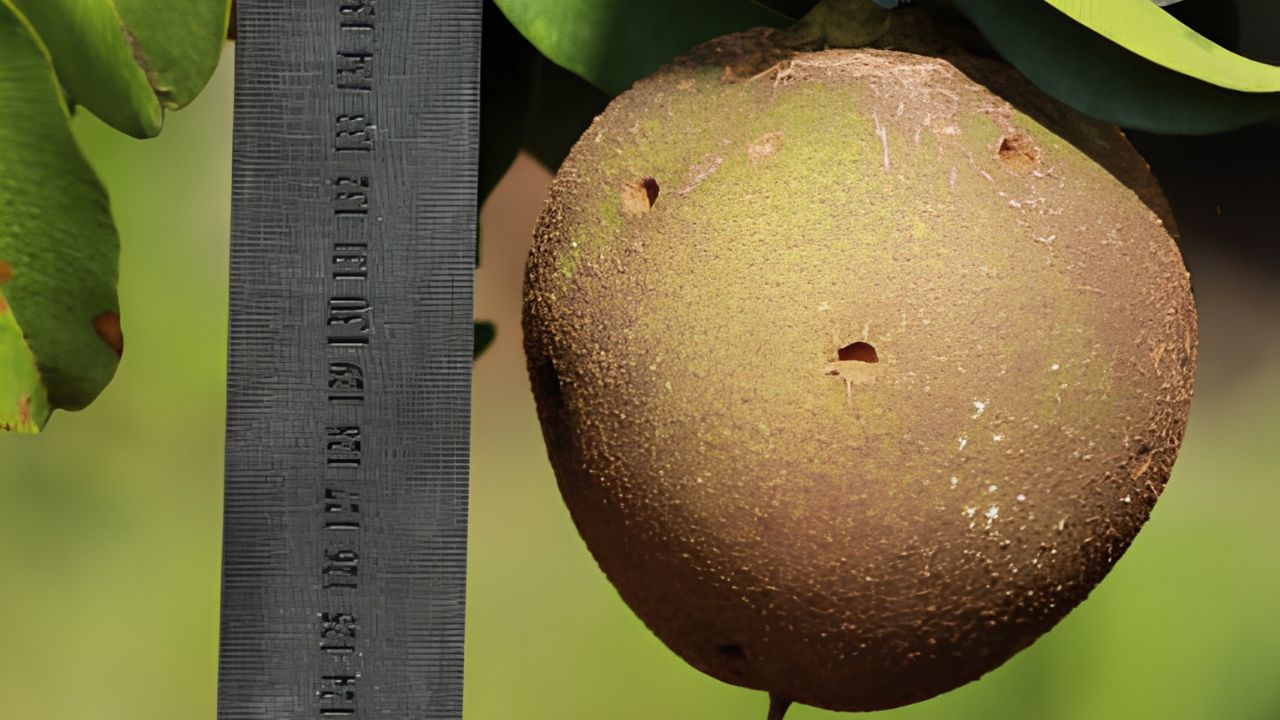
The fruit measures, on average, about ten centimeters. On the outside, it has a hard and resinous layer; inside, it holds a white, aromatic pulp with a strong flavor.
The edible part corresponds to approximately 15% of the total weight. Despite this proportion, the pulp has a significant presence in regional cuisine and can be processed in different ways.
Among the products made with bacuri are:
- juices and frozen pulps;
- sweets and jams;
- ice creams;
- liqueurs;
- other regional cuisine recipes.
The possibility of also using shells, seeds, and bagasse expands the economic potential of the fruit and reduces the idea that only the pulp has value.
Fruit gathers minerals and antioxidant compounds
Bacuri contains phosphorus and calcium, in addition to other minerals present in its composition. Among the mentioned elements are sodium, potassium, magnesium, iron, zinc, and copper. The fruit also contains sugars such as glucose, fructose, and sucrose.
Its composition also includes antioxidant substances, among them vitamins C and E, flavonoids, anthocyanins, and polyphenols.
This set contributes to the species sparking interest not only in food but also in research and activities related to natural products.
According to Embrapa, the fruit stands out for its potassium, phosphorus, and calcium content, while different parts of the plant find application in cooking and other sectors.
Seed oil is used in folk medicine
The seeds of the bacuri provide an oil associated with various traditional uses. In folk medicine, the product is used as an anti-inflammatory and healing agent.
In the Marajó region, it also appears in preparations used against skin problems, earaches, and discomfort caused by rheumatism and arthritis. There are also records of popular use in cases of spider and snake bites.
These applications are part of the traditional knowledge linked to the species. The oil is also utilized by the cosmetics industry, expanding the use of seeds that could be discarded after the pulp is removed.
Tree was once valued mainly for its wood
Before gaining greater recognition as a fruit-bearing tree, the bacurizeiro was sought mainly for its resistant wood.
Trunks and branches provide a material considered noble, used in the manufacture of boats and the construction of dwellings. The demand for wood still exists, according to Embrapa’s information.
This characteristic places the species in a particular position: the same tree can produce fruits for food, seeds used for oil extraction, and wood for various constructions.
The history also shows how the economic perception of the bacurizeiro has changed. A plant once observed mainly for its trunk has come to be valued for the entire chain formed around its fruits.
Bacurizeiro can form thousands of sprouts
Reproduction occurs in two ways: by seeds or by sprouts that emerge from the roots.
In areas of open vegetation and at the beginning of regeneration, the concentration can reach 40,000 plants per hectare. This capacity helps explain the presence of large clusters of the species in certain areas.
The bacurizeiro is classified as evergreen, for maintaining its leaves throughout the year, as well as heliophyte and hygrophyte. Its flowers can be white or pink in color.
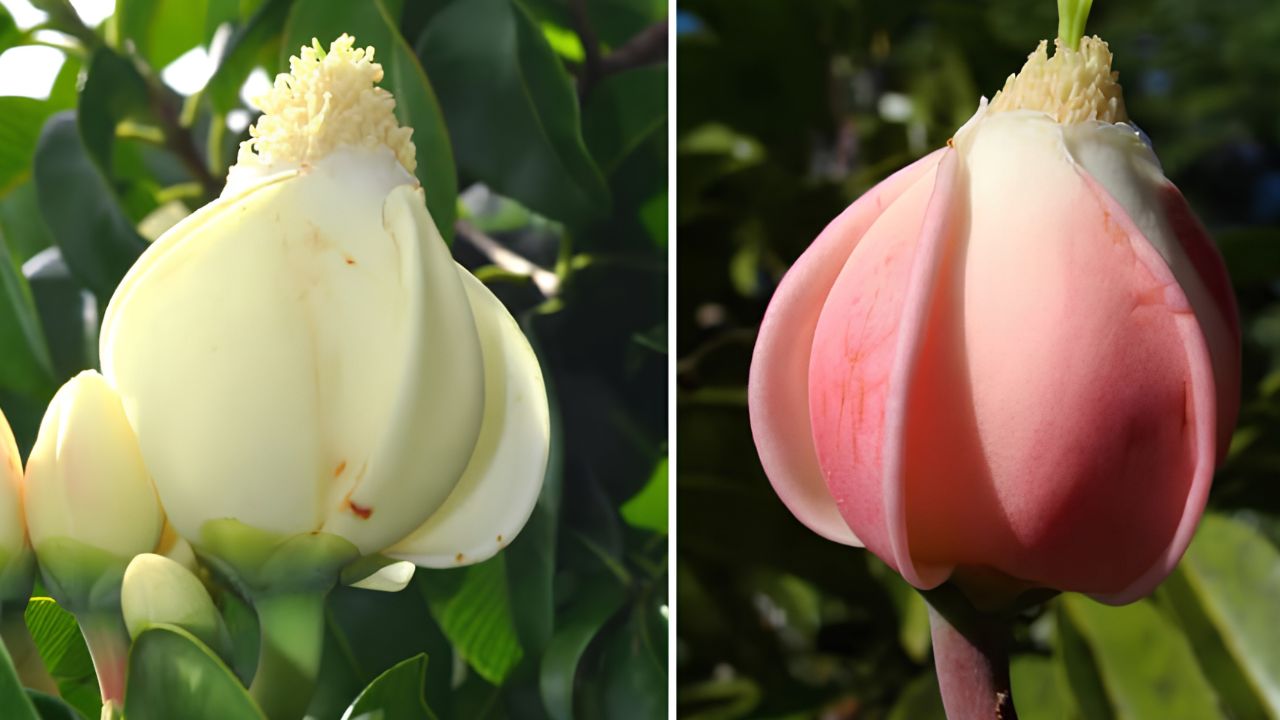
Maria Oliveira do Nascimento.
When it grows in primary vegetation, it usually reaches between 15 and 25 meters. Some specimens exceed 30 meters, and the tallest can reach approximately 40 meters in height and two meters in diameter.
The diameter measured at chest height usually varies between 70 and 120 centimeters in the specimens described in this type of environment.
Species surpasses the limits of the Amazon rainforest
Although it is strongly associated with the Amazon, bacuri also appears in other vegetation formations. The fruit is found in the Cerrado, mainly in the states of Maranhão and Piauí, and in areas of the Cocais Forest. It also has a significant presence in Pará.
Its popularity extends throughout the Northern Region and to states close to the Amazon area, where the aroma and flavor of the pulp support different culinary traditions.
The distribution in more than one biome shows that the species can occupy distinct environments, although it maintains a particularly strong historical and cultural connection with the Amazon.
Scientific name was changed in the 19th century
The botanical classification of the bacurizeiro underwent a change during the 19th century. The Brazilian botanist and naturalist Manuel Arruda da Câmara initially described the plant with the name Moronobea esculenta.
In 1832, the German botanist Karl Friedrich Philipp von Martius concluded that the species did not fit correctly in that genus. He created the genus Platonia and began to identify it as Platonia insignis Mart.
The revision mainly considered the organization of the stamens. In species classified as Moronobea, these structures appear in a spiral arrangement; in Platonia, they have an upright form. Currently, the bacurizeiro is recognized as a fruit tree of the Clusiaceae family.
All parts of the bacuri can be useful
The utilization of bacuri does not need to end after the pulp is removed.
Each part can serve a different purpose:
- Pulp: used in the production of sweets, beverages, ice creams, and liqueurs;
- Seeds: provide oil used in cosmetics and popular preparations;
- Peel: can be used in regional recipes;
- Pulp residue: has potential for use along with other residues;
- Trunks and branches: provide resistant wood.
The diversity of applications increases interest in the species and allows for the development of economic activities linked to different stages of processing.
Bacuri combines tradition, nutrition, and economic potential
The trajectory of the bacurizeiro shows a change in the way of perceiving the resources offered by a native plant.
For a period, the interest was focused on its wood. The appreciation of the fruit revealed new possibilities for farmers, regional kitchens, pulp producers, and cosmetic industries.
According to Embrapa, the combination of tasty fruit, seed oil, and resistant wood makes the species useful in different activities.
Thus, the bacuri combines nutritional, cultural, and economic characteristics in a single tree. From the hard-shelled fruit to the oil extracted from the seeds, almost all parts can have a purpose.


