Portuguese
  Spanish


Açaí genome was sequenced by researchers from UFPA and Embrapa and can accelerate productive, resistant, and adapted cultivars to firm land.
Researchers from the Federal University of Pará (UFPA) and Embrapa Amazônia Oriental have sequenced, for the first time, the açaí genome, an advancement that could shorten the development of new cultivars and facilitate the selection of more productive, resistant plants rich in anthocyanins. Conducted from samples preserved in Embrapa’s genetic bank, the work was published in the scientific journal Genome.
The mapping allows part of the selection, previously dependent on long observation cycles in the field, to begin to be conducted in the laboratory through genetic markers. According to researcher Maria do Socorro Padilha, from Embrapa Amazônia Oriental, a process that previously required 24 years could be completed in approximately eight to ten years with the support of current data.
The research also clarified why there are purple and green fruits, popularly known as “white açaí,” and opened paths for studies aimed at producing natural dyes, antioxidants, and varieties capable of growing in less flooded areas.
-
Geologists Find 4% of Normandy D-Day Beach Sand Still Contains Metal Fragments from WWII Explosions

-
2027 Total Solar Eclipse to Feature Unprecedented Duration, Turning Day into Night
-
China Unveils 300-Ton Hybrid-Electric Truck as the Heavy Machinery of the Future

-
Brazilian mechanic invents simple solar lamp using water and chlorine in a PET bottle, providing up to 60 watts of light during the day


Açaí genome can avoid years of waiting in the field
The development of a new cultivar requires researchers to monitor the plants for years before confirming characteristics such as production, fruit coloration, and agronomic behavior.
With the sequencing, certain regions of the DNA can function as early signals of these characteristics. Instead of waiting for the palm to grow and produce, teams can analyze in advance if a plant has genes associated with the desired outcomes.
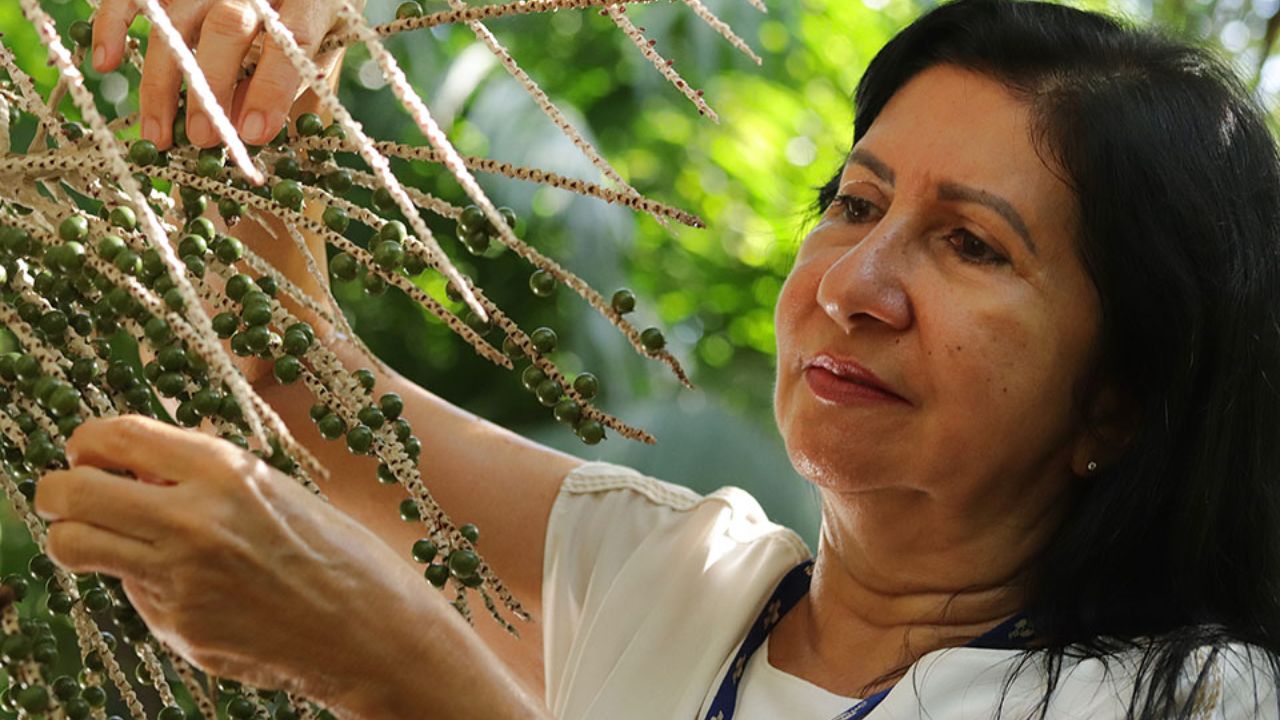
Researcher Elisa Moura, from Embrapa Amazônia Oriental and one of the authors of the article, explains that the açaí palm can take about six years to provide information on productivity and presence of anthocyanins.
“With the sequencing, we can identify regions of the genome that function as markers to avoid the wait of about six years,” says Moura.
The method does not completely eliminate field evaluations. However, it allows researchers to focus time and resources on plants with the greatest potential identified during genetic analyses.
First cultivar took 24 years to develop
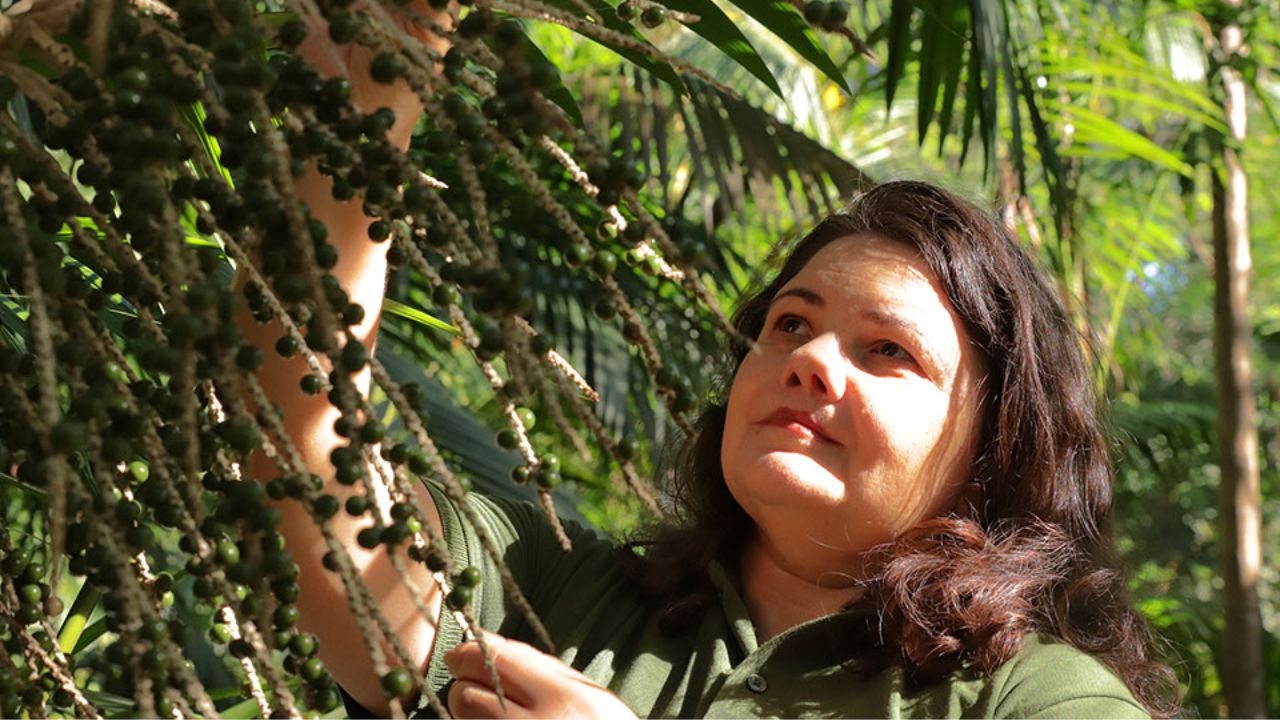
Maria do Socorro Padilha, who was part of the team responsible for launching the first açaí cultivar in 2005, compared the new scenario with the work done previously. In that project, it took 24 years of field monitoring and selection until the cultivar was completed.
With consistent information about the açaí genome, Padilha estimates that the same type of development could be accomplished in a period between eight and ten years.
According to the researcher, the genetic data allows transferring a significant portion of the selection to the laboratory, reducing the number of plants that need to go through all external stages.
The expectation is to integrate the results observed in the palm trees with the data produced by the genetics, molecular biology, and bioinformatics teams.
What sequencing can accelerate
The genetic mapping can support research aimed at different characteristics of the açaí palm:
- increase in fruit productivity;
- higher concentration of anthocyanins;
- identification of genes related to disease resistance;
- adaptation of the plant to cultivation on firm land;
- understanding the differences between purple and white açaí;
- search for molecules of interest to the pharmaceutical and cosmetic industries;
- creation of a future public base for other researchers.
These applications will depend on new stages of investigation, but sequencing offers a reference to locate specific regions of the species’ DNA.
Research explains the difference between purple and white açaí
The study analyzed fruits at different stages of development, including a purple variety and another that produces the so-called white açaí. The comparison showed that the purple hue appears when an enzyme linked to the formation of anthocyanins becomes active.
In white açaí, the genes responsible for initiating this process remain largely inhibited. As a result, the fruits do not develop the more well-known purple coloration. Anthocyanins are natural plant pigments and are one of the characteristics that researchers wish to understand and select with greater precision.
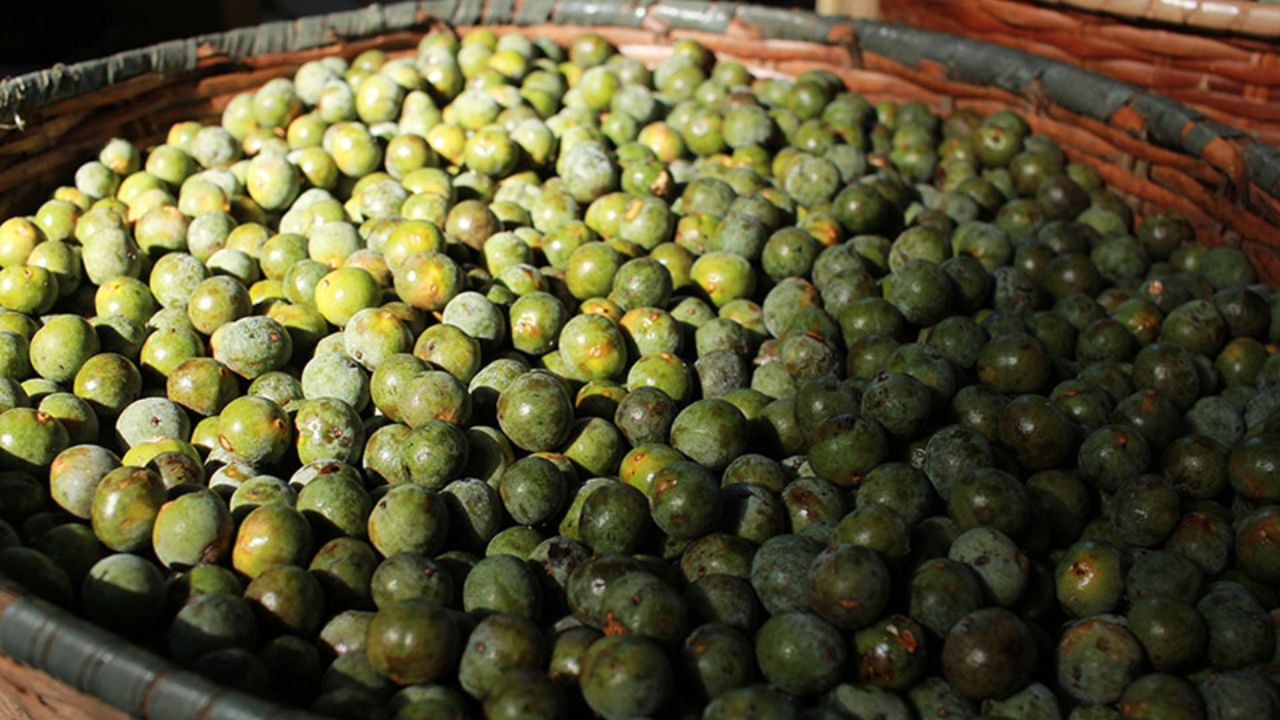
The result allows observing the coloration not only as a visible characteristic but as a consequence of mechanisms present in the açaí genome.
Cultivar BRS Pai d’Égua provided genetic material
The first stage of the work took place at the genetic bank maintained by Embrapa Amazônia Oriental. The institution selected samples from the cultivar BRS Pai d’Égua for DNA sequencing.
It also provided purple and white fruits at different stages, used to monitor gene activity during ripening. After selection, the material was sent to the Biological Engineering Laboratory of UFPA, EngBio.
Located in the Guamá Science and Technology Park in Belém, the laboratory was responsible for extracting and sequencing the DNA. The team also used bioinformatics resources to organize the fragments and assemble the species’ genome.
The division of activities brought together Embrapa’s knowledge on the conservation and improvement of the açaí palm with UFPA’s structure in the areas of biological engineering and computational analysis.
Adaptation to firm land is one of the objectives
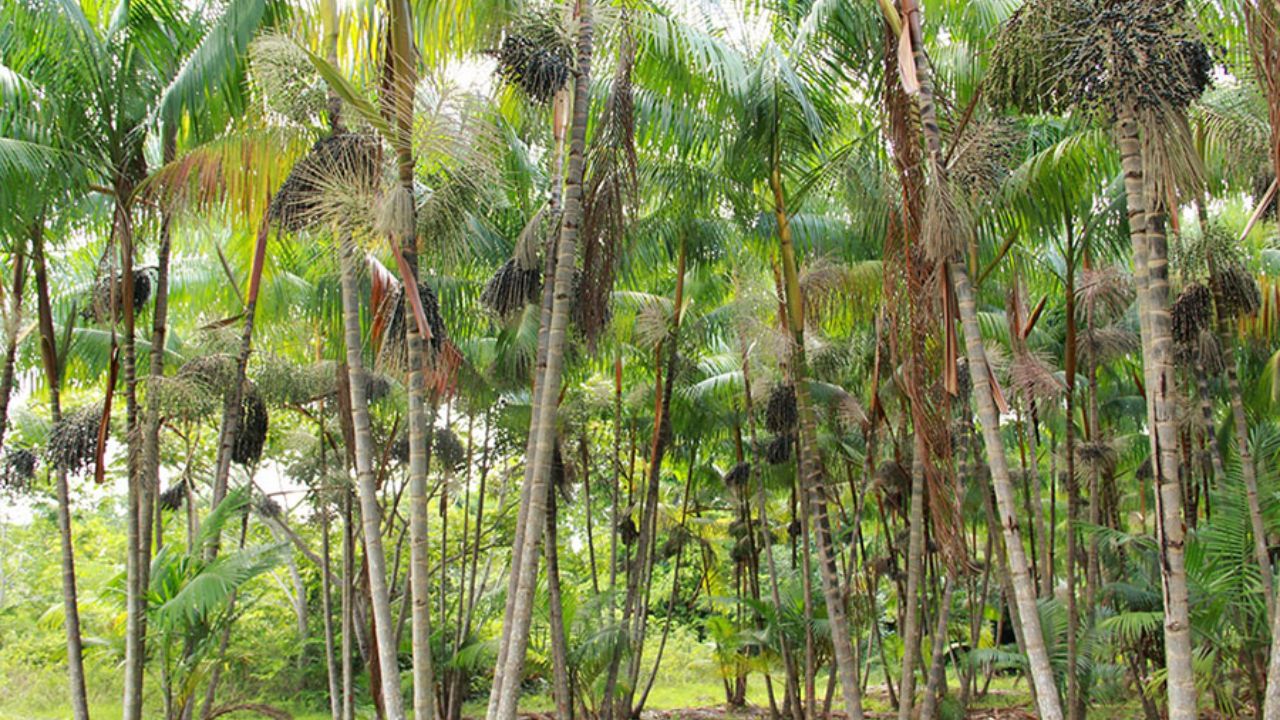
The açaí palm originates from floodplain forests, environments that undergo periods of flooding. For this reason, finding plants better prepared to grow in areas with less water availability is among the focuses of the research conducted by Embrapa.
The knowledge of the genome may help locate characteristics related to this adaptation. With genetic markers, teams will be able to pre-select plants with greater potential for cultivation on dry land.
The advancement can expand production possibilities without relying solely on conditions found in partially floodable areas. It will still be necessary to relate DNA information to the behavior of cultivated palm trees, but the new map offers a starting point to guide this search.
Information may support response to future diseases
According to Elisa Moura, no disease currently poses a serious problem for açaí production. Even so, sequencing creates a base that can be used if a threat arises in the future.
If a disease begins to affect the plantations, researchers will be able to compare different plants and look for genes associated with resistance.
This possibility is important because the response will not need to start without a genetic reference of the species. The açaí genome will already be available to guide analyses and the selection of more resistant materials.
Industry can produce compounds without expanding plant exploitation
Professor Rafael Baraúna, from the Institute of Biological Sciences at UFPA and one of the article’s authors, points out applications that go beyond agricultural improvement. After identifying genes related to molecules of interest, new research could use bacteria or yeasts to produce these compounds in the laboratory.
Examples include natural dyes and antioxidants associated with açaí. The strategy, called by researchers as the creation of biotechnological routes, transfers to microorganisms the ability to manufacture certain substances.
“In this way, we reduce the exploitation of the plant in the field and increase the production of these substances within a controlled environment, the laboratory,” explains Baraúna. According to the professor, this approach can offer a more sustainable way to meet the demands of the pharmaceutical and cosmetic industries.
Public base may support researchers in the Amazon
Another front mentioned by Baraúna is the future creation of a public database with information about the biology of the açaí palm. The material can be consulted by researchers interested in understanding the development, ripening, and other characteristics of the plant.
The availability of the data also allows different groups to relate their results to the same genetic reference. In this way, the work carried out by UFPA and Embrapa can serve as a starting point for new scientific projects in the region.
Study received support from Fapespa and CNPq
The results were presented in the article The genome sequence of the açaí berry (Euterpe oleracea Mart.) and RNA-Seq analysis of the fruit ripening, published in the journal Genome on June 29, 2026.
The study received funding from the Amazon Foundation for Support of Studies and Research (Fapespa) and the National Council for Scientific and Technological Development (CNPq).
In addition to Elisa Moura, Maria do Socorro Padilha, and Rafael Baraúna, the work includes Maria Silvanira Ribeiro Barbosa, Sávio de Souza Costa, Davi Josué Marcon, Adan Rodrigues de Oliveira, Lucas da Silva e Silva, Maria Paula Cruz Schneider, Juarez Antônio Simões Quaresma, Diego Assis das Graças, Adonney Allan de Oliveira Veras, Simone de Miranda Rodrigues, and Artur Silva.
Açaí already holds a representative position in the bioeconomy of Northern Brazil. With the sequencing, researchers now have a tool capable of relating visible and productive characteristics to specific regions of the DNA.
The advancement could reduce the time needed to create cultivars, guide adaptation to upland areas, and support responses to potential diseases.
It also allows for the investigation of products that do not rely solely on the direct commercialization of the fruit, such as pigments and antioxidants produced by biotechnological processes. By connecting the information obtained in the field with genetics and bioinformatics, the açaí genome creates a new foundation for agricultural, environmental, and industrial research conducted from the Amazon.
With information from Embrapa