






 Portuguese
  Spanish





Company Innovates with Enhanced Rotary Engine, Overcoming Challenges of Old Models and Offering Five Times the Power of Diesel Engines.
The rotary engine, a remarkable invention in the history of internal combustion engines, fascinates with its innovation but also faces challenges, including high fuel consumption, reduced torque, polluting emissions, and complexities in lubrication. In light of this, Liquid Piston is working on the development of the “X Engine”, a new approach to enhance rotary engine technology in the automotive industry.
Check Out All the Details of the New X Engine Rotary Engine That Promises to Shake Up the Automotive Industry

The X Engine is an innovative engine that operates without pistons and is based on a thermodynamic cycle known as the high-efficiency hybrid cycle (HC). Unlike traditional engines, it employs a single rotor to perform both the compression and expansion of the working fluid, providing improved efficiency and smaller energy reductions.
Liquid Piston, the company behind this technology, claims that the X Engine represents a significant leap in rotary engine technology, addressing efficiency, lubrication, and fuel versatility issues that limited conventional models.
-
General Motors Replaces Over a Thousand Workers with 50 Cobots at Electric Vehicle Plant, UAW Union Criticizes Move Amid Industry’s Automation Push

-
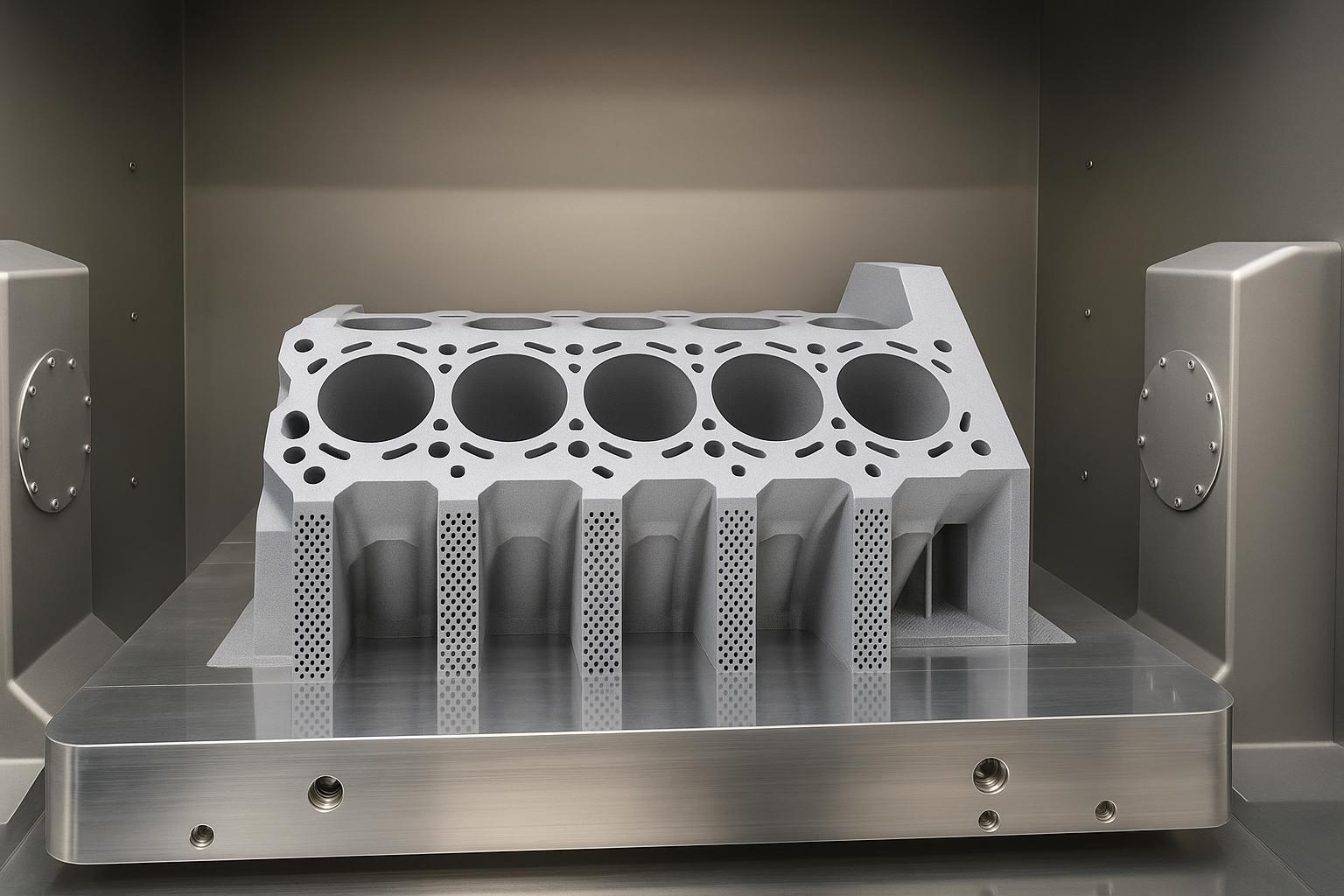
Bosch and Nikon 3D Print Entire Aluminum V8 Engine Block, Sparking New Competition in the Automotive Industry

-
Honda and Nissan Form Alliance to Tackle Competition from Chinese Automakers After $9 Billion Loss
-
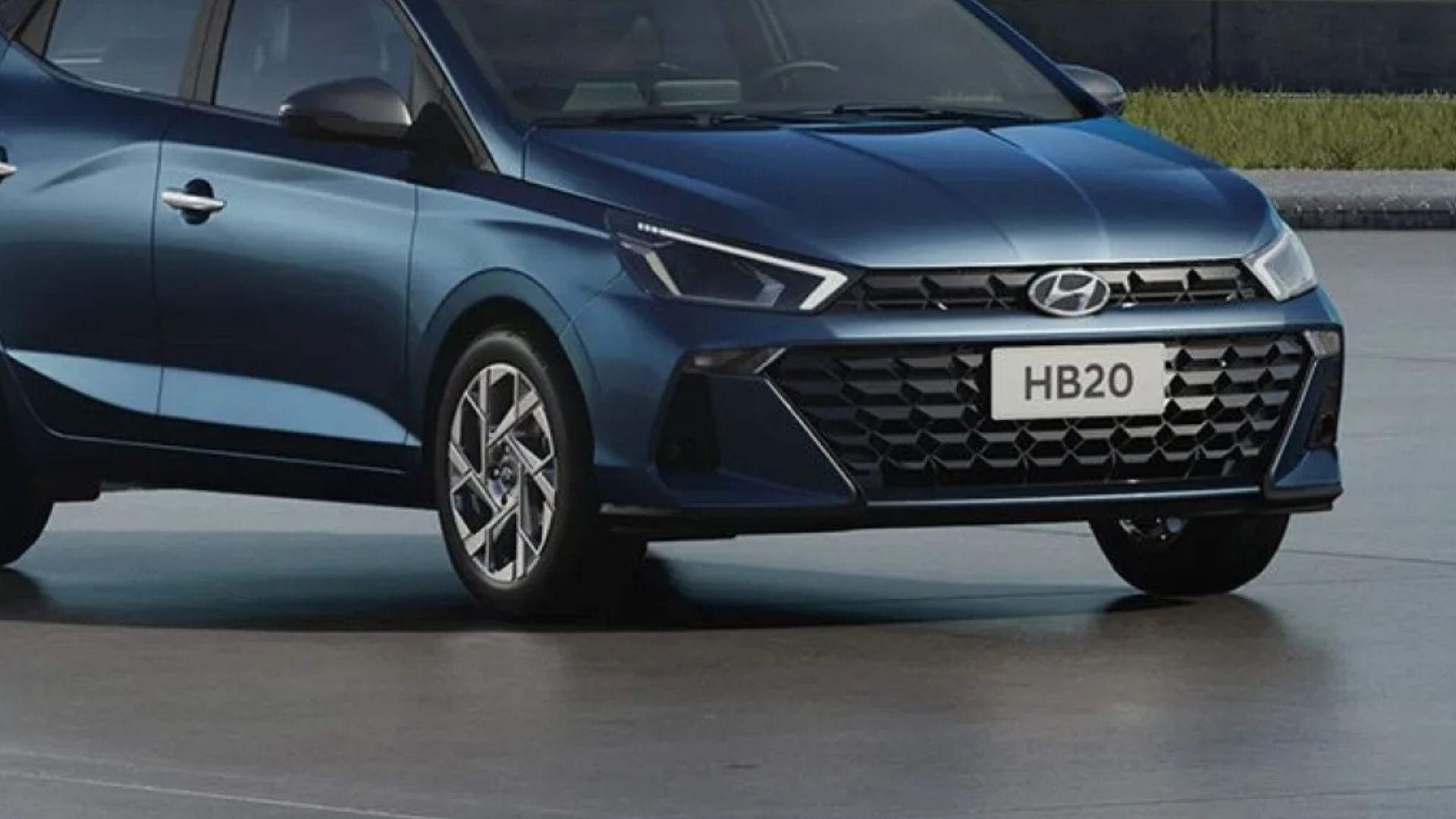
Hyundai Phases Out Powerful Engine in HB20, Reduces Turbo Version in Strategic Shift Affecting Creta and HB20S, Potentially Impacting Car Prices in Brazil.



The XTS 210 model, liquid-cooled and two-stroke, offers five times the power of a diesel engine of similar dimensions or weight, while also tripling the torque. This engine has been specifically designed for military, commercial, and aerospace applications, where high power density, fuel efficiency, and flexibility in fuel type are crucial.
Compact and lightweight, the new rotary engine is roughly the size of a basketball, weighs 19 kg, and has a displacement of 10 cm³. It is capable of operating with a variety of fuels, including diesel and aviation kerosene.
The company aims to achieve about 20 kW of power and 29.4 Nm of torque at 6,500 RPM. These figures are impressively comparable to the peak 18.8 kW and 63 Nm of the Coler KDW 13E 536A engine, which is five times larger in physical size than the X Engine rotary engine.
The Simplified Rotary Engine in the Automotive Industry: Only Two Moving Parts
The innovative rotary engine stands out for its simplified design, which includes only two main moving parts: a rotor and a shaft. The triangular-shaped rotor fits perfectly into a housing with two logos, thus forming three combustion chambers.
These chambers go through all four stages of the HC cycle (high-efficiency hybrid cycle). The connection of the shaft to the rotor is made through a planetary gear system, allowing the rotor to spin at a speed distinct from the shaft, thus optimizing engine performance.
One of the most notable features of this engine is its rounded stationary combustion chamber. This design offers a significant advantage, as it allows for high compression levels simply by reducing the size of the chamber.
The stability of the combustion chamber enables direct fuel injection, a functionality that is not feasible in traditional rotary engines. This innovation promises to significantly improve the efficiency and performance of the engine.
Innovative Features of the XTS 210 Rotary Engine
The Liquid Piston XTS 210 rotary engine stands out for two main features: an exceptionally high compression ratio and the capability for direct fuel injection. A crucial aspect of this engine is the design of its top seals, which play a role similar to piston rings in Wankel engines. In the Wankel engine, these seals are located inside the rotor, constantly moving at high speeds, which makes it difficult to maintain proper lubrication.
However, the new rotary engine from Liquid Piston takes an innovative approach: the seals are stationary, remaining fixed while the engine is in operation. This facilitates lubrication application directly from the housing, addressing one of the main challenges faced by the Wankel engine.
Alex Schkolnik, co-founder and CEO of Liquid Piston, stated that the company has managed to overcome the fundamental problems related to combustion and lubrication that previously affected the durability and emissions of traditional rotary engines.










Como é que funciona este sistema
Parabéns
Eficiência, lubrificação e versatilidade não se tornam conflitantes à potência do motor, quando num ciclo híbrido com somente duas peças móveis? mais labor ou a potência não parece inversamente uma inconveniência depois de atingidas as velocidades convencionais para uso comum e não de entretenimento (carro de corridas)?