






 Portuguese
  Spanish


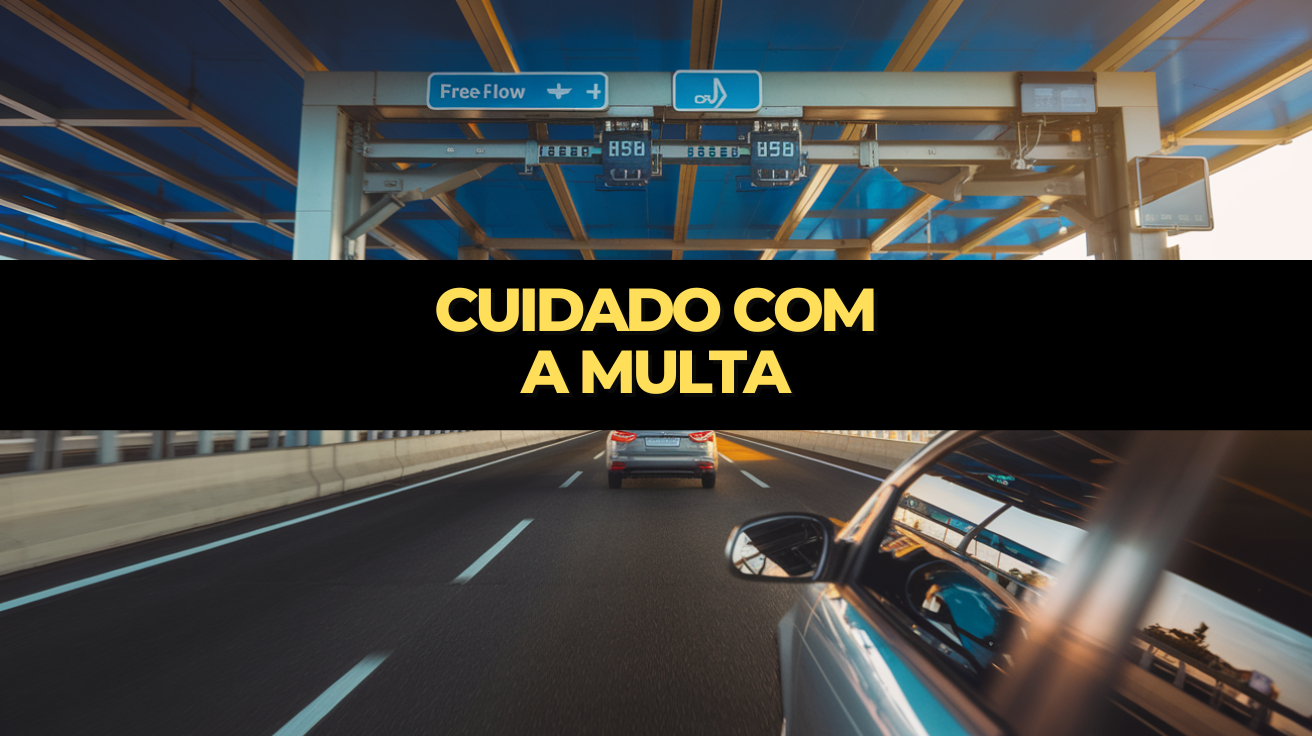


Toll Without Barriers Has Arrived and Is Already Causing Controversy! Thousands of Drivers Have Been Fined Without Knowing, and the Lack of Information Causes Anger. The Contran Seeks Solutions, but Drivers Demand Quick Changes. Understand the Problems and the Possible Ways to Avoid New Penalties!
In recent years, Brazilian highways have been undergoing significant changes to improve traffic flow and reduce congestion.
Among these innovations is the toll system without barriers, known as free flow.
Although this technology promises to modernize billing and avoid unnecessary stops, many drivers are facing unexpected difficulties.
-
Brazil’s 2026 Tax Refund: Record 9.58 Million Filers in Largest Payout Ever, But a Key Detail on Priority Recipients Draws Nationwide Attention

-
Itaú Alters Hybrid Work Model, Increasing Office Days from 2028, Prompting Employees to Adjust to New Routine
-
2027 Toyota Corolla Cross Unveiled: New Design, Enhanced Fuel Efficiency, Reduced Maintenance Costs, Advanced Technology, Connected Services, and Up to 10-Year Warranty

-
Facing Labor Shortage, Japan Plans to Invest $34 Million to Attract Foreign Workers in Construction, Healthcare, Industry, and Commerce




From the lack of clear information to improper charges, the implementation has generated a series of questions and concerns.
According to the National Land Transport Agency (ANTT), over 660,000 violations were recorded in 2024 alone due to electronic toll evasion.
As a result, the system that was meant to make drivers’ lives easier has become a source of unexpected fines.
To try to minimize these problems, the National Traffic Council (Contran) published Resolution 1.013/2024, bringing new guidelines for the billing and inspection of free flow.
Still, many drivers claim that the lack of adequate communication has made it difficult to adapt to the new model.
How Does the Toll Without Barriers Work?
The free flow operates without the need to stop the vehicle, using high-precision cameras and recognition software to identify cars passing through toll points.
States such as São Paulo and Rio de Janeiro have already adopted the technology on some highways, and the trend is for the system to expand to other parts of the country.
Billing can be done through electronic devices, such as automatic payment tags (e.g., Sem Parar and Veloe) or via online registration on the websites of the responsible concessionaires for the section.
However, those who do not have these devices face difficulties in making payments, as they often need to access different platforms depending on the highway used.
Surprising Difficulties and Fines
With the implementation of the system, several drivers have reported unexpected charges, claiming they did not receive notifications about the debts and only found out about the fines later.
The lack of clarity in signaling and the payment process has been one of the main criticisms of free flow.
According to ANTT, over 660,000 violations were recorded in Brazil in 2024 by drivers who did not make the payment correctly.
Many drivers argue that they were unaware of the requirement for prior registration or that they were not informed about the deadlines to regularize the billing.
To try to solve this problem, Contran implemented new rules through Resolution 1.013/2024, which provides for the integration of toll billing into the Digital Traffic Wallet (CDT).
With this change, drivers will be able to view their passes through tolls and the amounts to be paid directly in the CDT app, avoiding unpleasant surprises.
Solutions and the Future of the System
In addition to the integration with the CDT, experts suggest the creation of physical locations where drivers can make payments, expanding options for settling the fees.
Another proposal under discussion is the use of Radio Frequency Identification (RFID) chips on vehicle plates to ensure greater accuracy in data reading.
The use of RFID technology, however, raises concerns about security and privacy, as improper handling of the plates could lead to fraud within the system.
Despite the challenges, the idea is that these solutions will make the toll more efficient, reducing the bottlenecks currently affecting Brazilian drivers.
The debate over the definitive adoption of free flow continues, and with the necessary adjustments, the expectation is that the model will bring benefits to both drivers and concessionaires.
The goal is to create a fair, transparent, and efficient system, ensuring appropriate billing and avoiding undue penalties.
For experts, the modernization of Brazilian highways is a necessity, and free flow presents itself as a promising solution to reduce congestion and improve mobility.
However, issues such as lack of communication, payment difficulties, and unexpected fines need to be resolved for the system to be well received by the population.
In any case, with the implementation of new technologies and improvements in communication, it is hoped that the toll without barriers will fulfill its promise of making journeys faster and safer, without detriment to drivers.








